

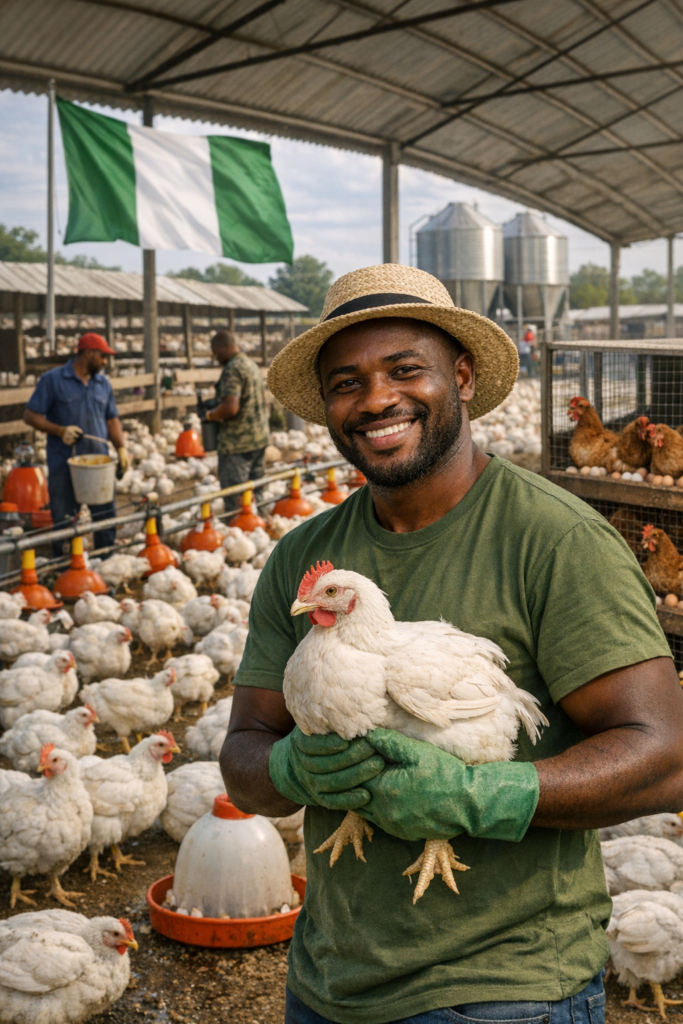

Poultry farming in Nigeria has long been recognized as one of the most reliable agribusiness ventures in the country. With a rapidly growing population estimated at over 220 million people, the demand for protein sources like chicken and eggs continues to rise. This makes poultry farming in Nigeria a major contributor to food security and a strong contender for anyone searching for a profitable business in Nigeria. But with increasing costs of feed, inflation, and economic uncertainties, many people are now asking: is poultry farming still profitable in 2026?
According to agricultural reports, Nigeria consumes millions of metric tons of poultry products annually, yet local production still struggles to meet demand. This supply gap creates a consistent market opportunity for both small-scale and large-scale farmers. From backyard poultry farming in Nigeria to modern poultry farm setups, the industry continues to attract investors, entrepreneurs, and even young graduates looking for sustainable income sources.
However, profitability is no longer automatic. Rising feed prices, disease outbreaks, and poor farm management have caused many poultry businesses to fail. This means that while the industry remains promising, success now depends heavily on knowledge, planning, and efficient execution. In this comprehensive guide, we will explore everything you need to know from startup costs and profitability to challenges and expert tips so you can determine whether poultry farming is still one of the most profitable business ideas in Nigeria today.
What Is Poultry Farming in Nigeria?
Before diving into profitability, it’s important to understand what poultry farming entails. Many beginners assume it simply involves raising chickens, but the business is broader and more structured.
Poultry farming refers to the rearing of domesticated birds such as chickens, turkeys, ducks, and guinea fowls for the purpose of producing meat (broilers) or eggs (layers). In Nigeria, chicken farming dominates the industry due to its high demand and relatively faster return on investment.
There are different types of poultry farming in Nigeria, including:
- Broiler poultry farming (for meat production)
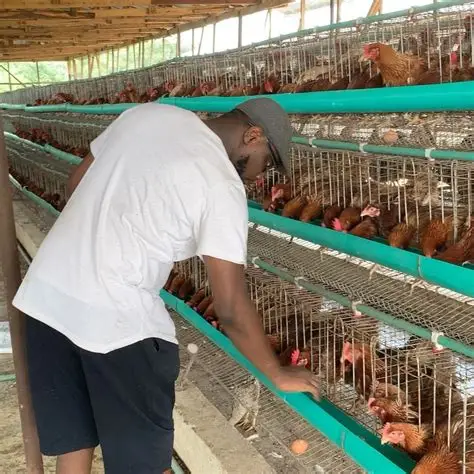
- Layers poultry farming (for egg production)
- Turkey poultry farming
- Local or free-range poultry farming
- Organic poultry farming
Each type has its own cost structure, management requirements, and profit potential. Choosing the right system is a key step in building a poultry farming business in Nigeria that is both sustainable and profitable.
How Profitable Is Poultry Farming in Nigeria?
The big question, how profitable is poultry farming in Nigeria? The answer is: it can be highly profitable, but only when managed properly.
Poultry farming remains one of the best profitable businesses in Nigeria because of:
- High demand for eggs and chicken
- Fast production cycles (especially broilers)
- Multiple income streams (eggs, meat, manure)
- Scalability from small to large operations
For example, a small-scale poultry farmer with 500 broiler birds can make a profit within 6–8 weeks if costs are controlled effectively. Similarly, layers can produce eggs daily for up to 12–18 months, providing consistent income.
However, profitability is influenced by several factors:
- Cost of feed (which accounts for up to 70% of expenses)
- Disease management
- Market access
- Farm management practices
When these factors are handled correctly, poultry farming can easily become a business with high profit in Nigeria.
Cost of Starting a Poultry Farm in Nigeria
Understanding the cost of starting a poultry farm in Nigeria is essential before investing. Poultry farming is not a zero-capital business, but it can be started small and expanded gradually.
Housing (Poultry Pen Construction)
The cost of building a poultry farm in Nigeria depends on size and materials. A small pen for 100–500 birds may cost between:
- ₦200,000 – ₦800,000
Chicks Purchase
- Broiler chicks: ₦700 – ₦1,200 each
- Layer chicks: ₦800 – ₦1,500 each
Feeding Costs
Feed is the largest expense. Feeding 100 birds for a full cycle can cost:
- ₦150,000 – ₦300,000
Equipment
You’ll need basic poultry farming equipment in Nigeria, such as:
- Feeders
- Drinkers
- Brooders
- Lighting systems
Estimated cost: ₦50,000 – ₦200,000
Medication and Vaccination
Health management is critical and may cost:
- ₦20,000 – ₦100,000
Overall, the cost of setting up a poultry farm in Nigeria can range from ₦300,000 for small-scale operations to several millions for large farms.
How to Start a Poultry Farm in Nigeria
Starting a successful poultry farm in Nigeria goes beyond buying chicks and feeding them. It requires careful planning, proper knowledge, and disciplined execution. Many beginners jump into the business without preparation and end up facing losses due to avoidable mistakes. If you want to build a sustainable and profitable poultry farming business in Nigeria, you need to follow a structured approach from the very beginning.
Below is a more detailed, step-by-step guide to help you start and grow your poultry farm successfully.
Conduct a Feasibility Study
Before investing your money, it is important to carry out a proper feasibility study on poultry farming in Nigeria. This step helps you understand whether the business is viable in your chosen location and how to position yourself for profit.
A good feasibility study should cover:
- Market demand: Identify who will buy your eggs or chicken (individuals, restaurants, hotels, markets)
- Competition: Study other poultry farms around you and how they operate
- Cost analysis: Estimate startup and running costs such as feed, medication, and labor
- Risk factors: Consider challenges like disease outbreaks, feed price fluctuations, and market instability
This step helps you avoid costly mistakes and gives you a clear direction before you begin.
Create a Business Plan
A well-structured business plan for poultry farming in Nigeria is essential for success. It acts as a roadmap that guides your decisions and helps you stay organized. It is also important if you plan to seek funding or partnerships.
Your business plan should include:
- Startup costs: Cost of land, housing, chicks, feed, and equipment
- Production plan: Whether you are focusing on broilers, layers, or both
- Feeding schedule: Types of feed and feeding frequency
- Marketing strategy: How you will sell your products and reach customers
- Profit projections: Expected revenue and timeline for breaking even
Having a clear plan increases your chances of running a successful and organized poultry business.
Choose the Right Location
Location plays a major role in the success of your poultry farm. A poor location can lead to disease spread, low productivity, and even conflicts with neighbors.
When selecting a site, ensure it is:
- Accessible: Easy for transportation of feed, birds, and customers
- Away from residential areas: To avoid complaints about odor and noise
- Well-ventilated: Good airflow helps reduce heat stress and disease
- Dry and elevated: Prevents flooding and keeps the environment hygienic
- Close to your market: Reduces transportation costs and stress on birds
Choosing the right location sets the foundation for a healthy and productive poultry farm.
Build a Standard Poultry House
Your poultry housing system directly affects the health and productivity of your birds. Poor housing can lead to high mortality rates and low output.
When building your poultry house, consider the following:
- Proper ventilation: Allows fresh air to circulate and reduces heat
- Adequate spacing: Avoid overcrowding, as it can lead to disease spread
- Strong roofing: Protects birds from rain and excessive sunlight
- Easy cleaning system: Helps maintain hygiene
- Good lighting: Essential for growth and egg production (especially for layers)
You can choose between deep litter systems or battery cages depending on your budget and production goals.
Buy Healthy Chicks from Reliable Sources
The quality of your chicks determines the success of your farm. Starting with unhealthy birds will lead to high mortality rates and financial losses.
When purchasing chicks:
- Buy from reputable hatcheries with good track records
- Ensure chicks are vaccinated and active
- Avoid weak or sick-looking birds
- Transport them carefully to reduce stress
Investing in quality chicks is one of the smartest decisions you can make in poultry farming.
Provide Proper Feeding and Nutrition
Feeding is the most critical aspect of poultry farming, accounting for the largest portion of your expenses. Poor feeding leads to slow growth, low egg production, and poor profits.
To ensure proper feeding:
- Use high-quality commercial feed appropriate for each growth stage (starter, grower, finisher, or layer feed)
- Maintain a consistent feeding schedule
- Provide clean, fresh water at all times
- Avoid sudden changes in feed to prevent stress
Good nutrition directly translates to faster growth, better egg production, and higher profits.
Implement Proper Health Management
Disease is one of the biggest threats to poultry farming in Nigeria. Without proper health management, you can lose your entire flock within days.
Key health practices include:
- Regular vaccination against common diseases
- Maintaining strict hygiene in the poultry house
- Limiting visitors to reduce contamination
- Isolating sick birds immediately
- Consulting a veterinarian when necessary
Preventive care is always cheaper and more effective than treatment.
Hire or Train Skilled Labor
If you plan to run a medium or large-scale poultry farm, you may need workers. Even for small-scale farming, having basic knowledge is essential.
You should:
- Train yourself through workshops or online resources
- Hire experienced workers if necessary
- Supervise daily operations closely
Proper management ensures your farm runs efficiently and reduces costly mistakes.
Develop a Strong Marketing Strategy
Producing eggs or chicken is only half the job, you also need to sell them profitably. Without a good market, your products may go to waste.
Effective marketing strategies include:
- Selling directly to consumers for higher profit
- Partnering with restaurants, hotels, and retailers
- Supplying to local markets and distributors
- Using social media to promote your farm
A strong market plan ensures steady income and business growth.
Start Small and Scale Gradually
One of the biggest mistakes beginners make is starting too big without experience. This often leads to losses.
It is better to:
- Start with a small number of birds (e.g., 50–200)
- Learn the business gradually
- Expand as you gain confidence and experience
Scaling gradually reduces risk and allows you to build a strong foundation.
Types of Poultry Farming in Nigeria
Understanding the different types of poultry farming will help you choose the best option for your goals and budget.
Broiler Poultry Farming
This focuses on raising chickens for meat. It is ideal for quick returns, as birds mature within 6–8 weeks.
Layers Poultry Farming
Layers are raised for egg production. This provides steady income over a longer period.
Backyard Poultry Farming
This is a small-scale system often practiced in homes. It requires low capital and is suitable for beginners.
Organic Poultry Farming
This involves raising birds without synthetic chemicals. It is gaining popularity due to health-conscious consumers.
Each system offers unique opportunities within the broader poultry farming business in Nigeria.
Importance of Poultry Farming in Nigeria
Poultry farming plays a vital role in Nigeria’s economy and food system.
It contributes to:
- Food security
- Job creation
- Income generation
- Agricultural development
The economic importance of poultry farming in Nigeria cannot be overstated, as it supports millions of livelihoods across the country.
Challenges of Poultry Farming in Nigeria
Despite its profitability, poultry farming comes with several challenges. Understanding these risks will help you prepare better.
High Cost of Feed
Feed prices continue to rise, reducing profit margins.
Disease Outbreaks
Diseases like Newcastle disease can wipe out entire flocks if not managed properly.
Poor Management
Lack of knowledge leads to high mortality rates and losses.
Market Fluctuations
Prices of eggs and chicken can fluctuate, affecting income.
Access to Finance
Many farmers struggle to secure funding for expansion.
These problems of poultry farming in Nigeria highlight the need for proper planning and risk management.
Tips to Make Poultry Farming More Profitable in Nigeria
To succeed in poultry farming, you need to go beyond basic knowledge and apply smart strategies. Profitability depends on efficiency, cost control, and market awareness.
Start Small and Scale Gradually
Begin with a manageable number of birds and expand as you gain experience. This reduces risk and helps you learn the business.
Use High-Quality Feed
Although expensive, quality feed improves growth rate and productivity, leading to better returns.
Practice Proper Biosecurity
Prevent diseases by maintaining hygiene, restricting farm access, and vaccinating regularly.
Keep Accurate Records
Track expenses, mortality rates, and sales to evaluate performance and make informed decisions.
Target the Right Market
Sell directly to consumers, hotels, and retailers to maximize profit.
Diversify Your Income
Earn additional income from:
- Poultry manure
- Processed chicken
- Egg distribution
Invest in Training
Continuous learning improves your skills and reduces costly mistakes.
Applying these strategies can turn poultry farming into one of the most profitable business ideas in Nigeria.
Examples of Successful Poultry Farms in Nigeria
Nigeria has several well-known poultry farms that demonstrate the industry’s potential.
Some of the top poultry farms in Nigeria include:
- Obasanjo Farms Nigeria
- Ajanla Farms
- Zartech Limited
These farms operate on a large scale and serve as inspiration for aspiring poultry entrepreneurs.
Frequently Asked Questions (FAQ)
1. Is poultry farming profitable in Nigeria in 2026?
Yes, it remains profitable if managed properly with good feeding and disease control.
2. How much does it cost to start poultry farming in Nigeria?
It can cost from ₦300,000 for small-scale farming to millions for large farms.
3. Which poultry farming is most profitable?
Broiler farming offers quick returns, while layers provide steady income over time.
4. How long does it take to make profit?
Broilers yield profit in 6–8 weeks, while layers start producing eggs after 18–20 weeks.
5. What are the major challenges?
High feed cost, diseases, and poor management are the main challenges.
6. Can I start poultry farming at home?
Yes, backyard poultry farming in Nigeria is ideal for beginners.
7. What is the best feed for poultry?
High-quality commercial feed is recommended for better growth and productivity.
8. Do I need training before starting?
Yes, training reduces mistakes and improves success rates.
9. Is poultry farming better than other businesses?
It is one of the best profitable businesses in Nigeria, but success depends on management.
10. Can poultry farming be done full-time?
Yes, it can become a full-time and highly profitable business.
Conclusion
Poultry farming in Nigeria remains one of the most viable agribusiness opportunities in 2026. Despite rising costs and operational challenges, the demand for poultry products continues to grow, creating a strong market for farmers. Whether you are considering small scale poultry farming in Nigeria or planning to build a large commercial farm, the opportunity is still very much alive.
However, profitability is no longer guaranteed by simply starting a farm. Success now depends on proper planning, efficient management, and continuous learning. Farmers who understand cost control, disease prevention, and market dynamics are the ones who thrive in today’s competitive environment.
In the end, poultry farming can still be a profitable business in Nigeria, but only for those willing to approach it with strategy and commitment. If done right, it can provide steady income, create jobs, and even grow into a large-scale agribusiness that contributes to Nigeria’s food security and economic growth.