
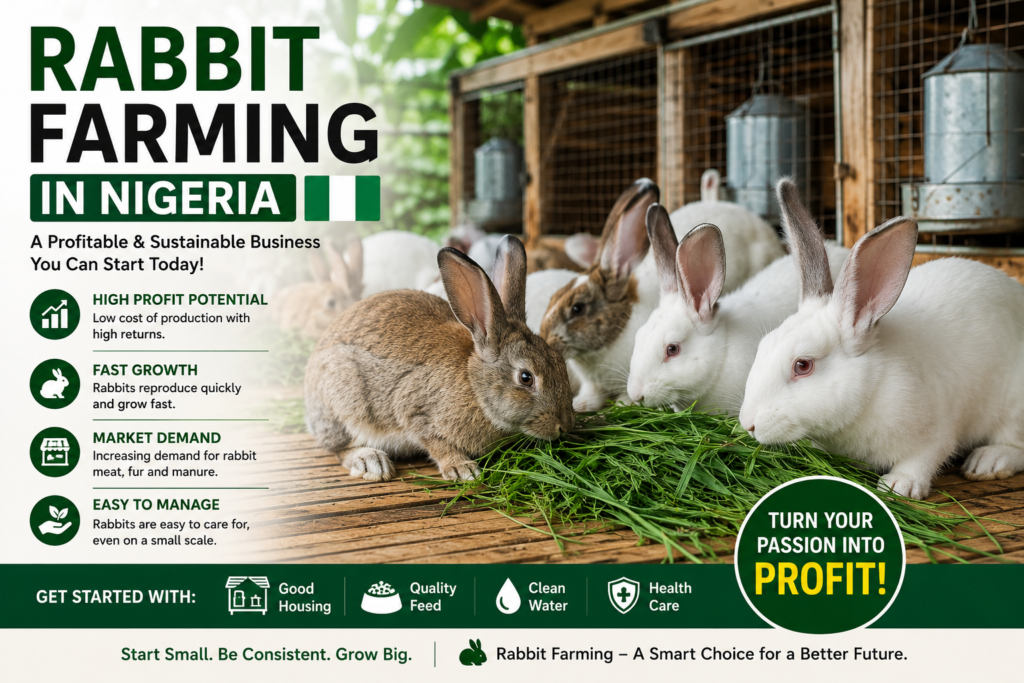

Rabbit farming in Nigeria is gradually gaining attention as one of the most promising agribusiness opportunities for both beginners and experienced farmers. As the demand for affordable and healthy protein continues to rise, many Nigerians are exploring alternative livestock options beyond poultry and fish farming. Rabbit farming stands out because of its low startup cost, high reproduction rate, and growing market acceptance.
Nigeria currently faces a significant protein supply gap due to rapid population growth and urbanization. Reports indicate that over 55% of Nigerians now live in urban areas, increasing demand for accessible and nutritious food sources . Rabbit meat, known for being low in fat and high in protein, is becoming increasingly popular among health-conscious consumers. This shift in dietary preference has created a strong opportunity for entrepreneurs interested in rabbit farming in Nigeria.
In addition, rabbits are highly efficient animals for meat production. A single female rabbit can produce over 30 offspring per year under proper management . Combined with their fast growth rate and relatively low feeding cost, this makes rabbit farming one of the most scalable and profitable small-scale livestock businesses in Nigeria today.
If you are wondering how to start rabbit farming in Nigeria, how much it costs, and whether it is truly profitable, this comprehensive guide will walk you through everything you need to know.
What is Rabbit Farming?
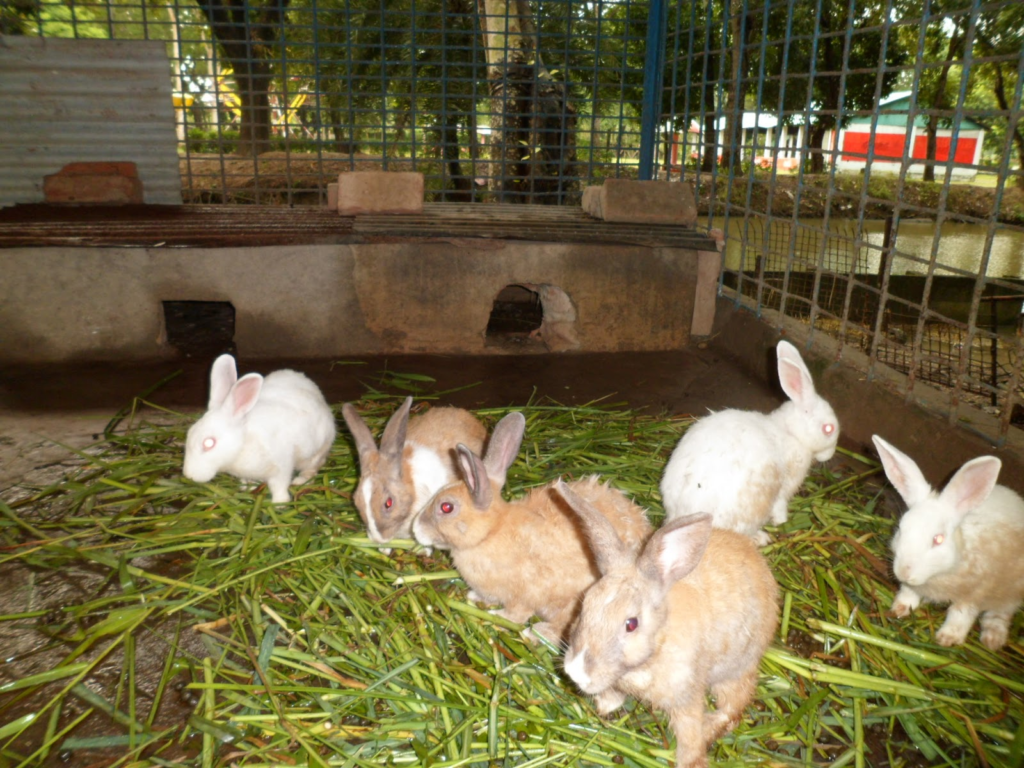
Rabbit farming, also known as cuniculture, involves the breeding and raising of rabbits for meat, fur, manure, or sale as breeding stock. In Nigeria, it is commonly practiced on a small to medium scale, although commercial rabbit farming is becoming more popular.
Before diving into the business, it is important to understand why rabbits are considered an ideal livestock option.
Key Features of Rabbit Farming
Rabbits are unique compared to other livestock, and these features contribute to their profitability:
- They require little space and can be raised in backyards
- They reproduce quickly and consistently
- They grow to market size within 2–4 months
- They consume relatively low-cost feed like grasses and kitchen waste
- They are easy to manage, even for beginners
These characteristics make rabbit farming in Nigeria an excellent option for students, small-scale farmers, and entrepreneurs with limited capital.
Is Rabbit Farming Profitable in Nigeria?
Before starting any business, profitability is the most important question. The truth is that rabbit farming can be very profitable, but only when managed properly.
Rabbit farming in Nigeria benefits from multiple income streams, including meat sales, breeding stock, manure, and even fur. With proper planning, farmers can achieve high returns on investment within a short period.
Why Rabbit Farming is Profitable
Several factors contribute to the profitability of rabbit farming:
- High Reproduction Rate: Rabbits reproduce quickly, increasing stock rapidly
- Low Feeding Cost: They can feed on grasses and farm by-products
- Fast Growth: Rabbits reach market weight in a few months
- High Market Demand: Rabbit meat is increasingly popular in urban areas
- Multiple Revenue Streams: Meat, fur, urine, and manure
For example, a farmer can spend around ₦1,500 raising a rabbit and sell it for about ₦4,000, making a profit of roughly ₦2,500 per rabbit . When multiplied across dozens or hundreds of rabbits, the income becomes substantial.
Cost of Rabbit Farming in Nigeria
Understanding the cost of rabbit farming in Nigeria is essential before starting. The total investment depends on the scale of operation.
While large commercial farms may require significant capital, beginners can start small and expand gradually.
Estimated Startup Costs
Here is a basic breakdown of what you may need:
- Housing (hutches/cages): ₦50,000 – ₦150,000
- Breeding stock (rabbits): ₦5,000 – ₦15,000 per rabbit
- Feed and water setup: ₦30,000 – ₦100,000
- Medications and care: ₦10,000 – ₦30,000
- Miscellaneous expenses: ₦20,000+
A small-scale farm can be started with approximately ₦200,000 – ₦300,000, while larger operations may require up to ₦700,000 or more.
The good news is that rabbit farming allows you to start small and scale over time, reducing financial risk.
How to Start Rabbit Farming in Nigeria
Starting a rabbit farming business in Nigeria requires careful planning and execution. Jumping in without proper knowledge often leads to losses.
Below are the essential steps to follow.
1. Conduct a Feasibility Study
Before starting, research your local market:
- Who are your potential buyers?
- What is the demand in your area?
- What prices do rabbits sell for?
A feasibility study helps you avoid costly mistakes and identify opportunities.
2. Create a Rabbit Farming Business Plan
A well-structured rabbit farming business plan in Nigeria should include:
- Startup costs
- Feeding plan
- Breeding strategy
- Marketing approach
- Profit projections
This is especially important if you want to access funding or loans.
3. Choose a Suitable Location
Rabbits need a clean, well-ventilated, and quiet environment. Your farm can be located:
- In your backyard
- On a small piece of land
- In a semi-urban or rural area
Avoid noisy or overcrowded environments that can stress the animals.
4. Build Proper Housing
Rabbit housing is critical for survival and productivity. Hutches should:
- Be well-ventilated
- Protect against predators
- Be easy to clean
- Keep rabbits dry
Proper housing reduces disease and improves growth.
5. Purchase Healthy Breeding Stock
Start with quality breeds from trusted farmers. A common beginner setup includes:
- 1 male (buck)
- 3–5 females (does)
Healthy breeding stock determines your long-term success.
6. Feeding and Nutrition
Rabbits feed on:
- Grass and forage
- Vegetables
- Commercial feed (optional)
Balanced feeding improves growth and reproduction rates.
7. Health Management
Rabbits are generally hardy but can suffer from diseases like:
- Coccidiosis
- Mange
- Respiratory infections
Regular cleaning and proper care reduce disease risks.
Commercial Rabbit Farming in Nigeria
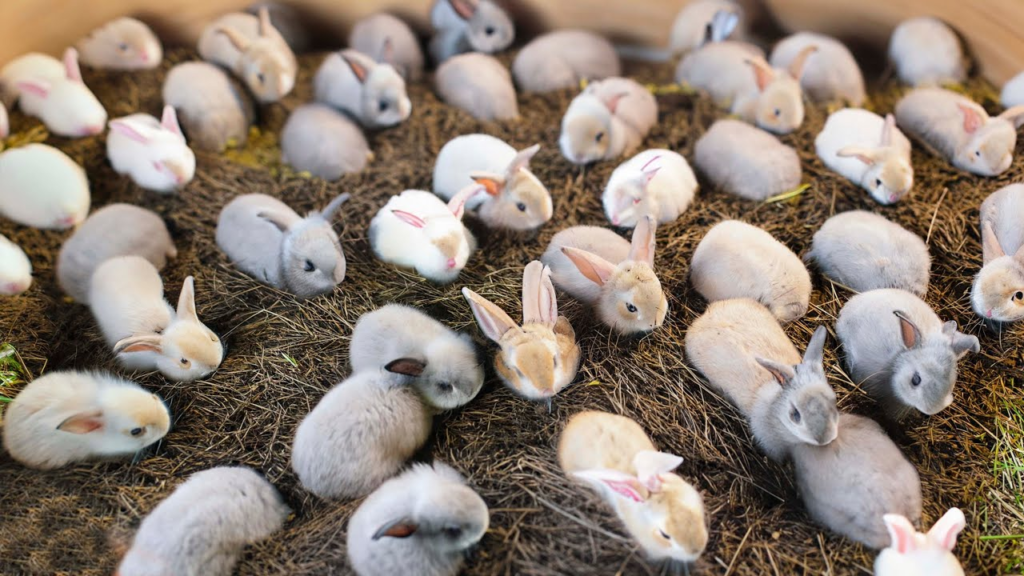
Commercial rabbit farming in Nigeria involves raising rabbits on a larger scale for consistent income.
Unlike small-scale farming, commercial operations require more structure and investment.
Features of Commercial Rabbit Farming
- Large number of rabbits
- Structured breeding program
- Dedicated housing system
- Regular supply to markets and restaurants
- Professional management
With proper planning, commercial rabbit farming can generate steady income throughout the year.
How to Make Money in Rabbit Farming in Nigeria
Rabbit farming in Nigeria is not limited to selling meat alone, smart farmers understand that the real profitability comes from tapping into multiple income streams. By diversifying your revenue sources, you reduce financial risk and create consistent cash flow throughout the year. Whether you are running a small backyard setup or a commercial rabbit farm, knowing how to monetize every aspect of your operation is key to long-term success.
Beyond basic production, rabbit farming can evolve into a full agribusiness model that includes value addition, training, and supply chains. This is especially important in Nigeria, where agricultural entrepreneurs who innovate tend to earn significantly more than those who rely on a single income stream.
Major Income Sources
Before choosing your business model, it’s important to understand the different ways you can generate income from rabbit farming. Each stream has its own market, profitability level, and scalability potential.
- Meat Production: This is the primary and most reliable source of income. Rabbit meat is lean, nutritious, and increasingly popular among health-conscious consumers, restaurants, and supermarkets. You can sell fresh, frozen, or processed rabbit meat at premium prices, especially in urban areas.
- Breeding Stock Sales: Selling young, healthy rabbits to new or expanding farmers is highly profitable. Many beginners prefer to buy from trusted breeders, meaning you can position yourself as a supplier of high-quality breeds and earn more than meat sales alone.
- Rabbit Manure: Rabbit droppings are one of the best organic fertilizers because they are rich in nutrients and can be used directly without composting. Crop farmers, especially those practicing organic farming, are willing to pay for high-quality manure.
- Rabbit Urine: Though often overlooked, rabbit urine is in demand as an organic pesticide and liquid fertilizer. It can be packaged and sold to crop farmers, creating an additional revenue stream from waste products.
- Fur and Skin: Rabbit fur can be used in making clothing, accessories, and crafts. While this market is still developing in Nigeria, it presents an opportunity for farmers willing to explore value-added products.
In addition to these, you can also earn through:
- Training aspiring farmers
- Selling processed products (smoked or packaged meat)
- Partnering with restaurants and hotels
- Supplying rabbits for research or pet markets
Diversifying your income sources ensures consistent earnings even when one market slows down, making your rabbit farming business more resilient and sustainable.
Challenges of Rabbit Farming in Nigeria
While rabbit farming is profitable, it is not without its challenges. Many beginners enter the business with high expectations but fail due to poor planning and lack of awareness of potential risks. Understanding these challenges ahead of time allows you to prepare adequately and avoid costly mistakes.
Rabbit farming requires attention to detail, proper hygiene, and consistent management. Even small lapses in care can lead to significant losses, especially when dealing with large numbers of animals.
Common Challenges
Here are some of the major challenges rabbit farmers face in Nigeria:
- Disease Outbreaks: Rabbits are susceptible to diseases like coccidiosis, mange, and respiratory infections. Without proper hygiene and timely treatment, these diseases can spread quickly and wipe out a large portion of your stock.
- Poor Feeding Practices: Inadequate or unbalanced feeding can lead to slow growth, low reproduction rates, and even death. Many farmers underestimate the importance of proper nutrition, which directly affects profitability.
- Lack of Market Access: Some farmers struggle to find consistent buyers for their rabbits. Without a clear marketing strategy, you may end up with mature rabbits and no immediate sales.
- Predators and Pests: Rats, snakes, dogs, and even ants can attack rabbits, especially in poorly constructed housing. Protecting your farm from these threats is essential.
- High Mortality Rates: Poor management practices can lead to high mortality rates, sometimes as high as 30–40%. This significantly reduces profit and can discourage new farmers.
To overcome these challenges, farmers should invest in proper housing, maintain strict hygiene, provide balanced feeding, and develop strong market connections. Preparation and knowledge are the keys to minimizing risks and running a successful operation.
Rabbit Farming Training in Nigeria
Before starting your rabbit farming journey, gaining the right knowledge can make a huge difference between success and failure. Many of the most successful rabbit farmers in Nigeria started by learning from experienced professionals or attending structured training programs.
Training equips you with practical skills, industry insights, and confidence to manage your farm effectively. It also helps you avoid common beginner mistakes that can lead to unnecessary losses.
Benefits of Training
Here’s why rabbit farming training in Nigeria is highly recommended:
- Learn Best Practices: Training exposes you to proven methods of breeding, feeding, housing, and overall farm management.
- Avoid Costly Mistakes: Many beginners lose money due to avoidable errors. Training helps you identify and prevent these issues early.
- Understand Disease Control: You will learn how to recognize symptoms, prevent outbreaks, and treat common rabbit diseases effectively.
- Gain Access to Markets: Training programs often connect you with buyers, suppliers, and other farmers, giving you a strong network in the industry.
Additionally, training can help you:
- Build confidence to start and scale your business
- Learn record-keeping and financial management
- Discover new income opportunities within the industry
You can find rabbit farming training in Nigeria through agricultural institutes, private farms, extension programs, and even online courses. Investing in knowledge at the beginning will save you time, money, and stress in the long run.
Frequently Asked Questions (FAQ)
1. Is rabbit farming profitable in Nigeria?
Yes, rabbit farming is profitable due to low costs and high reproduction rates. Profitability depends on proper management and market access.
2. How much does it cost to start rabbit farming in Nigeria?
You can start small with about ₦200,000 to ₦300,000. Larger commercial farms require more capital.
3. How many rabbits should a beginner start with?
A beginner can start with 1 male and 3–5 females. This allows manageable growth and learning.
4. How long does it take rabbits to grow?
Rabbits reach market size in about 2–4 months. This allows quick turnover and profit.
5. What do rabbits eat?
They eat grasses, vegetables, and formulated feed. Proper nutrition is key to growth and health.
6. Where can I sell my rabbits?
You can sell to individuals, restaurants, markets, and other farmers. Social media is also a good marketing channel.
7. Is rabbit meat in demand in Nigeria?
Yes, demand is growing, especially in urban areas. Health-conscious consumers prefer it due to low fat content.
8. Can rabbit farming be done in a backyard?
Yes, rabbits require little space and can be raised in backyards. Proper housing and hygiene are essential.
9. What are the common diseases in rabbits?
Common diseases include coccidiosis and mange. Proper hygiene and care reduce risks.
10. Do I need training before starting?
Training is not compulsory but highly recommended. It helps you avoid mistakes and improve profitability.
Conclusion
Rabbit farming in Nigeria is more than just a small agricultural venture, it is a growing business opportunity with the potential to generate consistent income. With rising demand for healthy protein and increasing urbanization, the market for rabbit products is expanding rapidly. This makes it an ideal time for entrepreneurs to enter the industry.
However, success in rabbit farming is not automatic. It requires proper planning, knowledge, and dedication. From understanding the cost of rabbit farming in Nigeria to creating a solid business plan, every step plays a crucial role in determining your profitability. Those who invest time in learning and proper management are more likely to succeed.
If you are looking for a low-cost, high-return agribusiness, rabbit farming is a smart choice. Start small, learn the process, and scale gradually. With consistency and the right strategy, you can build a profitable and sustainable rabbit farming business in Nigeria.