

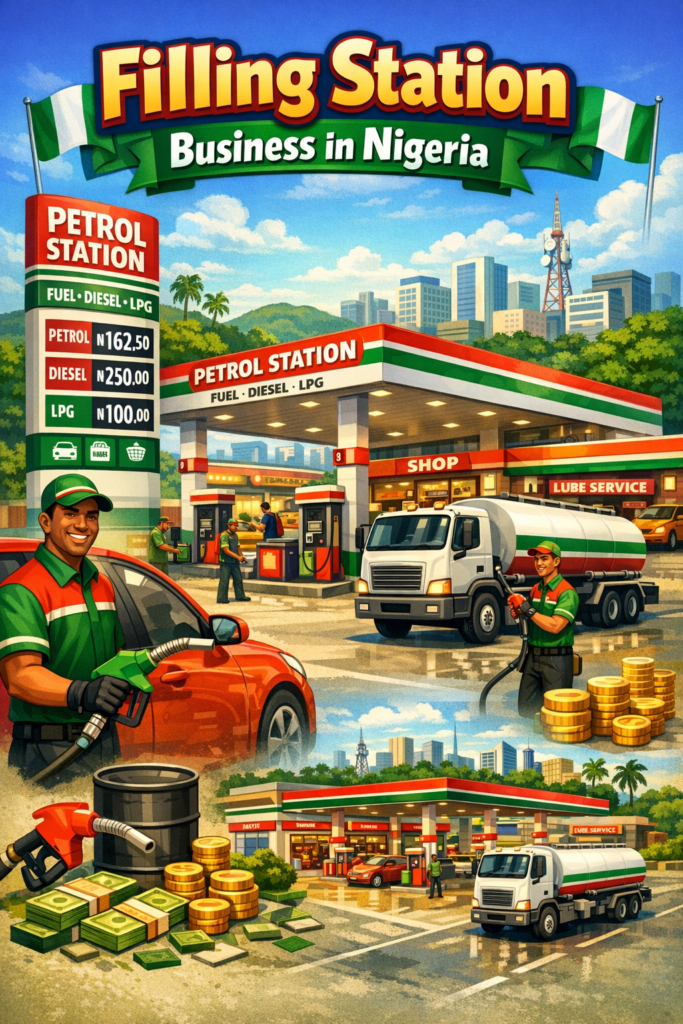

The oil and gas sector remains one of the most powerful drivers of Nigeria’s economy, and within it, the filling station business stands out as a highly attractive venture. For many investors searching for a profitable business in Nigeria, owning a filling station is often seen as a symbol of financial stability and long-term wealth. With millions of Nigerians relying daily on petrol, diesel, and kerosene for transportation and power generation, the demand for fuel is constant and widespread.
Nigeria consumes billions of liters of petroleum products annually, making fuel retail one of the most active and cash-generating industries in the country. From busy cities like Lagos and Abuja to smaller towns, filling stations are essential infrastructure. This consistent demand has made the business one of the most profitable business ideas in Nigeria, especially for investors with the required capital and patience.
However, despite its profitability potential, the filling station business is not for everyone. It requires significant startup capital, strict regulatory compliance, and strong operational management. Rising fuel prices, government policies, and operational risks can also affect returns. So, the key question is: how profitable is filling station business in Nigeria today? In this detailed guide, we’ll break down the costs, profit potential, and risks of F to help you decide if it’s the right investment for you.
What Is a Filling Station Business?
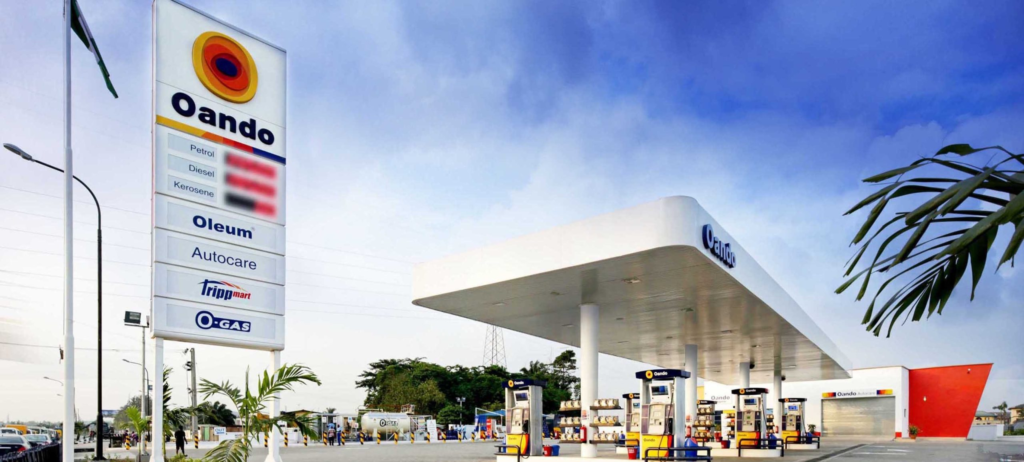
Before diving into profitability, it’s important to understand what the filling station business involves. Many people assume it’s simply about selling fuel, but it’s actually a structured retail operation within the downstream petroleum sector.
A filling station (also known as a petrol station) is a facility where petroleum products such as:
- Petrol (PMS)
- Diesel (AGO)
- Kerosene (DPK)
are stored and sold to consumers.
Modern filling stations may also include additional services like:
- Mini marts or convenience stores
- Car wash services
- Lubricant sales
- ATM services
These additional income streams can significantly increase profitability, making it a business with high profit in Nigeria when properly managed.
How Profitable Is Filling Station Business in Nigeria?
The big question, how profitable is filling station business in Nigeria? The answer is: it can be extremely profitable, but it depends on scale, location, and management.
Filling stations generate income through fuel sales margins. While profit per liter may seem small, the volume of daily sales makes a huge difference.
Estimated Profit Margins
- Petrol (PMS): ₦10 – ₦25 per liter
- Diesel (AGO): ₦20 – ₦40 per liter
- Kerosene (DPK): ₦10 – ₦30 per liter
If a station sells thousands of liters daily, the profit quickly adds up. For example:
- Selling 10,000 liters daily at ₦15 profit = ₦150,000 daily gross profit
Monthly, this could translate to millions of naira, making it one of the best profitable businesses in Nigeria.
However, actual profit depends on:
- Fuel supply consistency
- Operating costs
- Staff management
- Market competition
When managed efficiently, a filling station can rank among the most profitable business in Nigeria.
Cost of Starting a Filling Station Business in Nigeria
Starting a filling station requires significant capital investment. It is not a small profitable business in Nigeria, but rather a large-scale venture with high entry costs.
Land Acquisition
Location is everything. Land in high-traffic areas can cost:
- ₦5 million – ₦100 million+ depending on location
Construction and Setup
Building a standard filling station includes:
- Underground storage tanks
- Fuel dispensers (pumps)
- Canopy and office buildings
- Safety systems
Estimated cost:
- ₦30 million – ₦80 million
Licensing and Permits
You’ll need approvals from regulatory bodies such as:
- NMDPRA (Nigerian Midstream and Downstream Petroleum Regulatory Authority)
Costs may range from:
- ₦2 million – ₦10 million
Initial Fuel Stock
Stocking your station requires a large upfront investment:
- ₦10 million – ₦50 million depending on volume
Staffing and Operations
You’ll need:
- Pump attendants
- Security personnel
- Managers
Monthly operational costs can run into hundreds of thousands or millions of naira.
Overall, the total cost of starting a filling station business in Nigeria can range from:
- ₦100 million to over ₦180 million
Read also: Is Uber Business Profitable in Nigeria? What You Should Know Before Starting
Factors That Affect Profitability
Not all filling stations generate the same level of income. Several key factors determine whether your investment becomes a profitable business to start in Nigeria or one that struggles to survive. Understanding these factors helps you make better decisions and improve long-term performance.
Location
Location is the most important factor influencing sales volume and customer traffic. Filling stations in busy urban areas, highways, or transport hubs naturally attract more customers daily.
Supply Chain
A reliable and consistent fuel supply ensures that your station never runs out of stock. Frequent shortages push customers to competitors and reduce overall sales.
Pricing Strategy
Competitive pricing helps you attract more customers, especially in areas with multiple filling stations. However, pricing must still allow you to maintain a healthy profit margin.
Management Efficiency
Proper supervision of staff and operations reduces errors, theft, and wastage. Efficient management ensures that daily sales are properly recorded and business performance remains stable.
Additional Services
Adding extra services like car wash, mini-mart, or lubricant sales increases your revenue sources. These additional streams help stabilize income even during low fuel sales periods.
Advantages of Filling Station Business in Nigeria
Despite the high startup cost, the filling station business offers several strong advantages that continue to attract investors. These benefits make it one of the most profitable business ideas in Nigeria for those who can afford the investment.
High Demand
Fuel is an essential commodity used daily for transportation, electricity generation, and business operations. This ensures a steady and continuous flow of customers throughout the year.
Large Profit Potential
Although profit per liter may seem small, the high sales volume results in significant overall earnings. Over time, this makes the business highly rewarding for investors.
Multiple Income Streams
A filling station is not limited to fuel sales alone, as owners can also earn from lubricants, gas, and retail services. These additional streams significantly increase total revenue.
Long-Term Investment
With proper management and maintenance, a filling station can remain profitable for decades. It is considered a long-term asset that can generate consistent income over time.
Risks and Challenges of Filling Station Business
Like every major investment, the filling station business comes with its own risks and challenges. Being aware of these issues helps you plan better and reduce potential losses.
High Capital Requirement
The startup cost is very high, which makes it inaccessible to many small investors. This financial barrier limits entry into the business compared to other sectors.
Fuel Price Fluctuations
Changes in government pricing or global oil markets can affect profit margins significantly. This makes income less predictable at times.
Theft and Fraud
Poor staff supervision can lead to fuel theft, cash manipulation, or other financial losses. Without strong internal control systems, these risks can grow quickly.
Regulatory Compliance
Filling stations must follow strict government regulations and licensing requirements at all times. Failure to comply can lead to penalties, shutdowns, or legal issues.
Safety Risks
Fuel is highly flammable and must be handled with extreme care. Lack of proper safety measures can result in fire outbreaks or environmental hazards.
Tips to Make Filling Station Business More Profitable
To succeed in the filling station industry, you need more than just capital and fuel supply, you need smart operational strategies. Profitability in this business depends heavily on efficiency, location advantage, and strong management systems. Applying the right strategies can turn your investment into a business with high profit in Nigeria over time.
Choose a Strategic Location
Location determines how many customers you attract daily and directly impacts your revenue. High-traffic areas such as highways, busy intersections, and urban centers guarantee consistent sales and faster return on investment.
A well-located filling station also reduces the need for aggressive marketing because visibility alone drives customer flow. Poor location, on the other hand, can limit sales even if your pricing is competitive.
Maintain Accurate Records
Keeping proper records of fuel sales, stock levels, and daily income is essential for business control. Without accurate documentation, it becomes difficult to detect losses or evaluate performance.
Regular tracking helps you identify trends, prevent stock discrepancies, and make informed business decisions. It also improves accountability among staff and ensures financial transparency.
Hire Trusted Staff
Your employees play a major role in the success or failure of your filling station. Hiring trustworthy and well-trained staff reduces the risk of fuel theft, fraud, and operational mistakes.
It is also important to conduct regular supervision and performance checks to maintain discipline. A reliable team improves efficiency and ensures smooth daily operations.
Diversify Income Streams
Relying only on fuel sales can limit your profit potential, especially during low-demand periods. Adding extra services helps you increase revenue and stabilize income.
Common additional services include:
- Car wash services to attract motorists
- Mini supermarket or convenience store for everyday goods
- Lubricant and engine oil sales for vehicle maintenance
These additional streams ensure your filling station generates income even beyond fuel sales.
Ensure Constant Supply
Running out of fuel is one of the fastest ways to lose customers to competitors. A consistent and reliable fuel supply ensures customer trust and repeat business.
You should maintain strong relationships with suppliers and monitor inventory levels closely. Proper planning prevents shortages and keeps your station operating smoothly at all times.
Invest in Security
Security is critical in the filling station business due to the high risk of theft and fraud. Installing surveillance systems such as CCTV cameras helps monitor staff activities and reduce dishonest practices.
You should also employ trained security personnel to protect both assets and customers. Strong security systems not only prevent losses but also build trust in your business operations.
By applying these strategies consistently, you can significantly improve efficiency, reduce losses, and maximize profit. Over time, these practices can transform your filling station into one of the most successful and profitable businesses in Nigeria.
Filling Station vs Other Profitable Businesses in Nigeria
It’s important to compare filling stations with other opportunities before investing.
Filling Station
- High capital requirement
- High long-term profit
- Stable demand
POS Business
- Low capital
- Quick returns
- Lower risk
Poultry Farming
- Moderate capital
- Requires skill
- Profitable but riskier
While filling stations are among the best profitable businesses in Nigeria, they are best suited for investors with substantial capital and long-term vision.
Frequently Asked Questions (FAQ)
1. How profitable is filling station business in Nigeria?
It can generate millions monthly depending on location and sales volume.
2. How much does it cost to start?
Between ₦50 million and ₦150 million or more.
3. Is filling station business risky?
Yes, due to fire hazards, theft, and price fluctuations.
4. How long does it take to break even?
Typically 2–5 years depending on investment and sales.
5. Can I start with low capital?
No, it is not a small profitable business in Nigeria due to high startup costs.
6. What licenses are required?
You need approval from regulatory bodies like NMDPRA.
7. Is location important?
Yes, it is one of the most important factors for profitability.
8. Can I run it without being present?
Yes, but proper management and supervision are required.
9. What other services can I add?
Car wash, mini mart, and lubricant sales.
10. Is it a long-term investment?
Yes, it can generate income for many years.
Conclusion
The filling station business remains one of the most powerful opportunities for anyone seeking a profitable business in Nigeria. With constant demand for fuel and the potential for high daily sales, it offers a level of stability that many other businesses cannot match. However, this profitability comes at a cost; high startup capital, strict regulations, and operational risks.
Success in this business is not automatic. It requires strategic planning, efficient management, and a strong understanding of the market. Investors who choose the right location, maintain steady fuel supply, and implement proper controls are more likely to succeed. Without these, even a well-funded filling station can struggle.
Ultimately, the filling station business is a profitable business to start in Nigeria for those who have the capital and are ready to manage its complexities. If approached with the right strategy, it can grow into a long-term, high-income venture that stands the test of time.