

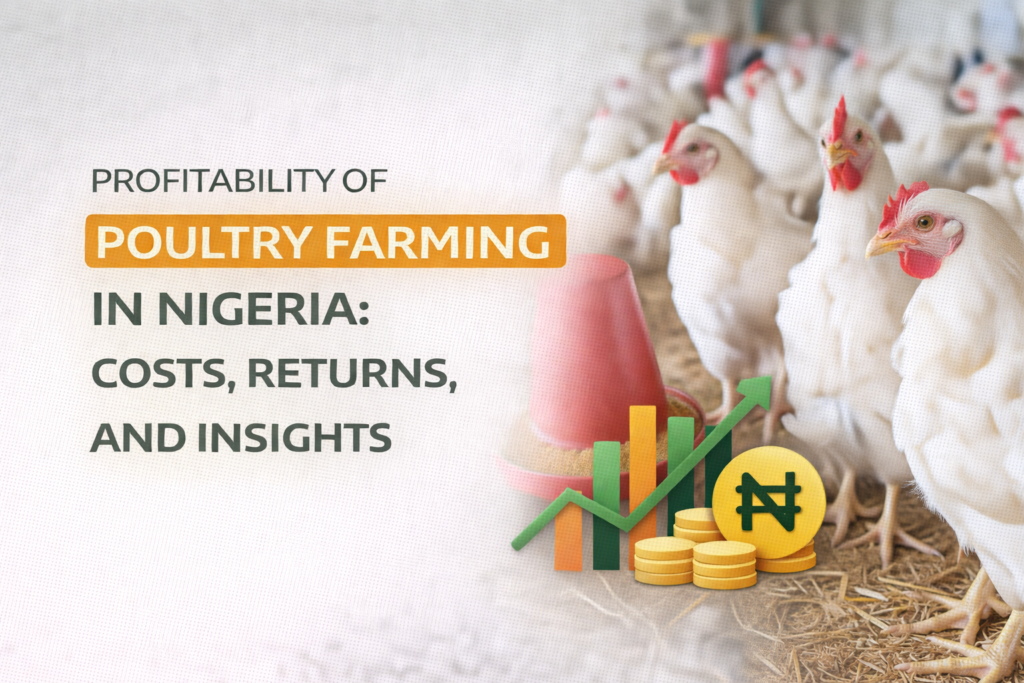

Poultry farming in Nigeria has evolved from a small backyard activity into one of the most profitable agricultural businesses in the country. As Nigeria’s population continues to grow and the demand for animal protein increases, poultry products such as eggs and chicken have become essential food items for millions of households. This rising demand has made the profitability of poultry farming in Nigeria a major topic among entrepreneurs, investors, and agricultural enthusiasts.
According to reports from the Food and Agriculture Organization (FAO), Nigeria’s poultry industry has grown rapidly and currently maintains over 180 million birds across different production systems, making it one of the largest poultry industries in Africa. The sector produces hundreds of thousands of tonnes of chicken meat and eggs annually and continues to expand due to increasing protein demand.
Beyond food production, poultry farming also plays a significant economic role. The industry provides direct and indirect employment to more than 14 million Nigerians and contributes substantially to agricultural GDP. In fact, poultry production represents about 20–25% of Nigeria’s agricultural GDP, making it one of the most commercialized agricultural sectors in the country.
These statistics explain why more people are exploring opportunities in starting a poultry farm in Nigeria, from small backyard farms to large-scale commercial operations. However, profitability depends on many factors including startup costs, management practices, equipment, feed costs, and market demand.
In this detailed guide, we explore the costs, returns, opportunities, and challenges of poultry farming in Nigeria to help you understand whether the business is truly profitable.
About Poultry Farming in Nigeria
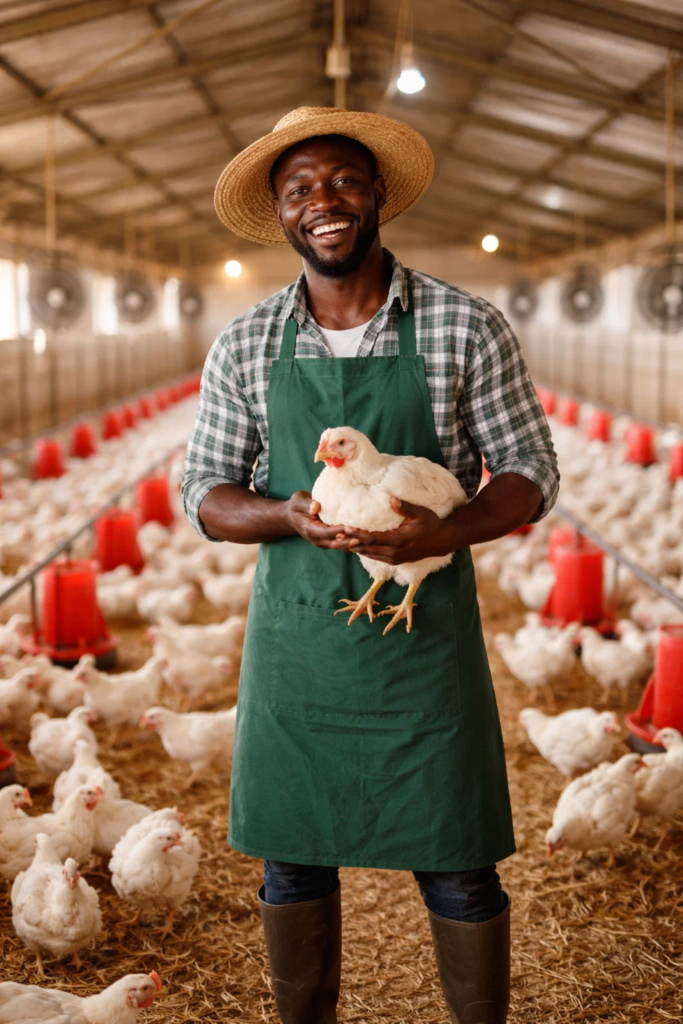
Poultry farming in Nigeria involves raising domesticated birds such as chickens, turkeys, ducks, and guinea fowls for meat and egg production. Among these birds, chickens are the most commonly farmed due to their high demand and relatively fast growth cycle.
Over the decades, the poultry sector has transitioned from traditional backyard farming to modern poultry farms in Nigeria that use advanced equipment, improved breeds, and scientific feeding systems. This modernization has significantly increased productivity and profitability for commercial farmers.
The history of poultry farming in Nigeria dates back many decades when households raised local chickens mainly for family consumption. However, commercial poultry production expanded rapidly in the late 20th century with the introduction of improved breeds such as broilers and layers.
Today, poultry farming is considered one of the fastest-growing agribusiness sectors in Nigeria due to several reasons:
- Increasing population and food demand
- High consumption of chicken and eggs
- Short production cycles compared to other livestock
- Relatively lower land requirements
- Strong market demand in urban areas
Because of these advantages, poultry farming remains one of the most attractive agricultural investments in the country.
Types of Poultry Farming in Nigeria
There are several types of poultry farming in Nigeria, and each has different profit potential depending on management and scale.
The most common poultry production systems include commercial intensive farming, semi-intensive farming, and extensive or backyard systems. Commercial farms typically generate the highest profits due to better management and higher bird capacity.
Broiler Farming
Broiler farming focuses on raising chickens specifically for meat production. Broilers grow quickly and can reach market weight within 6–8 weeks, making them ideal for quick returns.
Advantages of broiler farming include:
- Fast production cycle
- High demand for chicken meat
- Relatively quick profit turnover
- Suitable for small and large farms
However, broiler farming requires proper feeding, temperature control, and disease management to avoid losses.
Layers Poultry Farming
Layers are chickens raised primarily for egg production. A well-managed layer farm can produce eggs consistently for over a year, making it a reliable source of daily income.
Benefits of layers farming include:
- Continuous egg production
- Stable income stream
- Strong market demand for eggs
Many profitable farms combine both broiler and layer production to diversify income sources.
Cost of Starting a Poultry Farm in Nigeria
One of the biggest questions entrepreneurs ask is how much capital is required for starting a poultry farm in Nigeria. The startup cost varies depending on the size of the farm and the number of birds.
A small-scale poultry farm with 100 birds may require a relatively modest investment, while a large commercial farm with thousands of birds will require significant capital.
Major startup costs typically include:
Poultry Housing
The poultry house protects birds from weather conditions and predators. It must be well ventilated and designed to reduce stress among birds.
Costs may include:
- Poultry pen construction
- Roofing and ventilation systems
- Flooring materials
Poultry Farming Equipment in Nigeria
Proper equipment improves productivity and reduces labor. Common poultry equipment includes:
- Feeders
- Drinkers
- Brooders
- Egg trays
- Incubators
- Cage systems
These tools are essential for managing birds efficiently in both small and large farms.
Cost of Birds
Farmers usually purchase day-old chicks from reputable hatcheries. Prices vary depending on breed and demand.
Common poultry breeds include:
- Broilers
- Layers
- Noiler chickens
- Local chickens
The number of birds you start with will significantly affect your overall investment.
Profitability of Poultry Farming in Nigeria
The profitability of poultry farming in Nigeria depends on several key factors including feed cost, market demand, disease management, and farm scale.
One of the main reasons poultry farming is considered profitable is the relatively quick return on investment. For example, broilers can reach market size within two months, allowing farmers to sell birds quickly and start another production cycle.
Typical income sources in poultry farming include:
- Sale of chicken meat
- Sale of eggs
- Sale of day-old chicks
- Sale of poultry manure as fertilizer
A medium-scale poultry farm with good management practices can generate significant profits annually. However, farmers must carefully control production costs, especially feed expenses, which often account for over half of total production costs.
With the right poultry farming business plan in Nigeria, farmers can increase efficiency and maximize profit margins.
Poultry Farming Business Plan in Nigeria
Creating a detailed business plan for poultry farming in Nigeria is crucial before starting the business. A business plan helps farmers estimate costs, identify potential risks, and plan for profitability.
A typical poultry business plan should include the following sections:
Executive Summary
This section describes the business concept, mission, and goals of the poultry farm.
Market Analysis
Farmers must analyze the demand for poultry products in their target location. Eggs and chicken meat are widely consumed across Nigeria, making the market highly promising.
Operational Plan
This section explains how the poultry farm will operate daily, including:
- Feeding schedules
- Vaccination programs
- Bird management
Financial Plan
The financial plan estimates startup costs, expected revenue, and profit projections.
A good poultry farming business plan in Nigeria or feasibility study can also help farmers attract investors or obtain loans from agricultural support programs.
Poultry Farming Equipment in Nigeria
Modern poultry farming relies heavily on efficient equipment. Using the right tools can increase productivity, reduce labor costs, and improve bird health.
Important poultry farming equipment includes:
- Automatic feeders
- Watering systems
- Brooding equipment
- Egg collection trays
- Battery cages
Modern farms also use temperature control systems and automated feeding technologies to improve efficiency.
These innovations have contributed to the growth of modern poultry farms in Nigeria, allowing farmers to manage thousands of birds with minimal labor.
Major Poultry Farms in Nigeria
Nigeria has several large poultry farms that have become industry leaders due to their scale and production capacity.
Some of the top poultry farms in Nigeria include:
- Olusegun Obasanjo’s Obasanjo Farms
- Amo Farm Sieberer Hatchery
- Zartech Farms
- Chi Farms
These farms operate advanced production systems and supply millions of birds and eggs annually.
Large farms also invest in modern hatcheries, feed mills, and processing facilities, helping them dominate the poultry value chain.
Economic Importance of Poultry Farming in Nigeria
The economic importance of poultry farming in Nigeria cannot be overstated. The industry contributes significantly to food security, employment, and national income.
Key economic benefits include:
- Job creation for millions of Nigerians
- Increased supply of affordable animal protein
- Support for rural economic development
- Opportunities for youth entrepreneurship
Because poultry farming requires relatively small land areas compared to cattle farming, it is also accessible to urban and peri-urban farmers.
Furthermore, poultry products have no cultural or religious restrictions, making them widely accepted across Nigeria.
Challenges and Problems of Poultry Farming in Nigeria
Despite its profitability, poultry farming faces several challenges that farmers must overcome. These challenges can affect productivity, increase production costs, and reduce overall profits if not properly managed. Understanding these issues is important for anyone planning to start a poultry farming business in Nigeria because it helps farmers prepare effective strategies to minimize risks and maintain a successful farm operation.
High Feed Costs
Feed is the most expensive component of poultry production, often accounting for more than half of the total cost of raising birds. Rising prices of maize, soybean meal, and other feed ingredients significantly affect poultry farm profitability. When feed prices increase, farmers are forced to either reduce their flock size or increase the price of their products, which can affect sales and profit margins.
Disease Outbreaks
Disease outbreaks remain one of the biggest risks in poultry farming. Illnesses such as avian influenza, Newcastle disease, and coccidiosis can spread quickly within a flock and cause high mortality rates. Without proper vaccination programs, hygiene practices, and veterinary support, farmers may lose a large number of birds within a short period of time.
Poor Infrastructure
Poor infrastructure in many parts of Nigeria creates operational difficulties for poultry farmers. Inconsistent electricity supply makes it difficult to power incubators, lighting systems, and ventilation equipment needed in modern poultry farms. Additionally, poor road networks can make it harder for farmers to transport feed, chicks, and finished poultry products to markets.
High Cost of Poultry Equipment
Modern poultry farming requires specialized equipment such as feeders, drinkers, incubators, brooders, and battery cages. These tools improve efficiency and productivity, but they can be expensive, especially for new farmers starting on a limited budget. As a result, some farmers rely on outdated or improvised equipment that may reduce efficiency and bird health.
Limited Access to Agricultural Financing
Many small-scale poultry farmers struggle to obtain loans or financial support from banks and financial institutions. Agricultural loans often come with strict conditions, high interest rates, or collateral requirements that many farmers cannot meet. This lack of access to capital prevents farmers from expanding their farms or investing in better infrastructure and equipment.
Poor Veterinary Services in Rural Areas
Access to veterinary services is still limited in many rural communities where poultry farming is common. Farmers may struggle to find qualified veterinarians or reliable sources of vaccines and medications. Without proper veterinary support, disease outbreaks can spread quickly and cause significant losses.
Market Price Fluctuations
The prices of eggs and chicken meat often fluctuate due to seasonal demand and supply changes. For example, demand may increase during festive periods but decline during other times of the year. These unpredictable market conditions can make it difficult for farmers to plan production and maintain consistent profits.
Climate and Environmental Conditions
Extreme heat, poor ventilation, and changing weather conditions can negatively affect poultry production. High temperatures can cause heat stress in birds, reducing egg production and growth rates. Farmers must invest in proper housing and ventilation systems to protect their birds from environmental stress.
Limited Access to Modern Technology and Training
Many poultry farmers still rely on traditional farming methods instead of modern poultry management practices. Lack of training and limited access to modern technology can reduce productivity and increase the risk of disease outbreaks. Farmers who do not adopt improved breeding, feeding, and biosecurity practices may struggle to compete with more advanced farms.
Security Issues and Farm Theft
Security is another challenge affecting poultry farmers in some regions. Cases of theft of birds, feed, or farm equipment can result in significant financial losses. Without proper farm security measures such as fencing and surveillance, farmers may be vulnerable to criminal activities that threaten the sustainability of their business.
Addressing these problems of poultry farming in Nigeria requires better policies, improved infrastructure, and increased farmer education.
How to Start a Small Scale Poultry Farm in Nigeria
For beginners, starting small is often the best strategy. A small-scale poultry farm in Nigeria allows new farmers to learn the business while minimizing risks.
Steps to start include:
- Conduct market research
- Choose a suitable farm location
- Construct a poultry house
- Purchase quality day-old chicks
- Provide proper feed and vaccination
Starting with 100–500 birds can help farmers gain experience before expanding into larger commercial operations.
With proper management, even small poultry farms can become highly profitable businesses.
Conclusion
The profitability of poultry farming in Nigeria continues to attract entrepreneurs, investors, and agricultural enthusiasts across the country. With strong demand for eggs and chicken meat, the industry offers enormous opportunities for income generation and job creation. Statistics show that millions of Nigerians already depend on poultry farming as a source of livelihood, and the sector continues to grow due to increasing demand for affordable animal protein.
However, success in poultry farming requires proper planning, good management practices, and a clear understanding of costs and risks. Farmers must invest in quality birds, efficient feeding systems, modern equipment, and disease control measures to achieve consistent profits. With a well-structured poultry farming business plan in Nigeria, even small farms can grow into large commercial enterprises.
For aspiring agripreneurs, poultry farming remains one of the most accessible and profitable agricultural ventures in Nigeria today. With the right knowledge, careful planning, and dedication, the business can generate sustainable income while contributing to Nigeria’s food security and economic growth.