

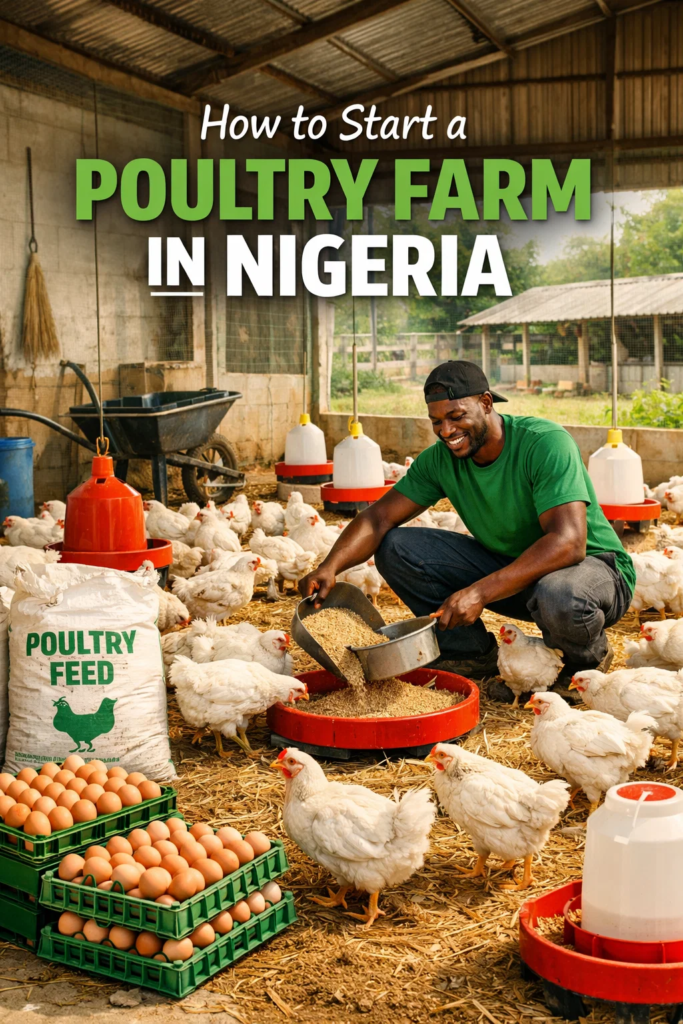

Agriculture remains one of the most important sectors of the Nigerian economy, providing employment and food for millions of people. Within this sector, poultry farming in Nigeria has become one of the fastest-growing agricultural businesses due to the high demand for chicken meat and eggs. According to data from the Food and Agriculture Organization (FAO), Nigeria has one of the largest poultry populations in Africa, with the industry producing billions of eggs and millions of chickens annually. This strong demand makes poultry farming a promising opportunity for entrepreneurs and farmers.
In recent years, more Nigerians have started exploring small scale poultry farming in Nigeria as a reliable source of income. Poultry products such as eggs and broiler chicken are consumed daily across households, restaurants, and food businesses. Because of this constant demand, poultry farmers can generate consistent income if they manage their farms properly. Additionally, government initiatives encouraging agricultural development have made it easier for individuals to venture into poultry farming.
If you are wondering how to start a poultry farm in Nigeria, this comprehensive guide will walk you through the essential steps. From understanding the benefits of poultry farming and choosing the right birds to estimating the cost of starting a poultry farm in Nigeria and developing a proper business plan, this article will help beginners build a successful poultry farming business.
Overview of Poultry Farming in Nigeria
Poultry farming in Nigeria involves raising domesticated birds such as chickens, turkeys, ducks, and geese for the production of eggs and meat. However, chickens remain the most common birds raised by farmers because they are easier to manage and have strong market demand.
There are different types of poultry farming operations depending on the farmer’s goals and resources. Some farmers focus on egg production, while others raise birds for meat. For beginners, starting with a small operation is often recommended before expanding into a large commercial poultry farm.
The poultry industry in Nigeria includes both small backyard farms and large commercial farms. While small farms supply local markets, larger operations supply supermarkets, hotels, and food processing companies. This diversity creates opportunities for both beginners and experienced farmers.
Common types of poultry farming include:
- Broiler poultry farming (for meat production)
- Layers poultry farming (for egg production)
- Organic poultry farming
- Backyard poultry farming
Understanding these options will help farmers decide the best direction for their poultry business.
Importance of Poultry Farming in Nigeria
The importance of poultry farming in Nigeria goes beyond profit generation. Poultry farming plays a significant role in improving food security and creating employment opportunities.
One of the key benefits is that poultry products provide affordable protein for many households. Eggs and chicken meat are widely consumed because they are nutritious and relatively inexpensive compared to other sources of protein such as beef or fish.
Another important advantage is job creation. The poultry industry employs millions of Nigerians directly and indirectly through activities such as feed production, veterinary services, transportation, and marketing.
Other benefits of poultry farming include:
- Provides a steady source of income
- Improves food security
- Creates employment opportunities
- Supports other agricultural industries
- Generates export opportunities
These advantages explain why many entrepreneurs are exploring poultry farming for beginners in Nigeria.
Types of Poultry Farming Businesses in Nigeria
Before starting a poultry farm, it is important to decide which type of poultry business you want to operate. Different poultry farming models require different investments and management strategies.
Broiler Poultry Farming in Nigeria
Broiler poultry farming in Nigeria focuses on raising chickens specifically for meat production. Broilers grow quickly and are usually ready for sale within 6–8 weeks.
This type of poultry farming is popular because it generates faster returns compared to egg production. Restaurants, fast-food outlets, and supermarkets frequently purchase broiler chickens.
Layers Poultry Farming in Nigeria
Layers poultry farming in Nigeria involves raising chickens that produce eggs regularly. Layers typically start laying eggs at about 18–20 weeks of age.
Farmers who choose this option focus on selling eggs to wholesalers, retailers, and consumers. While it takes longer to start earning income compared to broilers, egg production can provide a stable long-term income.
Backyard Poultry Farming in Nigeria
Backyard poultry farming in Nigeria is ideal for beginners who want to start with a small investment. This system involves raising a small number of birds within residential areas.
Backyard farms are easier to manage and require less capital, making them suitable for people who want to learn poultry farming before expanding.
How Profitable Is Poultry Farming in Nigeria?
Many aspiring farmers ask how profitable poultry farming in Nigeria is. The truth is that poultry farming can be very profitable if managed properly.
Profitability depends on several factors such as feed cost, bird health, farm management, and market demand. Farmers who maintain proper hygiene, provide quality feed, and manage their birds effectively often achieve good profits.
Some factors that influence profitability include:
- Cost of feed
- Bird mortality rate
- Market demand for eggs or meat
- Farm management practices
- Access to reliable markets
Because chicken and eggs are consumed daily, farmers who operate efficiently can generate steady income from poultry farming.
Cost of Starting a Poultry Farm in Nigeria
One of the most important considerations for new farmers is the cost of starting a poultry farm in Nigeria. The startup cost varies depending on the size of the farm, location, and number of birds.
Major expenses involved in setting up a poultry farm include:
- Construction of poultry housing
- Purchase of chicks
- Feeding equipment
- Feed and water supply
- Vaccination and veterinary care
The cost of building a poultry farm in Nigeria also depends on the materials used and the scale of the project. A small backyard poultry farm may require a relatively small investment, while a commercial farm requires more capital.
For beginners, starting with a small flock and expanding gradually is usually the best approach.
How to Start a Poultry Farm in Nigeria (Step-by-Step)
Starting a poultry farm in Nigeria requires careful planning, proper management, and a clear understanding of the poultry industry. Whether you plan to start with a small backyard farm or a large commercial poultry operation, following the right steps will increase your chances of success. Below is a detailed step-by-step guide to help beginners understand how to start a poultry farm in Nigeria successfully.
1. Conduct Market Research
The first step in starting a poultry business is conducting proper market research. Before investing money in poultry farming, it is important to understand the demand for poultry products in your area. Poultry products such as eggs and chicken meat are widely consumed in Nigeria, but market demand can vary depending on location.
Research will help you identify your potential customers, which may include households, restaurants, supermarkets, hotels, and food vendors. You should also study the pricing of eggs and chicken in your local market to determine how profitable your poultry business could be. Understanding the competition in your area will also help you develop better strategies for selling your products.
In addition, market research can help you decide whether to focus on broiler poultry farming for meat production or layers poultry farming for egg production. This decision is important because each type of poultry farming requires different management strategies and investment levels.
2. Create a Poultry Farming Business Plan
A well-structured business plan for poultry farming in Nigeria is essential for anyone who wants to run a successful poultry business. A business plan serves as a roadmap that outlines your goals, startup costs, operational plans, and expected profits.
Your poultry farming business plan should include important sections such as:
- Business overview and objectives
- Market analysis
- Startup capital and financial projections
- Poultry housing and equipment requirements
- Feeding and vaccination plans
- Marketing and sales strategies
Many entrepreneurs also prepare a feasibility study on poultry farming in Nigeria before launching their farms. A feasibility study helps determine whether the business will be profitable and sustainable in a particular location. It can also help attract investors, partners, or financial institutions willing to support your poultry farming project.
3. Choose a Suitable Location
Selecting the right location is another important step when learning how to set up a poultry farm in Nigeria. Poultry birds require a calm and well-ventilated environment to grow properly and remain healthy.
A good poultry farm location should be:
- Far from crowded residential areas
- Easily accessible by road for transportation
- Close to a reliable source of clean water
- Spacious enough for future expansion
The environment should also allow proper waste management to prevent odor and environmental pollution. If possible, choose land that allows for natural airflow because good ventilation helps reduce the spread of diseases among birds.
Choosing the right location will make it easier to manage your poultry farm and maintain healthy birds.
4. Build Proper Poultry Housing
Poultry housing plays a critical role in protecting birds from harsh weather conditions, predators, and diseases. When constructing a poultry house, it is important to create a structure that allows birds to move freely while maintaining proper hygiene.
A well-designed poultry house should provide:
- Adequate ventilation
- Protection from rain and sunlight
- Enough space for the birds
- Proper drainage for cleaning
Farmers can build poultry houses using materials such as wood, metal sheets, and wire mesh depending on their budget. For beginners practicing small scale poultry farming in Nigeria, a simple poultry house may be sufficient. However, larger commercial farms often use modern poultry housing systems with automated feeding and watering equipment.
Maintaining cleanliness in the poultry house is essential because poor hygiene can lead to disease outbreaks that may affect the entire flock.
5. Purchase Healthy Chicks
After setting up the poultry house, the next step is to purchase healthy chicks. Always buy day-old chicks from reputable hatcheries to ensure that the birds are strong, healthy, and resistant to diseases.
Choosing high-quality chicks is extremely important because the health and productivity of your birds depend on their genetic quality. Poor-quality chicks may grow slowly, produce fewer eggs, or become sick easily.
When purchasing chicks, make sure you:
- Buy from certified hatcheries
- Check the health condition of the chicks
- Transport the chicks safely to your farm
- Place them in a warm brooding environment immediately
Providing a proper brooding environment during the early stages helps chicks grow stronger and adapt quickly to the farm environment.
6. Provide Quality Feed
Feeding is one of the most important aspects of poultry farming in Nigeria. Poultry birds require balanced nutrition to grow properly, stay healthy, and produce eggs or meat efficiently.
Poultry feed usually contains a mixture of grains, vitamins, minerals, and protein sources that support the birds’ growth and productivity. Farmers often purchase commercial poultry feed or prepare their own feed mixtures depending on their resources.
Different stages of poultry growth require different types of feed, including:
- Starter feed for young chicks
- Grower feed for developing birds
- Finisher feed for broilers nearing market age
- Layer feed for egg-producing chickens
Providing clean water alongside quality feed is also essential for maintaining healthy poultry birds.
7. Implement Vaccination and Health Care
Disease control is a major factor in running a successful poultry farm. Poultry birds are vulnerable to several diseases that can spread quickly if proper preventive measures are not taken.
Regular vaccination is necessary to protect birds from common poultry diseases such as Newcastle disease, Gumboro disease, and fowl pox. Farmers should follow recommended vaccination schedules to ensure their birds remain healthy.
In addition to vaccination, proper farm sanitation is essential. Good hygiene practices include:
- Cleaning poultry houses regularly
- Disinfecting equipment
- Removing waste properly
- Monitoring birds for signs of illness
Farmers should also consult veterinary professionals when necessary to ensure proper treatment and disease prevention.
By maintaining good health care practices, poultry farmers can reduce bird mortality and increase the productivity of their farms.
Organic Poultry Farming in Nigeria
Organic poultry farming in Nigeria focuses on raising birds without the use of harmful chemicals or synthetic additives. Organic farmers typically feed birds natural diets and allow them access to open spaces.
Many consumers prefer organic poultry products because they are perceived as healthier and more environmentally friendly.
Although organic poultry farming may require more careful management, it can attract premium prices in the market.
Biggest Poultry Farms in Nigeria
Nigeria is home to several large poultry farms that produce eggs and chicken meat on a massive scale. These commercial farms supply products to supermarkets, restaurants, hotels, and food processing companies across the country. Many of these farms operate with modern equipment, large poultry houses, automated feeding systems, and advanced disease control practices.
Some of the big poultry farms in Nigeria are known for producing millions of eggs and chickens annually. These farms demonstrate how profitable and scalable poultry farming can be when managed professionally. Their operations often include hatcheries, feed mills, and distribution networks that supply poultry products to different parts of the country.
Examples of some of the largest poultry farms in Nigeria include:
- Obasanjo Farms Nigeria Limited – One of the largest poultry farms in Nigeria, producing large quantities of eggs and poultry products.
- Ajanla Farms – A major poultry and livestock farm located in Ibadan, known for large-scale egg production.
- CHI Farms Limited – A leading poultry company involved in poultry breeding, hatcheries, and feed production.
- Amo Farm Sieberer Hatchery Limited – One of the most recognized poultry businesses in Nigeria, specializing in hatchery and poultry production.
- Olam Poultry Farm – A large integrated poultry operation involved in feed production and poultry farming.
Studying the operations of these big poultry farms in Nigeria can provide valuable insights for new farmers who want to grow their businesses. By observing their management practices, biosecurity measures, and production systems, aspiring poultry farmers can learn strategies for running successful and sustainable poultry farms.
How to Run a Successful Poultry Farm in Nigeria
Running a poultry farm requires discipline, proper planning, and consistent management. Farmers must monitor their birds daily to ensure they remain healthy and productive.
Important practices for successful poultry farming include:
- Maintaining proper hygiene on the farm
- Providing clean water and quality feed
- Monitoring bird health regularly
- Keeping accurate financial records
- Establishing reliable distribution channels
Farmers who follow these practices are more likely to succeed in the competitive poultry industry.
Building a Successful Poultry Farming Business in Nigeria
Starting a poultry farm can be a rewarding venture for individuals interested in agriculture and entrepreneurship. With proper planning, dedication, and effective farm management, poultry farming can generate consistent income and contribute to food security in Nigeria.
For beginners wondering how to start a small poultry farm in Nigeria, the key is to begin with manageable resources and expand gradually as experience grows. By understanding the cost ofsetting up a poultry farm in Nigeria, creating a detailed business plan, and maintaining good farm management practices, farmers can build sustainable and profitable poultry businesses.