

There is a moment at around 5:30 in the morning in almost every Ghanaian neighbourhood when the smell of fresh bread reaches the street before the bakery van does, and within minutes a small crowd has formed around a tray of sugar bread that did not exist an hour ago. That daily ritual is the commercial heartbeat of the bakery business in Ghana, a sector that feeds millions of people before most offices have opened, generates consistent daily revenue regardless of the season, and sits at the intersection of food security and small business opportunity in a way that few other industries do.
The barriers to entry are real, the FDA regulations are non-negotiable, and the competition from established bread brands is formidable. But for an operator who understands the production process, manages input costs with precision, and builds the right distribution relationships, a well-run bakery in Ghana is one of the most predictable revenue-generating businesses available.
Legal and Regulatory Setup
Bakeries in Ghana face a more structured regulatory process than most other small businesses because food safety compliance is enforced by two separate government bodies before you can legally sell a single loaf.
- Office of the Registrar of Companies: Register your business as a Sole Proprietorship or Limited Liability Company to receive your Certificate of Incorporation. A limited liability structure is advisable if you plan to invest significantly in equipment or take on a business partner.
- Tax Identification Number: Register with the Ghana Revenue Authority for your TIN immediately after incorporation. The FDA and GSA will ask for this during their respective application processes.
- FDA Food Establishment Registration: The Food and Drugs Authority inspects your production facility for hygiene standards, forward-flow layout compliance, staff health protocols, and equipment sanitation before issuing your Food Establishment Registration. Operating a bakery without this registration is illegal and exposes you to closure, fines, and product seizure.
- GSA Product Certification: The Ghana Standards Authority certifies that your finished products meet national quality standards for bread and pastries. GSA certification is mandatory for any bakery supplying formal retail channels including supermarkets, hotels, and institutional buyers.
- Business Operating Permit: Your Metropolitan or District Assembly issues an annual operating permit for your production and retail premises. For bakeries in Accra, this comes from the Accra Metropolitan Assembly (AMA).
- Staff Health Certificates: Every member of your team who handles food must undergo medical screening and hold a valid Health Certificate from a government-approved hospital. This is a legal requirement and a real food safety safeguard that the FDA verifies during inspections.
Location and Infrastructure
The FDA’s forward-flow layout requirement means your bakery space cannot be designed like a general commercial kitchen. The physical layout must tell a story that moves in one direction only.
- Forward-Flow Layout: Raw materials enter your production space from one side. Mixing, proofing, baking, cooling, slicing, and packaging each happen in a sequential zone. Finished products leave from the other side. This separation prevents cross-contamination between raw dough, baked product, and packaging. The FDA inspector will map this flow during your facility inspection, and a layout that contradicts it will delay your certification.
- Wall and Surface Standards: Walls must be tiled or painted with washable, non-toxic paint that can withstand frequent cleaning with commercial disinfectants. Floors must be non-slip, sealed, and drainable. The FDA treats surface material as a hygiene indicator.
- Ventilation: Industrial extractor fans that remove flour dust, heat, and steam from the production area are mandatory. Poor ventilation damages equipment over time, creates uncomfortable working conditions, and is a hygiene flag during inspections.
- Utilities: Industrial baking ovens, spiral mixers, and proofers draw significant electricity. Three-phase power supply is standard for commercial bakery equipment in Ghana. Confirm this is available at your location before signing any lease. A reliable water source for production and cleaning completes the utility baseline.
Essential Equipment
The equipment you invest in sets the production ceiling of your bakery and directly determines your output quality, consistency, and operating cost per loaf.
- Industrial Deck Ovens: Gas-powered deck ovens are the most practical choice for Ghanaian bakeries. They produce the consistent bottom heat that Ghanaian bread textures demand, are not affected by power outages, and have lower running costs than electric alternatives in the Ghanaian electricity price environment. A double-deck oven with four trays per deck is the standard commercial starting configuration.
- Spiral Dough Mixer: Consistent dough texture depends on a heavy-duty spiral mixer that handles high-hydration commercial dough without overheating. The mixer capacity should match your daily production target. Undersized mixers run multiple batches and add hours to your production cycle.
- Proofer: Ghana’s humidity affects dough fermentation in ways that bakers from cooler climates do not anticipate. A climate-controlled proofing cabinet regulates temperature and humidity to produce consistent dough rise regardless of the season or the time of day.
- Bread Slicer: Sliced bread is the dominant format in Ghana’s volume bread market. A mechanical slicer that produces uniform slices at commercial speed is essential for any bakery intending to supply wholesale channels or retail in pre-packaged units.
- Cooling Racks: Bread that is packaged before it has cooled fully generates condensation inside the bag, which accelerates mould formation and shortens shelf life. Adequate cooling rack space is not optional if your product quality is to last beyond the day of baking.
- Packaging Equipment: Branded polythene bags with your FDA registration number and production and expiry dates printed clearly are the legal and commercial standard. Packaging that omits this information cannot legally be sold in formal retail.
Also Read: How to Start a Restaurant Business in Ghana
Commercial Bakery Business in Ghana
The Ghanaian bread market is large, diverse, and served by a range of producers from large industrial plants to neighbourhood artisan bakeries. Understanding which segment you are entering shapes every decision about production volume, equipment, distribution, and pricing.
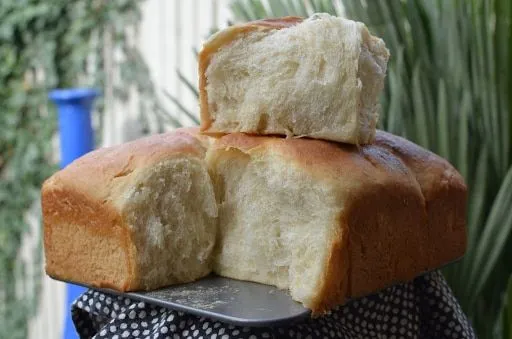
Volume bread production covers sugar bread, butter bread, and brown bread in standard loaf format. This is the highest-volume segment in Ghana and the most competitive. Success depends on low production cost per loaf, reliable daily distribution, and a wholesale network of hawkers, kiosks, and corner shops who can move product quickly. Margins per loaf are thin but volume compensates for operators with efficient production and distribution.
Pastries and specialty baking covers meat pies, sausage rolls, doughnuts, chin chin, cake, and artisan bread. This segment serves supermarkets, offices, hotels, and direct retail customers with higher margins per unit but lower volume than the mass bread market. Production is more labour-intensive and product variety adds inventory management complexity, but the premium pricing makes the economics attractive.
Institutional supply covers schools, hospitals, hotels, corporate canteens, and event caterers who purchase bread and pastries in bulk. These contracts offer predictable order volumes and payment terms that open market sales do not. Securing one or two institutional accounts stabilises a bakery’s revenue base.
Branded retail is the model pursued by bakeries that invest in a shopfront, a display counter, and a direct customer relationship. Selling from your own premises gets rid of distributor margins, builds brand recognition in your neighbourhood, and allows you to introduce premium products that wholesale channels cannot support.
Supply Chain and Inputs
Flour and fuel are the two input costs that most directly determine your cost per loaf and your ability to produce consistently.
- Flour Supply: Establish a direct relationship with major flour millers for consistent supply at commercial pricing. Buying through a distributor instead of buying directly from the mill adds cost that compounds across every batch. As your volume grows, bulk purchasing agreements with millers reduce your per-bag cost significantly.
- Supporting Ingredients: Yeast, sugar, margarine, salt, eggs, and improvers should be sourced in bulk from wholesale suppliers and stored correctly. Yeast in particular is temperature-sensitive and must be refrigerated to maintain its activity, which affects your dough rise directly.
- LPG Fuel: Secure a reliable LPG supply arrangement with a registered gas company that can commit to regular delivery. A bakery that runs out of gas mid-production loses hours of output and cannot recover the day’s planned batch. Many established bakeries maintain two gas cylinders in rotation to prevent production interruption.
- Backup Power: Even gas-powered bakeries depend on electricity for lighting, mixers, proofers, and slicers. A generator sized for your electrical load protects your production schedule during outages.
Distribution and Sales Strategy
A bakery that produces excellent bread but cannot move it before it goes stale has a logistics problem that no amount of production quality can fix.
The wholesale model places your bread with a network of street hawkers, bread sellers, kiosks, and corner shops who buy at wholesale price and sell at retail to end consumers. This model moves high volumes quickly and is the backbone of most neighbourhood bakeries in Ghana. The tradeoff is thin margins, reliance on third-party sellers, and limited control over how your product is stored and presented at the point of sale.
The retail model sells directly from your own shopfront or delivery van to end consumers. Retail margins are higher, your brand is more visible, and you control the customer experience. The tradeoff is slower volume movement and the cost of maintaining a dedicated retail space and staff.
Most commercial bakeries in Ghana use a combination of both. Daily bread goes out through wholesale hawker channels by early morning. Pastries and specialty items are sold from the bakery counter through the day.
Supermarket and hotel supply is the aspirational tier for bakeries with Ghana Standards Authority (GSA) certification, consistent quality, and the production volume to meet weekly order commitments. These channels demand product consistency and reliable delivery schedules that artisan-scale operations often struggle to sustain.
Staffing Your Bakery
The head baker is the most important hire you will make. Every other operational role supports the production process, but the head baker defines its quality.
Hire a head baker with demonstrable experience in Ghanaian bread textures. Sugar bread, butter bread, and brown bread each have specific dough hydration levels, mixing times, and proofing requirements that are different from Western bread-making conventions. A baker trained exclusively in European techniques will produce technically correct bread that Ghanaian customers find unfamiliar in texture and flavour.
Supporting roles include production assistants for mixing, shaping, and packaging, a delivery driver for wholesale distribution, and a counter sales person for retail operations. As volume grows, a production supervisor who manages daily schedules and quality checks without direct owner involvement becomes essential.
List Your Bakery on QuePosts
A bakery that produces consistently well but is invisible to institutional buyers, hotel procurement teams, and catering companies is leaving significant contract value unreached. QuePosts is a digital business directory and discovery portal built specifically for Ghanaian brands and entrepreneurs. It gives your bakery a professional online listing where supermarkets, hotels, event planners, corporate offices, and individual customers can find your contact details, product range, and delivery coverage directly.
QuePosts also integrates job posting features, so when your production volume grows and you need to hire a second baker, a packaging assistant, a delivery driver, or a sales representative, you can post those vacancies on the same platform where your business is already listed and reach local job seekers.
Bakeries in Ghana succeed when the production process is consistent, the input costs are managed with discipline, the distribution network is built before the ovens cool, and the regulatory paperwork is treated as a business investment and not an administrative burden. The market is large, the daily demand is real, and the opportunity for a well-run operation to build a loyal customer base is available to anyone willing to do the work behind the counter as carefully as the work inside it.