

Mushroom farming in Nigeria is rapidly emerging as one of the most promising agribusiness opportunities for entrepreneurs, especially those looking for a low-space, high-value venture. With increasing awareness of healthy eating and the rising demand for plant-based protein, mushrooms have become a popular food choice in many Nigerian households, restaurants, and supermarkets. This shift in consumer preference is creating a strong market for both small-scale and commercial mushroom farmers.
Nigeria’s population continues to grow, and with it comes a widening gap in protein supply. Mushrooms provide an excellent alternative, they are rich in protein, vitamins, antioxidants, and fiber, while being low in fat and cholesterol. As more people adopt healthier lifestyles, the demand for fresh and organic mushrooms is increasing steadily. Despite this demand, local production is still relatively low, meaning there is a huge opportunity for new entrants into mushroom farming in Nigeria.
Another major advantage of mushroom farming is its flexibility. Unlike traditional farming, mushrooms do not require large land areas or heavy machinery. They can be grown indoors using simple materials, making them ideal for urban and peri-urban farming. If you are wondering how to start mushroom farming in Nigeria, whether it is profitable, and how to succeed as a beginner, this detailed guide will walk you through every step.
What is Mushroom Farming?
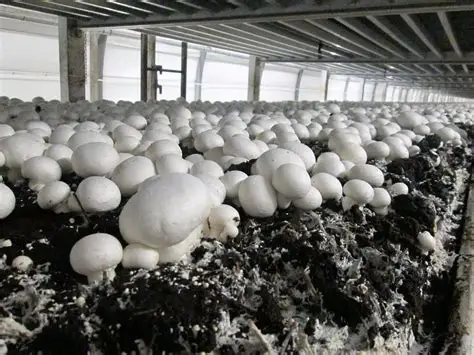
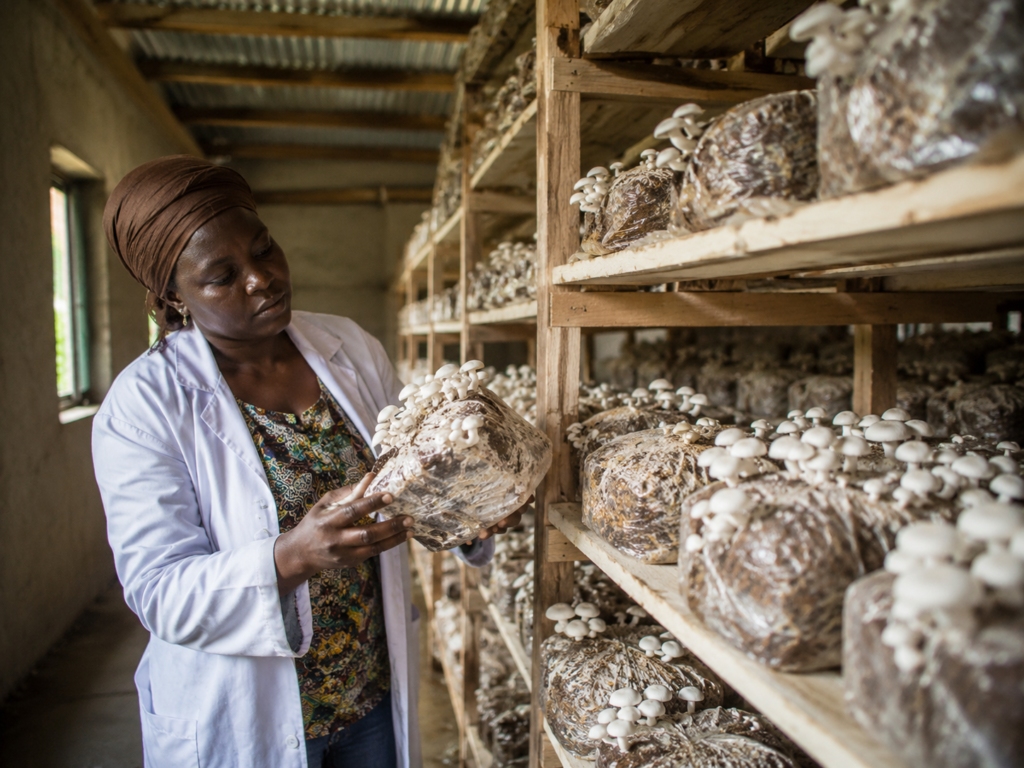
Mushroom farming involves the cultivation of edible fungi under controlled environmental conditions. Unlike crops that grow in soil, mushrooms grow on organic materials such as sawdust, straw, or agricultural waste, making them a sustainable farming option.
Before starting, it is important to understand the basics of mushroom farming and why it is gaining popularity in Nigeria. Mushrooms are not just food, they are a high-value agricultural product with growing demand in both local and international markets.
Common Types of Mushrooms Grown in Nigeria
There are several types of mushrooms, but only a few are widely cultivated in Nigeria due to their adaptability and market demand:
- Oyster mushrooms: The most common and easiest to grow for beginners
- Button mushrooms: Popular in hotels and restaurants
- Shiitake mushrooms: High-value but require more expertise
For beginners, oyster mushrooms are highly recommended because they are easy to cultivate, grow quickly, and require minimal technical skills.
Is Mushroom Farming Profitable in Nigeria?
One of the most important questions is whether mushroom farming is profitable in Nigeria. The answer is yes! Mushroom farming can be highly profitable when done correctly.
The profitability of mushroom farming in Nigeria is driven by high demand, relatively low startup costs, and quick production cycles. Unlike livestock farming, mushrooms can be harvested within weeks, allowing for faster returns on investment.
Why Mushroom Farming is Profitable
Here are the key reasons why mushroom farming is a lucrative business:
- Short Growth Cycle: Mushrooms can be harvested within 3–6 weeks
- High Market Demand: Widely consumed by households and restaurants
- Low Space Requirement: Can be grown indoors or in small spaces
- High Selling Price: Mushrooms are considered a premium product
- Multiple Harvests: One setup can produce several batches
For example, a small mushroom farm can generate consistent income if properly managed, especially when supplying to supermarkets, restaurants, and food vendors.
Cost of Mushroom Farming in Nigeria
Understanding the cost of mushroom farming in Nigeria is essential for planning your business. One of the biggest advantages is that you can start with relatively low capital and scale gradually.
The total cost depends on your production size, materials used, and level of automation.
Estimated Startup Costs
- Growing house or space setup: ₦50,000 – ₦200,000
- Substrate materials (sawdust, straw): ₦20,000 – ₦80,000
- Spawn (mushroom seeds): ₦10,000 – ₦50,000
- Water and humidity control: ₦10,000 – ₦30,000
- Miscellaneous expenses: ₦20,000+
A beginner can start mushroom farming with about ₦100,000 – ₦300,000, while commercial farms may require more investment.
How to Start Mushroom Farming in Nigeria
Starting mushroom farming in Nigeria requires proper planning and understanding of the process. Many beginners fail because they skip important steps or lack proper knowledge.
Below are the essential steps to guide you.
Step-by-Step Guide
- Get Proper Training
Learning from experts or attending mushroom farming training in Nigeria is highly recommended. - Choose the Right Mushroom Type
Start with oyster mushrooms for easier management. - Prepare the Growing Area
Mushrooms require a cool, dark, and humid environment. - Prepare the Substrate
Use materials like sawdust or straw and sterilize them properly. - Inoculate with Spawn
Introduce mushroom spawn into the prepared substrate. - Maintain Proper Conditions
Control temperature, humidity, and ventilation. - Harvest and Sell
Harvest mushrooms at the right time and sell them fresh or processed.
Consistency and attention to detail are critical for success.
Read Also: Rabbit Farming in Nigeria: How to Start and Make Consistent Profit
Commercial Mushroom Farming in Nigeria
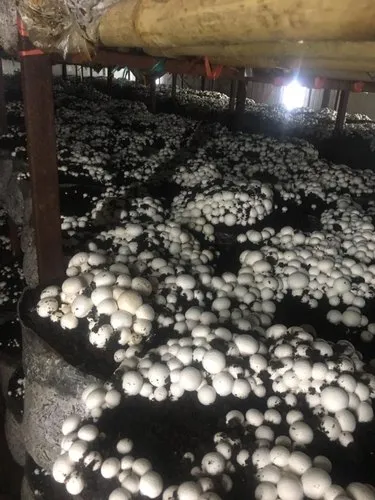
Commercial mushroom farming in Nigeria is a more advanced and structured form of mushroom production aimed at generating consistent, large-scale income. Unlike small backyard setups, commercial farms are designed to meet the growing demand from supermarkets, hotels, restaurants, and food processing companies. As awareness of healthy eating increases, businesses now require a steady supply of fresh mushrooms, creating a strong opportunity for commercial producers.
At this level, mushroom farming is treated as a full agribusiness venture rather than a side hustle. Farmers focus on efficiency, standardization, and long-term profitability. This includes proper planning of production cycles, investment in infrastructure, and building reliable market channels. With the right systems in place, commercial mushroom farming can operate year-round and generate predictable income.
Features of Commercial Mushroom Farming
To succeed in commercial mushroom farming, you need more than just basic knowledge—you need structure, consistency, and the ability to scale production effectively. Below are the key features that define successful large-scale operations:
- Large Production Capacity: Commercial farms produce mushrooms in bulk, often using hundreds or thousands of grow bags or shelves. This allows farmers to meet large orders and supply multiple buyers at once.
- Controlled Environment Systems: Mushrooms require specific temperature, humidity, and light conditions. Commercial farms often use controlled environments such as grow rooms or chambers to maintain optimal conditions and ensure consistent yields.
- Consistent Supply to Buyers: One of the biggest advantages of commercial farming is the ability to supply mushrooms regularly. This helps build trust with buyers such as supermarkets and restaurants, leading to long-term contracts and stable income.
- Use of Improved Technology: Many commercial farmers adopt modern tools such as humidifiers, ventilation systems, and sterilization equipment. These technologies improve productivity, reduce contamination, and enhance product quality.
In addition, commercial mushroom farmers often:
- Employ trained workers to manage operations
- Practice proper record-keeping and inventory management
- Invest in branding, packaging, and value addition
- Explore export opportunities for dried or processed mushrooms
With proper planning, commercial mushroom farming in Nigeria can generate steady income throughout the year and grow into a highly profitable agribusiness.
Mushroom Farming Training in Nigeria
Before starting mushroom farming especially at a commercial level; it is highly advisable to undergo proper training. Mushroom cultivation is more technical than many other forms of farming because it requires careful control of environmental conditions and strict hygiene practices.
Many beginners fail not because mushroom farming is difficult, but because they lack the necessary knowledge and practical experience. Training helps you understand the science behind mushroom growth and equips you with the skills needed to run a successful farm.
Benefits of Training
Here are some of the key benefits of undergoing mushroom farming training in Nigeria:
- Learn Correct Cultivation Techniques: Training teaches you the step-by-step process of preparing substrates, inoculating spawn, and managing growth conditions.
- Avoid Costly Beginner Mistakes: Many new farmers lose money due to contamination or improper setup. Training helps you identify and avoid these common errors.
- Understand Disease and Contamination Control: Mushrooms are highly sensitive to contamination. Training equips you with the knowledge to maintain hygiene and prevent losses.
- Gain Access to Suppliers and Buyers: Training programs often connect you with reliable spawn suppliers and potential customers, giving you a head start in the business.
Additionally, training can help you:
- Build confidence to start and scale your farm
- Learn proper farm management and record-keeping
- Discover new opportunities such as value-added products
You can obtain mushroom farming training in Nigeria through agricultural institutes, private farms, workshops, and online platforms. Investing in knowledge early will save you time, money, and frustration in the long run.
Challenges of Mushroom Farming in Nigeria
Like any agribusiness, mushroom farming in Nigeria comes with its own set of challenges. While the business is profitable, it requires attention to detail, discipline, and consistency. Being aware of these challenges allows you to prepare adequately and reduce the risk of failure.
Mushrooms are delicate organisms that thrive under specific conditions. Any deviation from the required environment can affect growth, yield, and quality. This makes proper management essential, especially for beginners.
Common Challenges
Here are some of the major challenges faced by mushroom farmers in Nigeria:
- Contamination of Substrate: This is one of the biggest challenges in mushroom farming. Poor sterilization or hygiene can lead to contamination by bacteria or molds, destroying entire batches.
- Poor Environmental Control: Mushrooms require specific levels of humidity, temperature, and ventilation. Inconsistent conditions can result in poor yields or crop failure.
- Lack of Technical Knowledge: Many farmers struggle because they do not fully understand the cultivation process. This often leads to mistakes that reduce productivity.
- Limited Access to Quality Spawn: High-quality spawn is essential for successful mushroom farming. Difficulty in sourcing reliable spawn can affect production.
- Market Fluctuations: While demand is generally high, prices can vary depending on location and season. Without proper market planning, farmers may face inconsistent income.
Other challenges may include:
- High initial learning curve for beginners
- Limited awareness in some local markets
- Poor storage and preservation facilities
Proper management, continuous learning, and investing in the right equipment can help you overcome these challenges. With experience and consistency, many of these obstacles become easier to manage, allowing you to build a successful and sustainable mushroom farming business in Nigeria.
Frequently Asked Questions (FAQ)
1. Is mushroom farming profitable in Nigeria?
Yes, mushroom farming is profitable due to high demand and quick growth cycles. Proper management increases returns.
2. How much does it cost to start mushroom farming in Nigeria?
You can start with ₦100,000 to ₦300,000. Larger farms require more capital.
3. How long does it take mushrooms to grow?
Mushrooms typically grow within 3–6 weeks. This allows quick turnover and income.
4. What is the best mushroom for beginners?
Oyster mushrooms are the best for beginners. They are easy to grow and require less technical skill.
5. Do I need land for mushroom farming?
No, mushrooms can be grown indoors. Small spaces like rooms or sheds are sufficient.
6. Where can I sell mushrooms in Nigeria?
You can sell to restaurants, supermarkets, and individuals. Hotels and food vendors are also good markets.
7. What are the common challenges in mushroom farming?
Challenges include contamination and poor environmental control. Training helps reduce these risks.
8. Do I need training before starting?
Training is highly recommended. It helps you avoid costly mistakes.
9. Can mushroom farming be done at home?
Yes, it can be done at home with proper setup. Many beginners start this way.
10. How profitable is commercial mushroom farming in Nigeria?
Commercial farming can be highly profitable with consistent supply. It requires proper planning and investment.
Conclusion
Mushroom farming in Nigeria is a smart and modern agribusiness opportunity that combines low startup costs with high income potential. With increasing demand for healthy and organic food, mushrooms are becoming a staple in many Nigerian homes and commercial kitchens. This creates a strong and reliable market for anyone willing to venture into the business.
However, success in mushroom farming requires more than just interest—it demands knowledge, consistency, and proper management. From understanding the cost of mushroom farming in Nigeria to maintaining the right growing conditions, every step plays a crucial role in determining your success. Farmers who invest in training and follow best practices are more likely to achieve profitable outcomes.
If you are looking for a beginner-friendly agribusiness that can be started with limited space and capital, mushroom farming is an excellent choice. Start small, learn the process, and expand gradually. With dedication and the right approach, you can build a successful and sustainable mushroom farming business in Nigeria.