
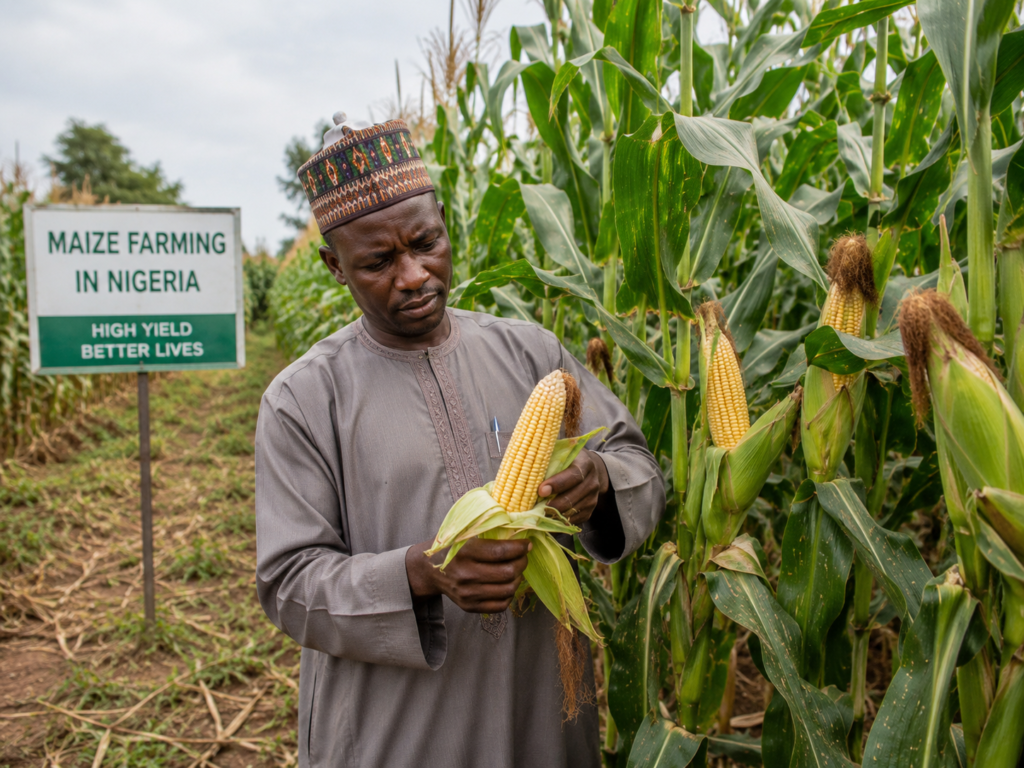

Maize farming in Nigeria remains one of the most important and profitable agricultural activities in the country. As a staple food consumed by millions of Nigerians daily, maize plays a vital role in food security, livestock feed production, and industrial processing. From households to large food companies, the demand for maize continues to grow, making it a reliable agribusiness for both small-scale and commercial farmers.
Nigeria is one of the largest producers of maize in Africa, with millions of tonnes harvested annually. Despite this, demand still outpaces supply due to population growth, increased consumption, and expanding industries such as poultry and food processing. Maize is used in producing flour, pap (ogi), animal feed, starch, and even beverages. This wide range of uses makes maize farming in Nigeria a highly valuable and sustainable business opportunity.
Another reason maize farming is gaining attention is its adaptability. It can be grown in most parts of Nigeria under different climatic conditions, including both rainy and dry seasons with irrigation. Whether you are a beginner or an experienced farmer, understanding how to start maize farming in Nigeria and maximize yield is essential for achieving consistent profit.
Introduction Maize Farming in Nigeria
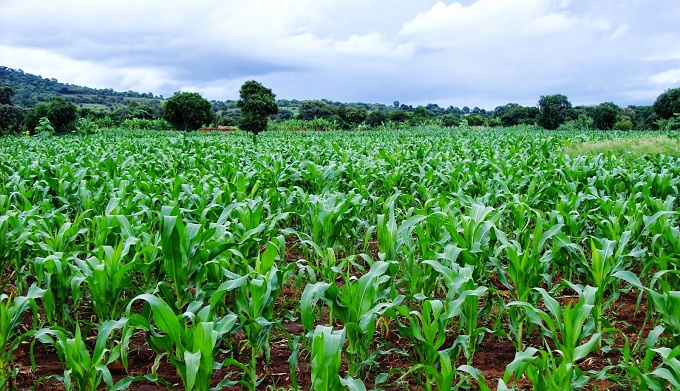
Maize farming involves the cultivation of maize (corn) for food, feed, and industrial purposes. It is one of the most widely practiced forms of crop farming in Nigeria due to its versatility and high demand.
Before starting, it is important to understand how maize farming works and why it is considered a key agricultural sector in the country. Maize is a fast-growing crop that matures within 3–4 months, making it ideal for multiple planting cycles in a year.
Importance of Maize Farming in Nigeria
Maize farming contributes significantly to Nigeria’s economy and food system. It is not just a crop; it is a foundation for many industries and livelihoods.
- Provides food for millions of Nigerians
- Serves as a major ingredient in animal feed production
- Creates employment opportunities for farmers and traders
- Supplies raw materials for industries
- Supports food security and economic growth
Because of these benefits, maize farming continues to attract both small-scale and commercial investors.
Is Maize Farming Profitable in Nigeria?
One of the most common questions is whether maize farming is profitable in Nigeria. The answer is yes! maize farming can be highly profitable when done with proper planning and modern techniques.
The profitability of maize farming in Nigeria depends on factors such as yield, cost of inputs, farm size, and market prices. With improved seeds, good soil management, and effective marketing, farmers can achieve impressive returns.
Why Maize Farming is Lucrative
Several factors contribute to the profitability of maize farming:
- High Demand: Used widely for food and livestock feed
- Short Growing Cycle: Harvest within 90–120 days
- Multiple Planting Seasons: Rainy and dry season farming possible
- Scalability: Can be expanded from small to large farms
- Diverse Market: Sold to individuals, markets, and industries
For example, one hectare of maize farm can yield several tonnes, and with good market prices, farmers can generate substantial income.
Cost of Maize Farming in Nigeria
Understanding the cost of maize farming in Nigeria is essential for proper budgeting and planning. The total cost varies depending on land size, location, and farming method.
While maize farming can require moderate capital, the returns often justify the investment.
Estimated Cost Breakdown (Per Hectare)
- Land preparation: ₦30,000 – ₦80,000
- Seeds (improved varieties): ₦20,000 – ₦40,000
- Fertilizers: ₦50,000 – ₦120,000
- Herbicides and pesticides: ₦20,000 – ₦60,000
- Labour: ₦50,000 – ₦100,000
- Harvesting and transportation: ₦30,000+
Total estimated cost ranges from ₦200,000 to ₦400,000 per hectare, depending on farming practices and location.
How to Start Maize Farming in Nigeria
Starting a maize farming business in Nigeria requires proper planning and execution. Many farmers fail due to poor preparation and lack of knowledge.
Below is a step-by-step guide to help you succeed.
Step-by-Step Guide
- Conduct a Feasibility Study
Understand the market demand, costs, and potential risks. - Prepare a Business Plan
A maize farming business plan in Nigeria should include budget, production plan, and marketing strategy. - Choose Suitable Land
Select fertile, well-drained soil with access to water. - Land Preparation
Clear, plough, and harrow the land for planting. - Planting
Use improved maize seeds and plant at the right spacing. - Apply Fertilizer and Weed Control
Ensure proper nutrient supply and remove weeds regularly. - Pest and Disease Control
Monitor and treat any infestations early. - Harvesting
Harvest maize when fully mature and dry.
Consistency and proper timing are crucial for high yield.
Dry Season and Irrigation Maize Farming in Nigeria
Maize farming in Nigeria is no longer restricted to the rainy season alone. With the introduction of irrigation systems and improved farming technologies, farmers can now cultivate maize throughout the year, including the dry season. This development has significantly transformed maize production, especially for commercial farmers who want to maximize output and profits.
Dry season maize farming in Nigeria is gaining popularity because it allows farmers to take advantage of periods when supply is low and market prices are higher. During the rainy season, many farmers harvest maize at the same time, leading to market saturation and lower prices. However, dry season production creates an opportunity to supply maize when it is scarce, thereby increasing profitability.
Another major advantage is better control over farming conditions. Unlike rain-fed agriculture, irrigation-based maize farming allows farmers to regulate water supply, reduce crop stress, and improve yield quality. As climate change continues to affect rainfall patterns in Nigeria, irrigation farming is becoming an important strategy for ensuring food security and stable agricultural income.
Benefits of Dry Season Farming
Dry season maize farming offers several advantages that make it attractive to both small-scale and commercial farmers. These benefits contribute directly to higher productivity and profitability.
- Higher Market Prices Due to Reduced Supply: During the dry season, fewer farmers are producing maize, which leads to lower supply in the market. This scarcity often results in higher selling prices, increasing farmers’ profit margins.
- Better Control of Water and Nutrients: Irrigation systems allow farmers to supply water and nutrients at the right time and in the right quantity. This improves crop health and leads to higher yields compared to rain-fed farming.
- Lower Risk of Flooding: Rainy season farming often comes with risks such as flooding, which can destroy crops. Dry season farming eliminates this risk, leading to more stable production.
- Opportunity for Multiple Harvests: With irrigation, farmers can plant maize more than once a year, increasing total annual output and income potential.
In addition to these benefits, dry season farming also improves farm planning and allows farmers to better manage labor and resources.
However, it is important to note that dry season maize farming requires access to reliable water sources such as boreholes, rivers, dams, or modern irrigation systems. Without proper water management, the system may not be successful.
Commercial Maize Farming in Nigeria
Commercial maize farming in Nigeria refers to large-scale production of maize primarily for business purposes. Unlike subsistence or small-scale farming, the main goal of commercial farming is to supply large quantities of maize to markets, feed mills, processing companies, and sometimes export channels.
As demand for maize continues to rise in Nigeria due to population growth and industrial use, commercial maize farming has become a highly attractive investment opportunity. Poultry farms, food processors, and breweries all depend heavily on maize as a raw material, creating a stable and expanding market.
Commercial farmers focus on efficiency, productivity, and profitability. This involves using modern farming techniques, improved seed varieties, and mechanized equipment to achieve high yields and reduce production costs per hectare.
Read Also: Snail Farming in Nigeria: Low-Cost Agribusiness with High Returns
Features of Commercial Maize Farming
Commercial maize farming is characterized by structured operations and large-scale production systems. These features distinguish it from smallholder farming and make it more profitable when properly managed.
- Large Farm Size (Hectares of Land): Commercial maize farms are typically cultivated on multiple hectares of land, allowing for bulk production and economies of scale.
- Use of Mechanized Equipment: Tractors, planters, and harvesters are commonly used to reduce labor costs and improve efficiency during land preparation and harvesting.
- Improved Seed Varieties: High-yield hybrid seeds are used to increase productivity, disease resistance, and uniform crop growth.
- Structured Farm Management: Commercial farms operate with proper planning, record-keeping, budgeting, and labor management systems to ensure smooth operations.
- Bulk Supply to Industries: The end goal is often to supply large buyers such as feed mills, agro-processing companies, and wholesale markets in consistent quantities.
With proper planning, commercial maize farming in Nigeria can generate substantial income and create long-term agricultural business opportunities. However, success depends on efficient management, access to capital, and proper market connections.
Challenges of Maize Farming in Nigeria
Despite its strong profitability and demand, maize farming in Nigeria is not without challenges. Farmers often face several obstacles that can affect yield, income, and long-term sustainability. Understanding these challenges is essential for proper planning and risk management.
Many of these issues are systemic and affect both small-scale and commercial farmers, although the impact is usually higher on large-scale operations due to higher investment levels.
Common Challenges
- High Cost of Inputs (Fertilizers and Seeds): The cost of essential inputs such as fertilizer, hybrid seeds, and agrochemicals has increased significantly in recent years, affecting production costs and profit margins.
- Pest and Disease Outbreaks: Maize crops are vulnerable to pests such as fall armyworms, which can destroy entire fields if not properly controlled. Diseases can also reduce yield quality and quantity.
- Poor Storage Facilities: After harvest, inadequate storage can lead to post-harvest losses due to pests, moisture, and spoilage. This is a major issue in maize production in Nigeria.
- Climate Variability and Drought: Unpredictable rainfall patterns and prolonged dry spells can negatively affect crop growth, especially for rain-fed farmers without irrigation systems.
- Market Price Fluctuations: Maize prices often vary depending on season and supply levels. Farmers may experience lower profits if they are forced to sell during peak harvest periods when prices drop.
To overcome these challenges, farmers need to adopt improved agricultural practices, invest in irrigation where possible, use certified seeds, and develop strong market linkages. Proper planning, risk management strategies, and access to agricultural support services can significantly improve productivity and profitability in maize farming in Nigeria.
SWOT Analysis of Maize Farming in Nigeria
A SWOT analysis helps you understand the strengths, weaknesses, opportunities, and threats in maize farming.
SWOT Analysis
Strengths:
- High demand
- Short growing cycle
- Widely adaptable
Weaknesses:
- Input costs can be high
- Requires proper storage
Opportunities:
- Growing population
- Industrial demand
- Export potential
Threats:
- Climate change
- Pest infestations
- Market instability
Understanding this analysis helps you make better business decisions.
Frequently Asked Questions (FAQ)
1. Is maize farming profitable in Nigeria?
Yes, maize farming is profitable due to high demand and multiple uses. Proper management increases returns.
2. How much does it cost to start maize farming in Nigeria?
It costs about ₦200,000 to ₦400,000 per hectare. Costs vary based on location and scale.
3. How long does maize take to grow?
Maize typically matures in 3–4 months. This allows multiple planting cycles.
4. Can maize be grown in the dry season?
Yes, with irrigation maize can be grown in the dry season. This can increase profitability.
5. What type of soil is best for maize farming?
Fertile, well-drained loamy soil is ideal. Good soil improves yield.
6. What are the major challenges in maize farming?
Challenges include pests, high input costs, and poor storage. Proper planning helps reduce risks.
7. How many tonnes of maize can one hectare produce?
Yield varies but can range from 2 to 6 tonnes. Improved practices increase output.
8. Where can I sell my maize?
You can sell to markets, feed mills, and processing companies. Bulk buyers offer better prices.
9. Do I need a business plan for maize farming?
Yes, a business plan helps with planning and funding. It improves your chances of success.
10. Is maize farming suitable for beginners?
Yes, it is beginner-friendly with proper guidance. Learning best practices is important.
Conclusion
Maize farming in Nigeria remains one of the most reliable and profitable agricultural ventures available today. With its wide range of uses and consistently high demand, maize offers farmers a stable source of income and long-term growth potential. Whether you are farming for food, feed, or industrial supply, the opportunities are vast.
However, success in maize farming is not automatic. It requires proper planning, investment, and commitment to best practices. From understanding the cost of maize farming in Nigeria to applying modern techniques like irrigation and improved seeds, every step plays a crucial role in achieving high yield and profit.
If you are looking to venture into agriculture, maize farming is a smart and practical choice. Start with a clear plan, invest in quality inputs, and continuously improve your farming methods. With the right approach, you can build a successful maize farming business and enjoy consistent profits year after year.