
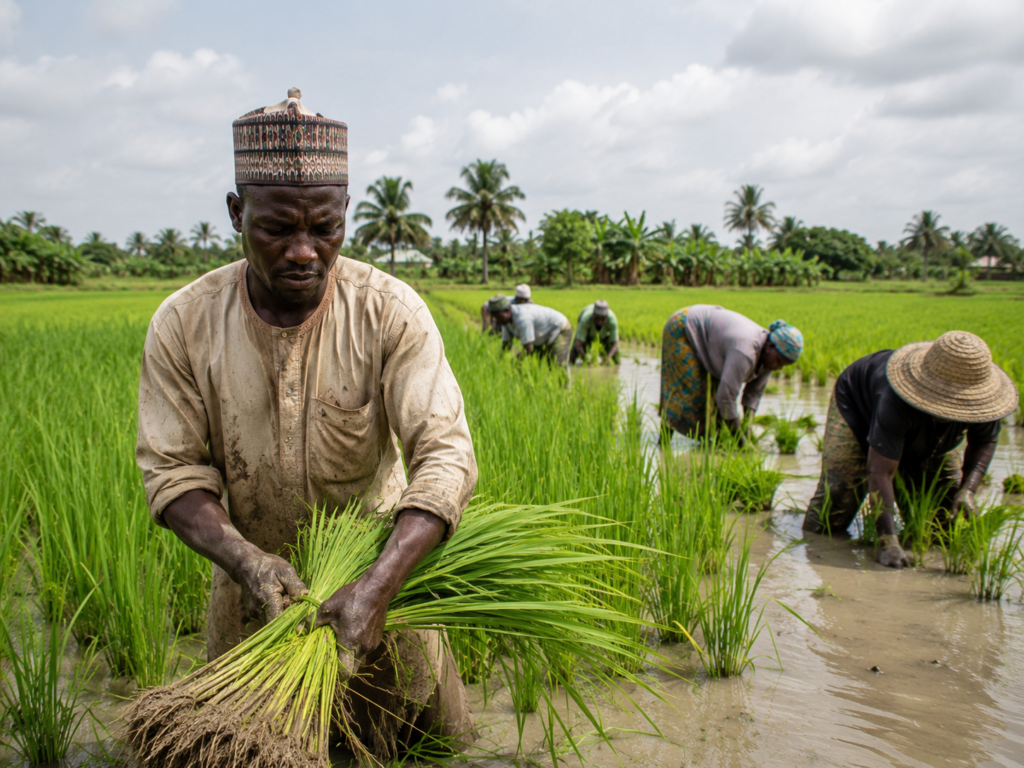

Rice has become one of the most consumed staple foods in Nigeria, making it a major driver of the agricultural economy. From households to restaurants, rice is eaten daily across the country, creating a massive and consistent demand. This growing consumption has positioned rice farming in Nigeria as one of the most promising opportunities for anyone searching for a profitable business in Nigeria.
Over the years, the Nigerian government has invested heavily in promoting local rice production to reduce dependence on imports. As a result, more farmers are entering the industry, and large-scale rice production is expanding rapidly. States in Northern Nigeria, in particular, have become key hubs for rice cultivation due to their favorable climate and access to irrigation systems. This has made rice farming one of the most profitable business ideas in Nigeria, especially for those willing to invest time and resources.
However, despite its potential, rice farming is not without challenges. High production costs, climate variability, and limited access to modern farming equipment can affect profitability. This raises an important question: how profitable is rice farming in Nigeria today?
In this comprehensive guide, we will break down the cost of rice farming in Nigeria, explore profit potential, and provide practical steps to help you succeed in the rice farming business.
What Is Rice Farming in Nigeria?
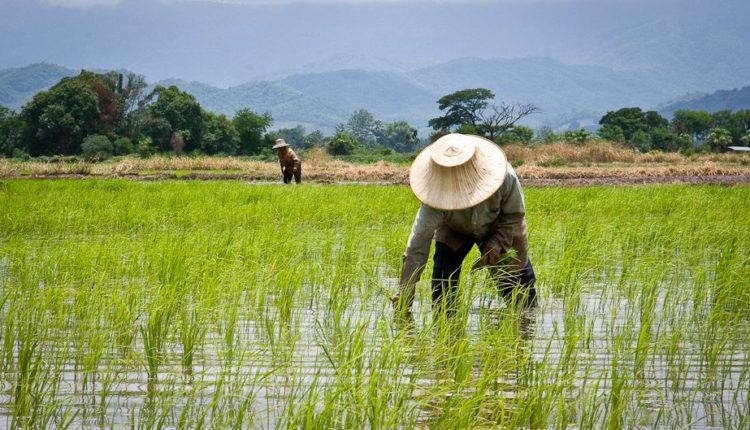
Before diving into costs and profits, it’s important to understand what rice farming involves. Rice farming refers to the cultivation of rice crops for consumption and commercial sale. In Nigeria, rice farming is practiced in different ways depending on location, climate, and available resources.
There are several systems of rice farming in Nigeria, including:
- Upland rice farming (rain-fed, no flooding required)
- Lowland rice farming (grown in swampy or waterlogged areas)
- Irrigation rice farming (controlled water supply)
- Dry season rice farming (using irrigation during dry periods)
Each system has its own cost structure and yield potential. Choosing the right method is essential for building a rice farming business in Nigeria that is both sustainable and profitable.
Read Also: Cassava Farming in Nigeria: How to Start and Succeed as a Beginner
How Profitable Is Rice Farming in Nigeria?
The big question, how profitable is rice farming in Nigeria? The answer depends on several factors such as scale, farming method, and cost management.
Rice farming can be highly profitable due to:
- High and consistent demand
- Government support for local production
- Opportunities for value addition (processing and packaging)
Profit Potential per Hectare
- Average yield: 2–6 tons per hectare (higher with improved methods)
- Market price: ₦400,000 – ₦800,000 per ton (depending on quality and location)
This means a farmer can generate millions of naira from a single hectare under the right conditions.
However, profitability depends on:
- Cost of inputs (fertilizer, seeds, labor)
- Access to irrigation
- Pest and disease control
- Market access
When properly managed, rice farming can become a business with high profit in Nigeria and a reliable source of income.
Cost of Rice Farming in Nigeria
Understanding the cost of rice farming in Nigeria is crucial before starting. Rice farming requires moderate to high capital depending on scale and farming method.
Land Preparation
- Clearing and plowing: ₦30,000 – ₦100,000 per hectare
Seeds
- Improved rice seeds: ₦20,000 – ₦50,000 per hectare
Fertilizer
Using the best fertilizer for rice farming in Nigeria is essential for high yield.
- Cost: ₦50,000 – ₦150,000
Labor
- Planting, weeding, harvesting: ₦50,000 – ₦150,000
Irrigation (for dry season farming)
- Water management: ₦50,000 – ₦200,000
Chemicals and Pest Control
- ₦20,000 – ₦80,000
Miscellaneous Costs
- Transportation, storage, and tools
Total Estimated Cost
The cost of farming one hectare of rice in Nigeria ranges from:
- ₦200,000 – ₦700,000
This makes rice farming more capital-intensive than some other agricultural ventures, but still a strong profitable business to start in Nigeria.
How to Start Rice Farming in Nigeria
Starting a successful rice farming business in Nigeria requires careful planning, technical knowledge, and proper execution. Many beginners fail not because rice farming is unprofitable, but because they skip important foundational steps such as feasibility studies, land selection, and proper crop management. With the right approach, however, rice farming can become a sustainable and highly rewarding agribusiness.
Conduct a Feasibility Study
A feasibility study is the first and most important step before investing in rice farming. It helps you understand whether the business will be viable in your chosen location and scale of operation.
A proper feasibility study on rice farming in Nigeria should assess:
- Market demand: Identify who will buy your rice (local markets, rice mills, wholesalers, or supermarkets).
- Cost structure: Estimate expenses such as land preparation, seeds, fertilizer, labor, and irrigation.
- Risks and challenges: Consider issues like pests, climate conditions, and price fluctuations.
This analysis helps you make informed decisions and reduces the risk of financial loss before starting.
Create a Business Plan
A well-structured business plan acts as a roadmap for your rice farming venture. It guides your decisions, helps you stay organized, and improves your chances of securing funding or partnerships.
A strong rice farming business plan in Nigeria should include:
- Startup costs: Detailed breakdown of land, labor, equipment, and inputs
- Farming method: Whether you will use upland, lowland, or irrigation farming
- Production targets: Expected yield per hectare and expansion plans
- Marketing strategy: How and where you will sell your rice after harvest
- Profit projections: Estimated income and return on investment over time
With a clear plan, you can track progress and build a more sustainable farming business.
Choose Suitable Land
Land selection plays a major role in determining the success of your rice farm. Rice requires specific soil and water conditions to thrive.
The ideal land for rice farming should be:
- Fertile and rich in organic matter
- Capable of retaining water (especially for lowland and irrigation farming)
- Flat or gently sloping for proper water distribution
- Located near a reliable water source if practicing irrigation farming
Lowland and swampy areas are particularly suitable for large-scale production in rice farming in Nigeria.
Prepare the Land Properly
Proper land preparation is essential for achieving high yield and reducing weed competition. This process involves clearing vegetation, plowing, leveling, and preparing bunds to control water flow.
Good land preparation improves soil structure, enhances water retention, and makes planting more efficient. It also reduces weed growth, which can compete with rice plants for nutrients.
Plant Improved Seeds
The quality of seeds used directly affects your harvest output. Improved rice varieties are designed to produce higher yields, resist diseases, and mature faster than traditional seeds.
When planting, ensure proper spacing and planting depth to allow healthy growth and maximum productivity. Poor seed selection can significantly reduce your overall profitability in rice farming.
Apply Fertilizer and Manage Weeds
Fertilizer application is essential for boosting soil nutrients and increasing crop yield. However, it must be applied correctly and at the right stages of growth to avoid damage or waste.
Weed control is equally important because weeds compete with rice plants for water, sunlight, and nutrients. Regular weeding ensures healthy crop development and higher productivity per hectare.
Harvest and Process Properly
Harvesting at the right time is crucial for maintaining grain quality and maximizing yield. Rice should be harvested when it reaches full maturity to avoid losses or reduced quality.
After harvesting, proper processing such as drying, milling, and packaging ensures better market value. Well-processed rice attracts higher prices and improves profitability in the long run.
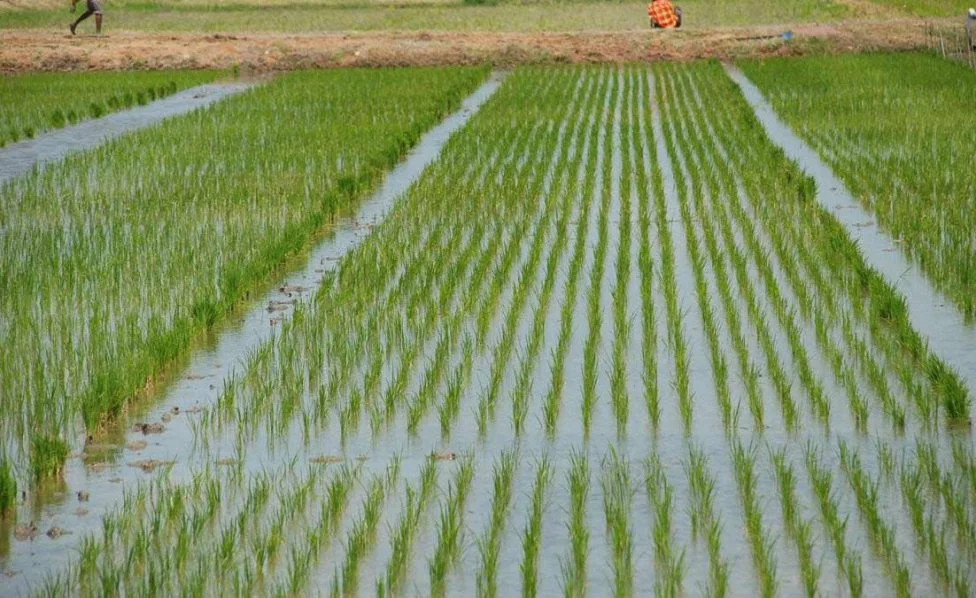
Types of Rice Farming in Nigeria
Understanding different rice farming systems helps you choose the best approach.
Upland Rice Farming
- Rain-fed
- Lower cost
- Suitable for beginners
Irrigation Rice Farming
- Controlled water supply
- Higher yield
- More expensive
Dry Season Rice Farming
- Uses irrigation
- Higher profitability potential
- Requires more planning
Each system offers unique opportunities within the rice farming business in Nigeria.
Advantages of Rice Farming in Nigeria
Rice farming in Nigeria continues to attract investors because of its strong economic potential and consistent demand. When properly managed, it can become one of the best profitable businesses in Nigeria, especially for both small-scale and commercial farmers. Below are the major advantages that make rice farming a worthwhile investment.
High Demand
Rice is one of the most widely consumed staple foods in Nigeria, eaten in homes, restaurants, hotels, and ceremonies almost every day. This creates a large and stable market for farmers throughout the year.
Because demand consistently outpaces local supply, farmers are guaranteed ready buyers, making rice farming a reliable agribusiness venture.
Government Support
The Nigerian government continues to support local rice production through agricultural policies, subsidies, and import restrictions. These efforts are aimed at reducing dependence on imported rice and boosting local production.
This support makes it easier for farmers to access incentives, improved seedlings, and sometimes funding programs that encourage expansion.
Job Creation
Rice farming plays a major role in rural employment by creating jobs in planting, harvesting, processing, and transportation. It supports both skilled and unskilled labor across the agricultural value chain.
As farms expand, they also contribute to reducing unemployment in rural communities, making it a socially impactful business.
Profit Potential
Rice farming has strong income potential due to high yields and large market demand. A well-managed farm can generate significant profits per hectare, especially when improved seeds and modern techniques are used.
This makes it a viable option for investors looking for long-term agricultural returns.
Food Security Contribution
Rice farming helps improve national food security by reducing reliance on imported rice. Increased local production ensures more stable food availability and price control.
This makes rice farming not only profitable but also essential for Nigeria’s agricultural sustainability.
Scalability
Rice farming can be started on a small scale and gradually expanded into large commercial operations. Farmers can increase their land size, adopt mechanization, and improve output over time.
This flexibility makes it suitable for both beginners and large investors.
Value Addition Opportunities
Farmers can increase earnings by processing rice into finished, polished, and packaged products. This allows access to higher-paying markets such as supermarkets and export channels.
Value addition significantly improves overall profitability in rice farming in Nigeria.
Challenges of Rice Farming in Nigeria
Despite its strong potential, rice farming comes with several challenges that farmers must carefully manage. These issues can affect yield, profitability, and long-term sustainability if not properly addressed.
High Input Costs
The cost of fertilizers, improved seeds, labor, and machinery can be very high. These expenses often reduce profit margins, especially for small-scale farmers.
Without proper financial planning, production costs can outweigh returns.
Climate Dependence
Many rice farms still rely on rainfall, which makes production highly dependent on weather conditions. Unpredictable rainfall patterns can lead to crop failure or reduced yield.
Dry season farming requires irrigation systems, which further increases costs.
Pest and Disease Issues
Rice crops are vulnerable to pests, weeds, and diseases that can significantly reduce yield if not properly controlled. Infestations can spread quickly and damage entire fields.
Regular monitoring and proper agrochemical use are required to minimize losses.
Limited Access to Machinery
In many parts of Nigeria, farmers still rely on manual labor due to limited access to modern farming equipment. This reduces efficiency and increases production time and cost.
Mechanization remains expensive and inaccessible for many smallholder farmers.
Poor Storage and Processing Facilities
After harvest, inadequate storage systems can lead to post-harvest losses due to pests and spoilage. Many farmers also lack access to modern processing mills.
This affects both the quality and profitability of harvested rice.
Market Price Fluctuations
Rice prices can vary depending on supply, demand, and government policies. During harvest periods, oversupply can lead to lower prices in the market.
This unpredictability makes income planning more difficult for farmers.
Tips to Increase Profit in Rice Farming
To make rice farming in Nigeria truly profitable, farmers must go beyond basic cultivation and adopt smart, modern strategies. Profit in rice farming is not determined only by yield, but also by cost efficiency, market access, and value addition. When properly managed, rice farming can become one of the most profitable businesses in Nigeria, especially for both small and commercial farmers.
Use Improved Seeds
The foundation of a profitable rice farm starts with the quality of seeds used. Improved and certified rice varieties produce higher yields, mature faster, and are more resistant to pests and diseases.
By using high-yield seeds, farmers can significantly increase output per hectare, which directly improves overall profitability. This is one of the simplest but most effective ways to boost success in rice farming in Nigeria.
Adopt Mechanization
Mechanization involves using modern farming equipment such as tractors, harvesters, and threshers instead of relying solely on manual labor. This approach greatly improves efficiency and reduces the time required for planting and harvesting.
Although the initial cost is higher, mechanized farming reduces long-term labor expenses and increases farm productivity. It is especially important for large-scale rice farming investment in Nigeria.
Practice Good Water Management
Water is a critical factor in rice production, and poor water control can significantly reduce yield. Proper irrigation systems ensure that rice plants receive consistent water supply throughout the growing season.
This is especially important for dry season rice farming in Nigeria, where rainfall is not available. Efficient water management leads to healthier crops and higher production rates.
Apply Fertilizer Correctly
Fertilizer use plays a major role in improving soil fertility and boosting rice yield. However, incorrect application can either waste resources or damage crops.
Farmers should apply fertilizers at the right time and in the correct quantities based on soil requirements. Proper fertilization ensures strong plant growth, better grain quality, and increased profitability.
Target the Right Market
Selling rice at the right market significantly affects profit margins. Farmers who sell directly to rice mills, wholesalers, or large buyers often earn more than those who sell in local markets.
Understanding market demand and timing sales during high-price periods can greatly improve income. This strategy is essential for building a successful rice farming business in Nigeria.
Invest in Processing
Processing rice after harvest adds significant value and increases overall profit. Instead of selling raw paddy rice, farmers can process it into polished, packaged rice for higher market prices.
Value addition also opens up opportunities for branding and supplying supermarkets or distributors. This step transforms rice farming into a more competitive and profitable business to start in Nigeria.
Frequently Asked Questions (FAQ)
1. Is rice farming profitable in Nigeria?
Yes, it is profitable when managed properly with good farming practices.
2. How much does it cost to farm one hectare of rice?
Between ₦200,000 and ₦700,000.
3. Which type of rice farming is best?
Irrigation farming offers higher yields but requires more capital.
4. How long does rice take to grow?
Rice matures in 3–6 months depending on the variety.
5. Can I start rice farming with little capital?
Yes, through upland farming, which requires less investment.
6. What are the major challenges?
High costs, pests, and climate issues.
7. Is dry season rice farming profitable?
Yes, it often yields higher profits due to better control of water supply.
8. What is the best fertilizer for rice farming?
NPK and urea fertilizers are commonly used.
9. Can rice farming be mechanized?
Yes, mechanization improves efficiency and yield.
10. Is rice farming suitable for beginners?
Yes, with proper training and planning.
Conclusion
Rice farming in Nigeria remains one of the most promising agricultural ventures in 2026. With increasing demand for locally produced rice and strong government support, the industry offers significant opportunities for both small-scale and large-scale farmers. Whether you choose upland or irrigation farming, the potential for profit is substantial.
However, success in rice farming requires more than just planting seeds. It demands proper planning, efficient resource management, and a clear understanding of the market. Farmers who invest in improved seeds, proper fertilization, and good water management are more likely to achieve high yields and profitability.
In the end, rice farming is a profitable business in Nigeria for those willing to approach it with dedication and strategy. With the right knowledge and commitment, you can build a successful rice farming business that generates consistent income and contributes to Nigeria’s food security.