

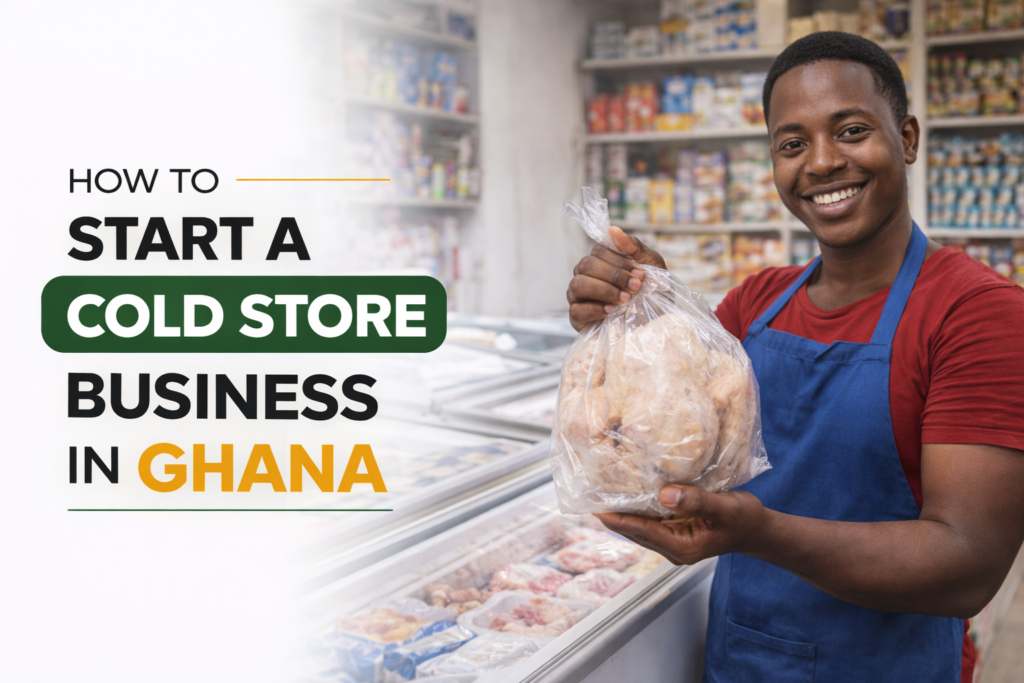

Cold store business in Ghana is built on a problem that has never been solved at scale: the country produces enormous volumes of perishable food, from the fish landed at Tema to the tomatoes harvested in Burkina-adjacent farming communities, and a significant portion of it spoils before it reaches the people who need it. Post-harvest losses in Ghana’s food system run into hundreds of millions of cedis annually.
Cold storage is not a peripheral service in this environment. It is infrastructure. And for the entrepreneur who can put that infrastructure in the right location, maintain it reliably, and connect it to the right buyers and suppliers, a cold store business produces consistent, defensible revenue in a market where the fundamental need is structural and not going away.
Business Models in Cold Storage
The cold store industry in Ghana operates across several distinct models, and the one you enter determines your capital requirement, your customer base, and your day-to-day operations.
Frozen food retail
Frozen food retail covers shops and kiosks that sell frozen fish, chicken, pork, and processed meat products directly to households and chop bars. This is the most accessible entry point in terms of capital and the model most people picture when they think of a cold store business. Revenue is daily, customer relationships are direct, and the business scales by adding freezer capacity and expanding product range.
Cold storage rental and warehousing
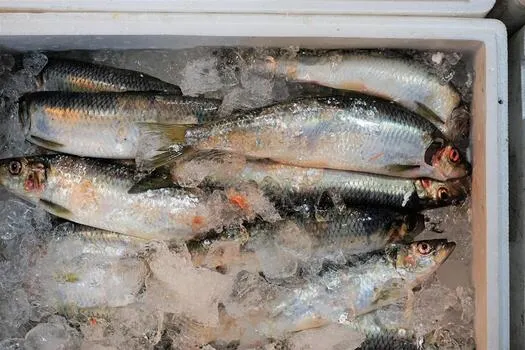
Cold storage rental and warehousing provides refrigerated space to fish traders, poultry farmers, fishermen, and food processors who need to store product without owning their own cold infrastructure. This is a commercial real estate model applied to temperature-controlled space. Revenue comes from storage fees charged per tray, per cubic metre, or per day. The margins are solid for operators in high-supply zones like Tema, Winneba, and Elmina where fish volume is large and seasonal price cycles make short-term storage commercially valuable to traders.
Frozen food wholesale
Frozen food wholesale involves purchasing frozen fish, chicken, and other products in large volumes from importers or landing sites and supplying retailers, chop bars, hotels, and institutions at wholesale prices. This model needs more working capital than retail but generates higher revenue per transaction and builds the kind of recurring buyer relationships that make income more predictable over time.
Mobile cold chain
Mobile cold chain uses refrigerated vehicles to transport perishable goods between suppliers, processors, markets, and institutional buyers. This is among the most underdeveloped segments of Ghana’s cold chain and one with growing demand as food safety awareness increases among institutional buyers including hospitals, schools, and hotel chains.
Solar-powered cold stores
Solar-powered cold stores are a growing entry point for entrepreneurs in peri-urban and off-grid areas where ECG power supply is unreliable. Solar cold store units, several of which are now available through agricultural development programs, reduce the generator dependency that is one of the largest ongoing costs in traditional cold store operations.
Legal and Regulatory Setup
Cold stores handle food products that directly affect public health. The regulatory requirements reflect that responsibility.
Office of the Registrar of Companies
Register your business as a sole proprietorship or limited liability company to receive your Certificate of Incorporation. A limited liability structure is appropriate for any cold store operation involving significant equipment investment or food product liability.
Tax Identification Number
Register with the Ghana Revenue Authority for your TIN. Wholesale buyers, supermarkets, and institutional clients will ask for this before entering any supply arrangement.
FDA Food Hygiene Permit
The Food and Drugs Authority licenses cold store facilities under the Public Health Act, 2012. An FDA inspector assesses your facility layout, temperature management systems, hygiene practices, pest control arrangements, and waste disposal before issuing your Food Hygiene Permit. Operating without this permit and being found during a routine inspection results in immediate closure.
Staff Health Certificates
Every staff member who handles food products must hold a current health certificate from a government-approved hospital confirming they are free of contagious conditions including tuberculosis, typhoid, and hepatitis A.
Business Operating Permit
Your Metropolitan, Municipal, or District Assembly issues the annual BOP for your specific premises. Submit your application alongside your incorporation documents and FDA clearance.
ECG Special Load Connection
Apply to the Electricity Company of Ghana for a Non-Residential or Special Load tariff appropriate for your total refrigeration load. Cold store equipment draws significant power continuously, and your electrical installation must be rated for the combined load of all your cold rooms and freezers.
Location
Location in the cold store business is not just about foot traffic. It is about proximity to supply, proximity to demand, and the quality of the power infrastructure at the specific site.
Fish landing sites and fishing communities including Tema, Elmina, Winneba, Apam, and Keta are natural locations for cold storage rental and wholesale operations. Fish traders who catch or purchase fish in bulk need immediate access to cold storage to protect their product before it can be transported to urban markets or exported.
Urban markets and transport hubs including Accra’s suburbs, Kumasi, Takoradi, and Tamale are the primary locations for frozen food retail. High foot traffic, proximity to chop bars and household buyers, and access to the informal distribution networks that move frozen products through communities all favour these locations for retail cold store businesses.
Peri-urban and satellite communities around Accra and Kumasi are underserved by cold storage relative to the population density and food demand in these areas. Entrepreneurs who establish cold stores in communities like Kasoa, Ashaiman, Amasaman, or Ejisu often face less direct competition than in central urban areas while serving communities with growing demand.
Power infrastructure assessment: Before committing to a site, assess the actual reliability of the ECG connection at that specific location. A cold store in an area with daily or extended power outages faces significantly higher generator fuel and maintenance costs than one with stable grid supply. Visit the area at different times of day and speak with neighbouring businesses about outage frequency before signing a lease.
Equipment and Infrastructure
The equipment decisions in a cold store business are long-term capital commitments that directly determine your product range, your storage capacity, and your operating cost structure.
Cold rooms with PUF panels
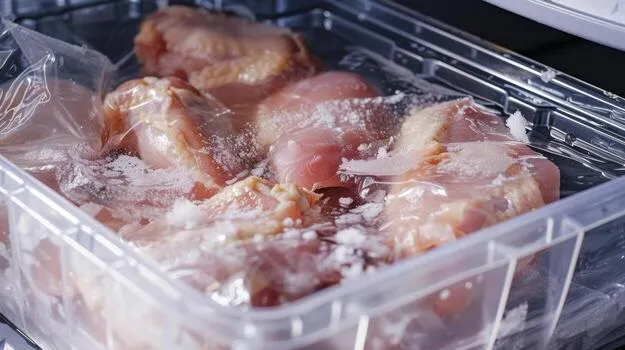
Prefabricated cold room panels using Polyurethane Foam (PUF) insulation are the standard construction method for commercial cold stores in Ghana. PUF panels maintain internal temperatures efficiently with lower ongoing energy consumption than other insulation methods. Cold rooms can be built to custom dimensions and temperature ranges: chilled rooms for short-term storage of fresh fish and produce maintain 0 to 4 degrees Celsius, while blast freezers and deep-freeze storage rooms operate at minus 18 to minus 25 degrees Celsius for long-term frozen product storage.
Refrigeration compressors and condensing units
The refrigeration system that drives your cold room temperature is the most technically demanding and most expensive component of your cold store setup. Work with a certified refrigeration engineer for design, installation, and commissioning. Undersized refrigeration units that struggle to maintain temperature under full product load are among the most common and most costly mistakes in cold store setup.
Standby generator
A generator sized for your full refrigeration load is not optional. It is the single most important risk management investment in a cold store business in Ghana. A power outage without a functional generator can spoil an entire cold room’s inventory in hours. The generator fuel cost is a significant ongoing operating expense that must be built into your pricing structure from the start.
Industrial scales, cutting planks, and handling equipment:
For operations that process and portion fish or meat before sale, commercial cutting and weighing equipment speeds throughput, improves portion consistency, and maintains hygiene standards that prevent cross-contamination between product batches.
Backup monitoring systems
Temperature monitoring alarms that alert you when cold room temperatures rise above target are increasingly affordable and prevent the overnight or weekend temperature creep that spoils product without anyone knowing until opening time.
Commercial Cold Store Business in Ghana
The commercial cold store sector in Ghana sits at the intersection of food security, trade logistics, and agricultural value chain development. Understanding the buyer segments that drive commercial volume shapes every operational decision.
Fish traders and landing site operators are the primary customers of cold storage rental in coastal and port communities. Seasonal fishing peaks produce more fish than can be immediately transported and sold, and traders who can hold product in cold storage for days or weeks gain a significant pricing advantage over those forced to sell at landing site prices during glut periods. A cold store positioned near an active landing site that offers reliable short-term storage contracts to traders can achieve high occupancy rates during fishing seasons.
Frozen food importers and distributors supply the chicken, fish, and processed meat products that move through Ghana’s wholesale and retail cold chain. These businesses need warehousing space between port clearance and distribution, and a well-located cold store with consistent power and adequate capacity attracts this customer segment with relatively little marketing effort.
Hotels, hospitals, and institutional kitchens purchase frozen protein products in weekly or fortnightly bulk quantities and increasingly prefer suppliers who can provide consistent quality, delivery reliability, and basic food safety documentation. A cold store wholesaler who can supply these buyers directly, with the product variety and documentation they need, accesses a buyer segment that pays better and orders more predictably than the open market.
Supermarket supply chains are the premium commercial tier for cold store operators who can meet the product quality, temperature documentation, and delivery schedule standards that formal retail demands. This segment pays the highest prices per kilogram but has the most exacting requirements for consistency and compliance.
Profitability and Financial Realities
Cold store profitability in Ghana is real but heavily dependent on managing the two largest cost drivers: electricity and generator fuel, and product spoilage from temperature management failures.
A retail frozen food cold store in a good urban location generates daily revenue from consistent customer traffic. A cold storage rental operation at a busy fishing community generates rental income from traders whose storage needs are tied to the fishing calendar. Both models produce positive returns for operators who manage their power costs and maintain product quality consistently. Both fail quickly for operators who underestimate generator fuel costs, suffer repeated temperature excursions, or locate in areas where the supply of product or the demand from customers is weaker than initial research suggested.
The startup cost range is wide, from a relatively modest investment for a single-phase retail cold store with one or two chest freezers and a small generator, to a multi-million-dollar investment for a commercial cold room facility with blast freezing capacity and refrigerated vehicle fleet. The model you choose and the scale you start at should match both your capital and your management capacity at the point of launch, with a clear growth path as cash flow builds.
List Your Cold Store on QuePosts
Fish traders, food processors, importers, hotel purchasing managers, and institutional buyers looking for reliable cold storage partners and frozen food suppliers in Ghana often work from a very limited network of known contacts. QuePosts is a digital business directory and discovery portal built specifically for Ghanaian brands and entrepreneurs. A listing gives your cold store business a findable, professional online presence where these buyers can locate your storage capacity, product range, location, and contact details without depending on word-of-mouth referrals alone.
For staffing, the platform’s job posting connects your vacancies for cold room technicians, delivery drivers, fish handlers, sales staff, and security personnel to local job seekers in your operating area.
Cold store businesses in Ghana are not passive investments. They demand daily operational discipline, consistent power management, reliable supplier relationships, and the commercial judgment to price storage and product correctly against the electricity and fuel costs that define the bottom of the margin structure. The entrepreneurs who build profitable cold stores in Ghana are the ones who treat every degree of temperature deviation as a financial event, every power outage as a managed risk, and every buyer relationship as an asset worth protecting.