

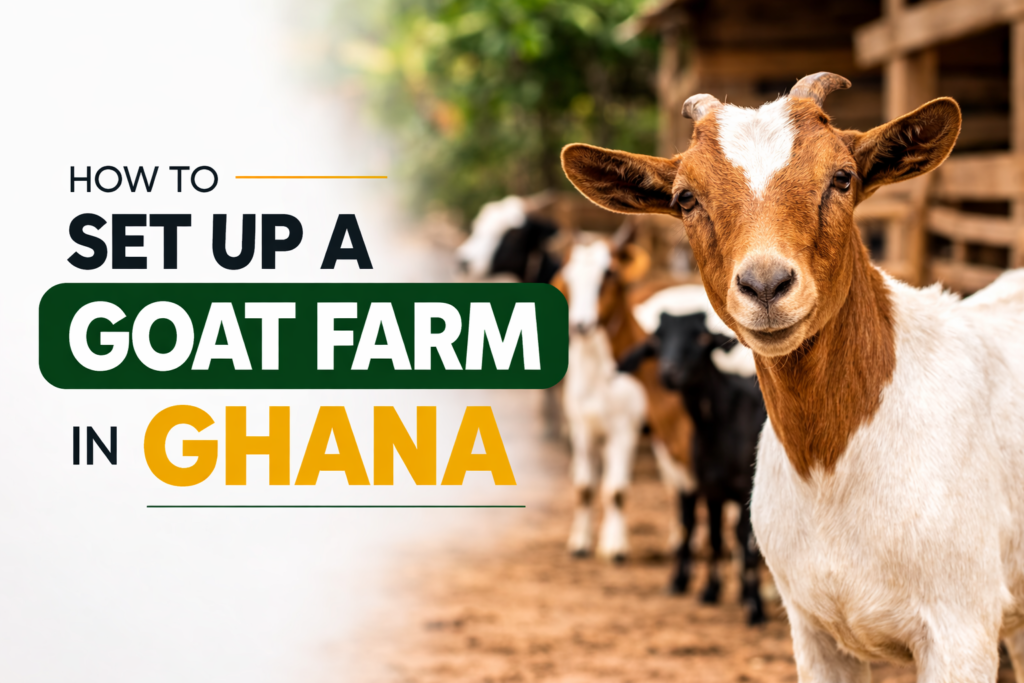

Setting up a goat farm in Ghana is one of the most accessible livestock ventures available to a first-time commercial farmer, and simultaneously one of the most underestimated by the people who enter it without a plan. Goats are hardy animals that tolerate Ghana’s heat better than cattle, reproduce faster than most large livestock, and command consistent demand across every region of the country for meat, ceremonial use, and live sales at markets and festivals.
The domestic goat meat supply gap is well-documented. Imports fill part of what local farms cannot produce. A well-structured commercial goat farm with proper housing, a clear breeding plan, and confirmed buyers does not struggle to find a market. It struggles, as most livestock businesses do, to produce consistently enough to meet the demand that already exists.
Legal and Registration Setup
- Office of the Registrar of Companies: Register your goat farm as a sole proprietorship or limited liability company to receive your Certificate of Incorporation. A registered business can access MoFA input subsidy programs, apply for agricultural financing, and enter formal supply contracts with institutional buyers.
- Tax Identification Number: Register with the Ghana Revenue Authority for your TIN. Hotel and restaurant buyers, abattoirs, and processing companies will ask for this before signing any supply agreement.
- Veterinary Services Directorate: Register your farm with the VSD to access government vaccination programs, veterinary health certifications, and technical support from district animal health officers.
- District Assembly Permit: Your local Metropolitan and Municipal District Assemblies (MMDA) issues the operating permit for livestock farming within your specific zone. Confirm that your chosen site is zoned for livestock use before committing to any construction.
- Land Lease Agreement: Goat farming occupies land for years, not seasons. Secure a documented, witnessed lease agreement of at least five years before investing in housing infrastructure.
Site Selection and Housing
Where you locate your goat farm and how you house your animals determines your disease management burden, your daily labor requirements, and your feed cost for as long as the farm operates.
Site Selection
Choose a well-drained, elevated site with good road access. Poorly drained land causes hoof rot and internal parasite buildup that increases veterinary costs and reduces animal performance across the entire herd. Distance from residential areas reduces noise and odor complaints and lowers disease introduction risk from neighboring animals.
Housing Design
Construct raised wooden or concrete slatted floors elevated at least 60 to 90 centimetres off the ground. Slatted floors allow urine and droppings to fall through, keeping the living surface dry and dramatically reducing the moisture conditions that favor coccidia and worm egg survival. Goats that sleep on wet, feces-contaminated floors have consistently higher parasite loads and lower growth rates than those on raised, clean platforms.
Pen Layout
Separate pens for does (females), bucks (breeding males), kids (young animals), and a quarantine pen for new arrivals or sick animals. Mixing categories causes management problems including early unwanted mating, stress in young animals, and rapid disease spread when a sick animal is introduced to the main herd.
Shade and Ventilation
Adequate shade reduces heat stress, which suppresses feed intake and reproduction rates in Ghana’s dry season. Good airflow through the housing area removes ammonia and humidity that accumulate in enclosed goat pens.
Breed Selection
The breed you stock determines your growth rate, your adaptation to local conditions, and your market positioning.
Local West African Dwarf Goat: The most common breed in Ghana, highly adapted to the local climate and disease environment. Smaller in frame than exotic breeds but significantly more resilient under extensive management conditions. Well-suited for small-scale and entry-level operations and for farmers without access to consistent supplementary feed.
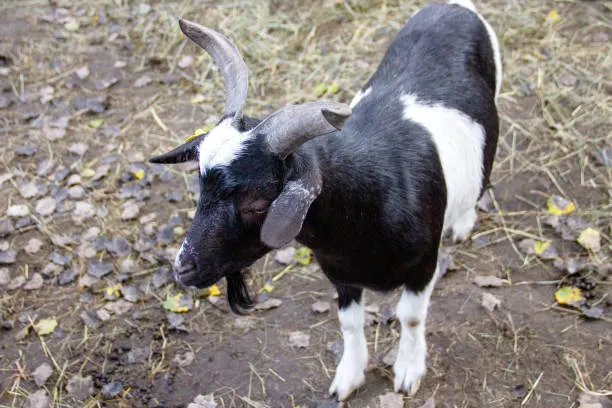
Sahelian/Sahel Goat: Larger-framed than the West African Dwarf, commonly seen in northern Ghana. Produces more meat per animal and is prized for ceremonial markets and festival sales where large live animals command premium prices.
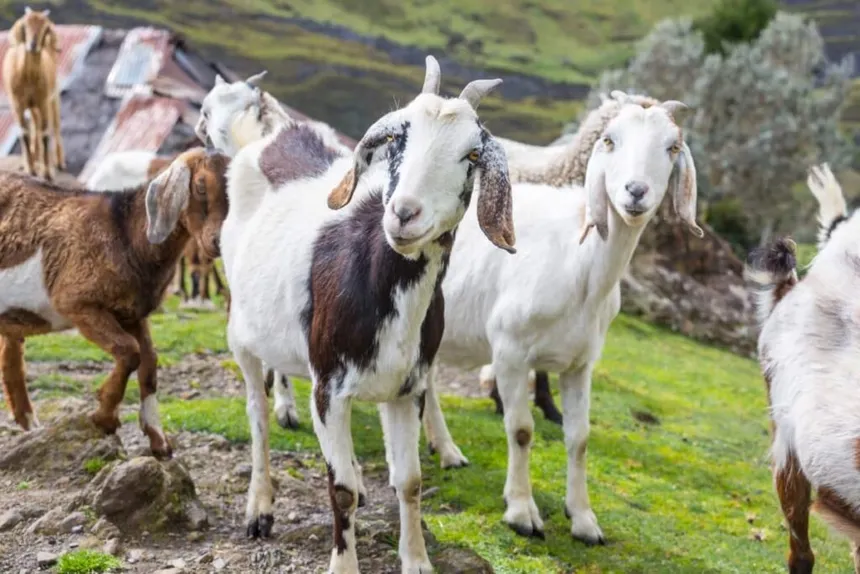
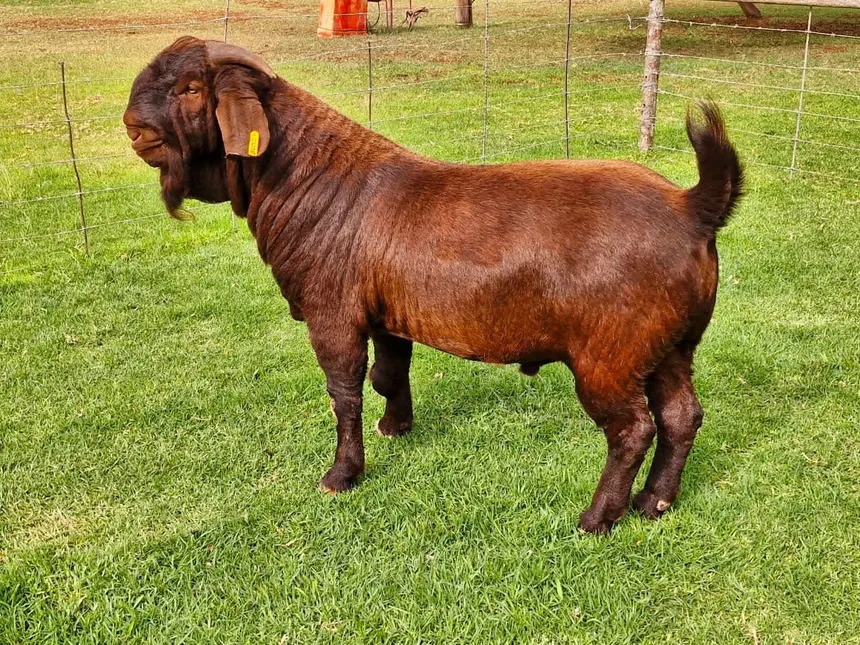
Boer Goat (crossbred): The Boer is a South African meat breed introduced to Ghana through crossbreeding programs. Boer crosses grow significantly faster than local breeds and produce superior carcass weight. They need better nutrition and more attentive health management than local breeds, but the market premium for large, well-finished goats from hotel and abattoir buyers justifies the additional investment for commercial operations.
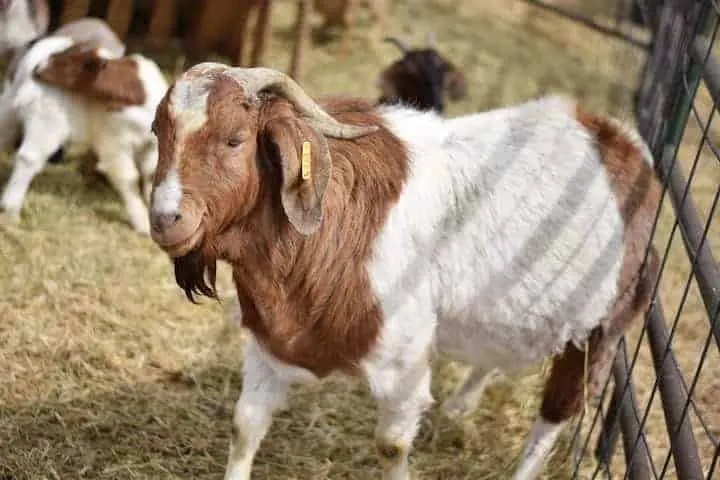
Kalahari Red: A newer introduction to some commercial farms in Ghana, similar in production traits to the Boer but reportedly more heat-tolerant. Still uncommon in Ghana but available through specialist livestock importers.
Commercial Goat Farming in Ghana
Commercial goat farming in Ghana operates across three primary market segments, each with different price points, buyer profiles, and production requirements.
Live animal sales are the dominant revenue model for most Ghanaian goat farmers. Live goats are sold at farm gate, at lorry parks, at periodic markets, and through direct buyer relationships with hotels, restaurants, and event caterers. Prices spike sharply at Eid al-Adha (Eid), Christmas, and Easter when ceremonial demand for live animals pushes farm-gate prices well above baseline. Farmers who manage their breeding calendar to have mature animals ready for these price-peak periods earn significantly more per animal than those selling at off-peak times.
Abattoir and meat supply covers dressed goat carcasses supplied to butchers, hotels, chop bars, and institutional kitchens. This channel removes the live animal transport challenge and allows farmers to supply buyers who cannot manage live animal purchasing. It needs access to a licensed abattoir and a cold chain arrangement for dressed meat delivery.
Breeding stock sales generate premium income for established farms with documented performance records. Farmers who maintain breeding records, select for growth rate and kidding frequency, and can demonstrate the genetic quality of their herd sell breeding bucks and does at multiples of slaughter price. This segment is small in Ghana but growing as commercial producers invest in herd improvement.
Goat and Sheep Farming in Ghana
Goat and sheep farming are frequently grouped together in Ghana because both species are raised as small ruminants under broadly similar management systems, sold through overlapping market channels, and face many of the same production constraints.
The differences between them are commercially significant. Goats are browsers that prefer leaves, shrubs, and woody vegetation. Sheep are grazers that prefer grass and ground-level herbage. A farm that manages both species needs to account for these different forage preferences in its feeding strategy or risk one species being consistently underfed when the available vegetation favors the other.
Sheep in Ghana are raised primarily for meat and ceremonial sales, with the Djallonké (West African Dwarf Sheep) being the most common local breed. Wool production is not commercially relevant in Ghana’s climate and market.
Combined goat and sheep farms are common among smallholders who graze mixed herds on communal land or farm fallow land. At commercial scale, dedicated species management generally produces better performance results than mixed herds because health protocols, supplementary feeding, and breeding management can be applied precisely to each species without compromise.
Goat Farming Business in Ghana
A goat farming business in Ghana is built on three operational pillars that must all function simultaneously: breeding management that produces a consistent supply of market-ready animals, health management that keeps mortality and veterinary costs within budget, and market relationships that convert that production into revenue at the right time.
Breeding Management
Keep a written breeding record for every doe in your herd. Record mating dates, kidding dates, litter sizes, and kid weights at birth and weaning. Does that consistently produce single kids or have poor mothering behavior should be culled and replaced with better performers. A commercial herd with an average kidding interval of 7 to 8 months and an average litter size of 1.5 to 2 kids per doe is performing at a level that makes the business financially productive.
Health Management
Internal parasites (worms) are the most common and most damaging health problem in Ghanaian goat herds. Raised slatted housing reduces reinfection but does not eliminate the need for a strategic deworming program. Work with your district VSD (Veterinary Services Directorate) animal health officer to develop a deworming calendar appropriate for your specific location and parasite pressure. Vaccinate against Foot and Mouth Disease, CCPP (Contagious Caprine Pleuropneumonia), and PPR (Peste des Petits Ruminants) on the schedule recommended by your veterinary officer.
Feed Management
Goats in Ghana are often raised on free-range browsing supplemented with crop residues and kitchen waste. This works at subsistence level but does not produce the growth rates that commercial buyers expect. A commercial goat farm supplying hotel and abattoir buyers needs a supplementary feeding program for growing animals and pregnant or lactating does. Groundnut haulms, cowpea hay, cassava peels, and concentrate feeds are the most commonly used supplements in Ghana’s goat sector.
Financial Considerations
Goat farming profitability in Ghana depends on herd size, breeding efficiency, feed costs, and how well the selling calendar aligns with seasonal price peaks.
A doe that kids twice per year with an average of 1.5 kids per litter produces three kids annually. With a weaning survival rate of 80%, she contributes about 2.4 marketable animals per year to the farm’s output. On a herd of 20 does, annual output is about 48 animals. The commercial value of those animals fluctuates depending on the selling period, the buyer, and the size of the animals at point of sale.
Input costs including housing amortization, feed supplementation, veterinary care, labor, and water are the primary cost drivers. Farms that rely entirely on free-range browsing without supplementary feeding produce animals that reach market weight more slowly, generating lower returns per unit of time invested in the enterprise.
List Your Goat Farm on QuePosts
Hotels, event caterers, abattoir operators, and institutional buyers looking for reliable goat supply in Ghana often have no direct channel to commercial farms outside their immediate geographic network. QuePosts is a digital business directory and discovery portal built specifically for Ghanaian brands and entrepreneurs. A listing on QuePosts puts your farm in front of these buyers with your contact details, herd capacity, and breed information in one place they can actually find.
The platform’s job posting feature is useful as your farm grows. When you need a herdsman, a veterinary assistant, a feed store manager, or a sales contact, QuePosts connects your vacancy to job seekers in the local area already engaged with Ghanaian businesses.
Goat farming in Ghana succeeds when the breeding plan is documented, the housing keeps animals dry, the health program is consistent, and the selling calendar is built around the price peaks that the market reliably delivers every year. The animals are not the variable that most often determines commercial outcomes. The management behind them is.