


Ask any Ghanaian cook what happens to a pot of light soup without pepper and you will get a look that answers the question more clearly than any words could. Pepper farming in Ghana is not a niche agricultural venture. It is the business of supplying one of the most non-negotiable ingredients in the daily diet of a population of over 33 million people, across every region, every income bracket, and every meal of the day.
The market never closes. The demand never disappears. The supply side, on the other hand, is chronically inconsistent, prices spike dramatically during the dry season, and post-harvest losses eat up to 30% of what farmers actually grow. That combination of inescapable demand and structural supply inefficiency is exactly where a well-planned, properly irrigated, commercially managed pepper farm finds its commercial advantage.
Land and Site Selection
The physical conditions of your farm site determine your yield ceiling before you plant a single seedling.
Soil Type
Sandy-loam soil with good drainage is the standard for commercial pepper production. Pepper roots are highly sensitive to waterlogging, which causes root rot and can collapse an entire stand within days. Avoid sites with compacted subsoil or areas prone to standing water after rain.
Production Zones
Established pepper farming areas in Ghana include Greater Accra, the Ashanti Region, and the Volta Region, where soil conditions, temperature ranges, and market proximity combine well for commercial production.
Water Access
A reliable water source is non-negotiable for off-season production, which is precisely when market prices are highest. Proximity to a river, borehole, or dam that can sustain an irrigation system through the dry season separates a farm that earns premium prices from one that produces only during the rainy season when supply is high and prices are low.
Soil Testing
Commission a nutrient analysis through the CSIR-Savanna Agricultural Research Institute (SARI) or your district Ministry of Food and Agriculture (MoFA) office before preparing your beds. Soil pH for pepper should be between 6.0 and 7.0. Testing tells you exactly what amendments your soil needs and saves you from applying fertilizers blindly.
Variety Selection
The variety you choose dictates your market, your buyer, and your price point. Planting the wrong variety for your intended buyer is a season-long mistake.
Local market varieties:
- Legon 18: A hot pepper variety developed locally and well-suited to Ghanaian growing conditions. High yielding, popular in markets, and familiar to processors and household buyers alike.
- Kpakpo Shito: A fragrant, round variety with high demand in Accra and southern Ghana for fresh consumption and shito production. It commands a premium over generic hot pepper in certain markets.
- Bird’s Eye (Cameroon Pepper): Small, intensely hot, and widely used in Ghanaian cooking. Dried bird’s eye pepper has a long shelf life and is easy to transport without cold chain.
Export and specialty varieties:
- Habanero and Scotch Bonnet: High demand from processors producing shito, hot sauce, and spice products, as well as from export buyers in Europe and North America. These varieties command higher prices per kilogram than local varieties but have more exacting quality and consistency expectations from buyers.
- Bell Pepper (Sweet Pepper): Grown for urban supermarkets, hotels, and restaurants where demand for non-hot peppers in cooking and salads is growing. This variety needs more intensive management but earns higher per-unit prices from formal retail buyers.
Registration and Permits
A pepper farm selling to local markets can operate under standard business registration. A farm supplying supermarkets, processors, or export buyers needs additional certifications that take time to secure and should be applied for early.
- Office of the Registrar of Companies: Register your farm as a sole proprietorship or limited liability company to receive your Certificate of Incorporation and access government input subsidy programs through MoFA.
- Tax Identification Number: Register with the Ghana Revenue Authority for your TIN. Institutional buyers and processors will ask for this before entering any supply agreement.
- PPRSD Certification: The Plant Protection and Regulatory Services Directorate of MoFA manages phytosanitary certification for agricultural exports. If you intend to supply EU markets or other regulated international buyers, this certification is a legal pre-requisite. The process involves inspection of your production practices, pesticide usage records, and post-harvest handling procedures.
- Ghana Green Label: A voluntary quality certification that increases your market value with formal retailers including supermarkets and hotel procurement teams. Products carrying the Green Label communicate a verified quality standard that justifies competitive pricing in urban retail channels.
- EPA Pesticide Compliance: All pesticides and herbicides used on your farm must be on the EPA’s approved list. Maintain a written record of every chemical application including the product name, rate, date of application, and the pre-harvest interval observed before picking. Export buyers and certification auditors will ask to see these records.
Infrastructure and Inputs
The investment you make in nursery management and irrigation infrastructure before transplanting determines your production consistency for the entire growing season.
Nursery Management
Pepper seeds are delicate and germinate best in controlled conditions. Use nursery trays filled with sterilized coco-peat or a well-prepared nursery bed. Seedlings are ready for transplanting four to six weeks after sowing, once they have developed two to four true leaves. Transplanting too early produces poor field establishment. Transplanting too late increases nursery disease risk.
Drip Irrigation
Drip systems deliver water directly to the root zone, reduce foliar disease from overhead watering, and use significantly less water than sprinkler or flood irrigation. For off-season production on a commercial scale, a drip system is the most cost-effective and yield-reliable irrigation method available.
Fertilizers
NPK 15-15-15 at basal application establishes solid early root and vegetative growth. Calcium and magnesium supplements reduce blossom-end rot, which is one of the most common and most damaging physiological disorders in commercial pepper production in Ghana.
Organic Manure
Incorporating well-composted poultry or cattle manure into your beds before transplanting improves soil structure, moisture retention, and microbial activity, all of which support consistent yields through a long harvesting period.
Mulching
Plastic mulch or rice straw applied around the base of transplanted seedlings suppresses weeds without herbicide, conserves soil moisture through the harmattan, and moderates soil temperature fluctuations that stress the root zone.
Chilli Pepper Farming in Ghana
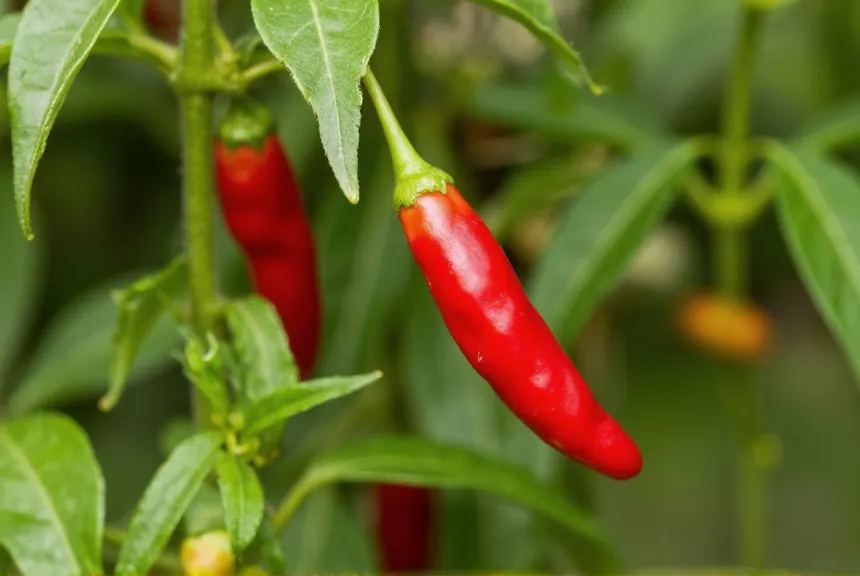
Chilli pepper farming in Ghana spans a wide spectrum from small backyard plots supplying local markets to commercial operations producing for export and industrial processing. The commercial chilli pepper market in Ghana is anchored by demand from shito producers, hot sauce manufacturers, dried pepper packagers, and fresh market traders at central markets.
The business case for commercial chilli production is built on the dry season price premium. During the main rainy season, chilli supply is abundant and prices at major markets are relatively low. Between January and April, when rain-fed farms are not producing and temperatures are at their highest, prices for fresh chilli at wholesale markets regularly triple. Farmers with functional irrigation who plan their transplanting calendar to produce during this window earn margins that rain-fed farmers cannot access.
Drying is the most important value-addition step available to chilli farmers. Dried chilli reduces in weight by about 80%, concentrates the capsaicin content, extends shelf life from days to months, and travels without refrigeration. Farmers who sell dried chilli to processors, exporters, and packaged spice companies earn significantly more per kilogram of original fresh weight than farmers selling only fresh produce.
Green Pepper Farming in Ghana
Green pepper farming in Ghana occupies a distinct market segment from hot pepper production. The buyers are different, the price dynamics are different, and the production management requirements are considerably more intensive.
Green peppers, broadly including bell peppers and mild sweet varieties, serve the hotel, restaurant, supermarket, and home cooking market in Accra, Kumasi, and other urban centres where demand for salad ingredients and mildly flavoured vegetables is growing. This segment is less saturated than the hot pepper market and offers higher prices per kilogram because domestic production is limited and competition from imports on supermarket shelves creates space for local producers who can meet quality and consistency standards.
Green pepper production needs more intensive water and nutrient management than local chilli varieties. Consistent moisture prevents blossom drop, which is the primary cause of low yields in bell pepper production. Calcium applications prevent blossom-end rot. Staking or caging plants prevents stem breakage under fruit load, which is particularly important for bell pepper varieties that carry heavier individual fruits than local chilli types.
The urban retail channel is the primary target market for green pepper farmers. Developing a direct supply relationship with a supermarket, hotel purchasing manager, or fresh produce aggregator before the crop is in the field gives you a confirmed price and volume commitment that open-market selling does not.
Sweet Pepper Farming in Ghana
Sweet pepper farming in Ghana is one of the highest-value vegetable production opportunities available to farmers with access to irrigation and the management capacity to meet formal buyer quality standards. Sweet peppers, including red, yellow, and orange bell peppers sold fresh in supermarkets and hotel kitchens, command retail prices of GHS 15 to GHS 42 per kilogram, significantly above the price of local hot pepper varieties.
The production economics are more demanding than chilli farming. Sweet pepper plants need consistent irrigation, regular fertilization, pest and disease management timed to protect fruit quality during the development phase, and careful harvesting to avoid bruising that causes rapid deterioration.
The market for sweet peppers in Ghana is urban and formal. Supermarkets, five-star hotels, expatriate households, and restaurant chains serving international menus are your primary buyers. Building these relationships involves consistent quality, reliable delivery, and produce that meets the visual and size standards these buyers apply to everything on their shelves and in their kitchens.
Container greenhouse production is used by the most commercially advanced sweet pepper farmers in Ghana to manage temperature, reduce pest pressure, and produce marketable fruit year-round.
Production Timeline and Harvest Management
Understanding the production cycle allows you to plan your planting calendar backward from your target harvest window.
The nursery phase takes about four weeks from sowing to transplant-ready seedlings. The growth phase from transplanting to first fruit set takes eight to twelve weeks depending on variety and temperature. Continuous harvesting can extend three to six months for well-managed plants, with each harvest interval of seven to ten days producing marketable fruit across the plant’s productive life.
Post-harvest handling is where a significant portion of potential revenue is lost on Ghanaian farms. Sorting at harvest to separate damaged, diseased, and undersized fruit from marketable grade, using crates instead of bags for transport, and selling processed dried or paste products when fresh market prices fall are the three practices that most directly reduce post-harvest loss.
Market Strategy
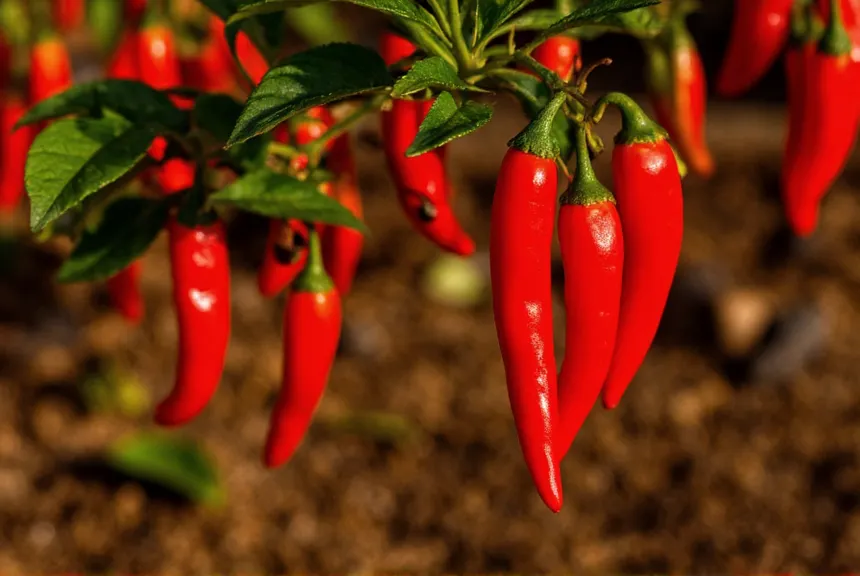
The price at which you sell your pepper is determined by when you sell it, to whom you sell it, and in what form it reaches the buyer.
Off-season production for the January to April window is the single most impactful market strategy available to irrigated pepper farmers in Ghana. This timing window is well-known and increasingly competitive as more farmers invest in irrigation. Securing pre-harvest agreements with buyers before the season begins protects your price against the market volatility that affects spot sellers.
Value addition through drying, blending into paste, or processing into packaged powder extends your revenue window, reduces post-harvest losses, and opens institutional and export markets. A simple solar dryer and a packaging seal machine are a modest investment.
List Your Pepper Farm on QuePosts
Processors, exporters, supermarket buyers, and hotel procurement teams are actively looking for consistent, reliable suppliers of quality pepper in Ghana. QuePosts is a digital business directory and discovery portal built specifically for Ghanaian brands and entrepreneurs. It gives your pepper farm a professional online listing where these buyers can find your production capacity, your variety range, and your contact details directly.
QuePosts also integrates job posting features, so when your farm expands and you need to hire irrigation technicians, harvest laborers, or a sales representative for institutional buyer outreach, you can post those vacancies on the same platform where your business is already listed.
Pepper farming in Ghana is not a passive investment that manages itself between planting and harvest. It is an active, daily management operation where the decisions made about irrigation scheduling, nutrient timing, pest response, and market positioning determine if a season ends in profit or in post-harvest losses that the next season has to recover. Farmers who treat it with that level of commercial seriousness find that the demand side of the equation in Ghana takes very good care of itself.