



A farming business in Ghana sits at the centre of a national conversation that has been going on for decades without resolution: a country with fertile land, two growing seasons, abundant water bodies, and a growing population that imports hundreds of millions of dollars worth of food every single year. That contradiction is not an indictment of Ghanaian soil. It is a gap that a well-planned, properly funded, commercially minded farming operation can step directly into.
The land is available. The demand is documented. What is missing, more often than capital, is the combination of preparation, legal compliance, and market knowledge that turns a farm into a business and not a seasonal gamble. This guide covers the full setup process across crops, livestock, and agribusiness strategy, for anyone serious about farming as a commercial enterprise in Ghana.
Market Research and Business Planning
Every successful farm in Ghana starts with decisions made off the farm, before a seed is purchased or a plot is cleared.
- Identify High-Demand Products: Research which crops, livestock, or value-added products have consistent buyer demand in your target market. Maize, tomatoes, pepper, plantain, cassava, poultry, and fish are among the highest-volume commodities in Ghana’s domestic food market. Niche products including organic vegetables, mushrooms, and moringa command premium prices with a smaller but growing urban buyer base.
- Locate Your Buyers First: The most costly mistake a Ghanaian farmer can make is producing a full harvest with no confirmed buyer. Before planting, identify your offtakers. These could be market traders, food processors, supermarkets, restaurants, schools, or export agents. Knowing your buyer shapes every other decision you make about what to grow, in what quantity, and at what quality standard.
- Business Plan: Draft a written plan that covers your production goals, estimated costs per season, target revenue, and marketing strategy. Even a simple one-page document forces clarity about the numbers behind your farm and gives lenders or investors something concrete to assess.
Land Acquisition and Soil Testing
Land is the foundation of your farming operation, and a single error in how you acquire or assess it can cost an entire season’s investment.
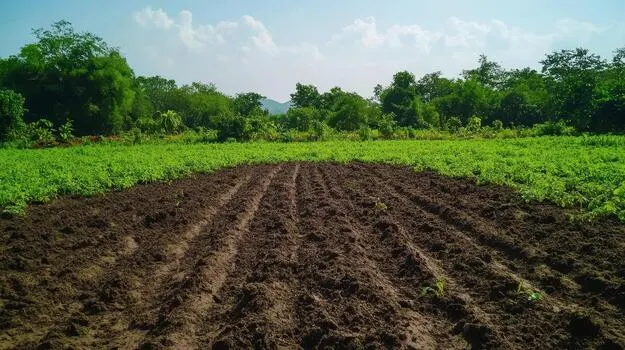
- Secure Suitable Land: Look for plots with fertile soil, reliable water access, and good road connectivity for transporting produce. Valley bottoms and lowland areas are preferred for water-intensive crops and paddy rice. Upland areas with well-drained soils suit root crops, maize, and legumes.
- Legal Registration: Confirm that the land has a clear title free of encumbrances before committing any money. Verify ownership at the Lands Commission and ensure that your lease or purchase agreement is formally documented and witnessed. Land disputes in Ghana have destroyed more farming investments than poor harvests have.
- Soil Testing: Commission a professional soil analysis before deciding what to plant. The results tell you your soil’s pH level, nutrient content, organic matter, and drainage characteristics. Planting the wrong crop on the wrong soil without amendment is one of the most predictable causes of yield failure. The Soil Research Institute in Kumasi and several private labs offer commercial soil testing services.
Business Registration and Funding
Operating a farm as a formal business, as opposed to an informal activity, opens access to subsidies, institutional buyers, and agricultural financing that informal operators cannot touch.
- Registrar General’s Department: Incorporate your farm as a sole proprietorship or limited liability company. A registered business can access government input subsidy programs through the Ministry of Food and Agriculture, enter contracts with institutional buyers, and apply for agricultural loans from banks like ADB (Agricultural Development Bank).
- Tax Identification Number: Register with the Ghana Revenue Authority for your TIN. Formal buyers, processors, and export agents will ask for this before signing any supply agreement.
- Funding Sources: Personal savings remain the most common startup capital source for Ghanaian farmers, but they are not the only one. ADB and other commercial banks offer agricultural loan products for registered farm businesses. MoFA periodically runs input subsidy programs that reduce seed and fertilizer costs for enrolled farmers. NGO grants and development organization funding are also available in specific sectors including women-led farms, youth agribusiness, and climate-resilient agriculture. Farmer cooperatives pool capital and input purchasing to reduce per-unit costs for individual members.
Types of Farming Businesses in Ghana
Ghana’s agricultural sector is broader than the maize and cocoa narrative that most people associate with it. There are commercial farming opportunities across several distinct categories, each with its own economics, buyer base, and production requirements.
Crop farming is the most common entry point. Staple crops including maize, rice, cassava, and yam serve the largest domestic markets and are supported by government subsidy programs. Cash crops including cocoa, cashew, and oil palm offer export revenue potential. Vegetables including tomatoes, pepper, garden eggs, and green leafy produce serve urban retail markets with year-round demand.
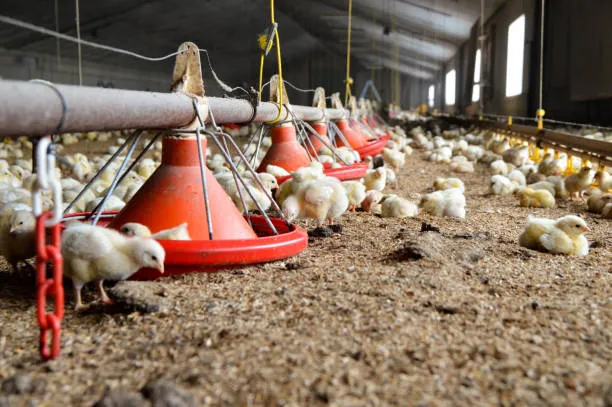
Livestock farming covers poultry, pigs, cattle, goats, and sheep. Poultry, particularly broiler chicken and egg-laying hens, has the shortest production cycle and most accessible startup cost of any livestock category. Grasscutter (cane rat) farming is a growing niche with demand in southern Ghana where it is a culturally preferred meat.
Aquaculture covers tilapia and catfish production in ponds, tanks, and cages. Ghana’s domestic fish deficit makes this one of the most commercially promising farming sectors in the country. Catfish production in tarpaulin or concrete tanks is accessible for small-scale and urban farmers because it does not need large land areas.
Horticulture and specialty farming includes mushroom cultivation, snail farming, beekeeping, and organic vegetable production. These niches serve premium urban markets and export buyers and often generate higher revenue per acre than staple crop production.
Agro-processing converts raw farm output into higher-value products. Cassava can become flour or starch. Maize can become grits or animal feed. Palm fruit can become palm oil. Agro-processing reduces post-harvest losses and adds value before the product reaches the buyer.
Infrastructure and Equipment
A farm without adequate infrastructure loses a significant portion of its output to poor storage, inefficient water management, and post-harvest handling failures.
- Irrigation: Rain-fed farming in Ghana limits most crops to one or two seasons per year. A borehole, pump, and drip or sprinkler irrigation system converts your farm into a year-round production unit, doubling or tripling your annual output from the same land area.
- Storage: A dry, ventilated storage shed for harvested produce prevents the post-harvest losses that consume 20 to 40% of Ghana’s agricultural output before it reaches any market. For perishable crops, a cold room or solar-powered refrigeration unit is worth the investment.
- Fencing: Perimeter fencing protects crops from stray livestock and reduces theft, which is among the most underestimated cost centres on Ghanaian farms.
- Basic Equipment: Hoes, cutlasses, and hand tools remain the foundation for small operations. Power tillers, tractors, sprayers, and harvesting equipment are accessible through mechanization service providers at the district level if you cannot afford to purchase your own.
Quality Inputs and Regulatory Permits
The yield ceiling of your farm is set at the point of input selection. High-quality seeds and healthy breeding stock produce results that poor-quality inputs cannot be managed into.
- Certified Seeds: Buy high-yielding, disease-resistant seed varieties from the Seed Producers Association of Ghana or certified agro-input dealers. Uncertified seeds carry inconsistent germination rates and disease susceptibility that are visible only after planting.
- Fertilizers and Crop Protection: Use approved fertilizers at the correct application rates for your crop and soil type. Excessive fertilizer application damages soil health and burns crops. Pesticide application must comply with the Pesticides and Toxic Chemicals Control Board regulations, and applicators should use certified products with proper protective equipment.
- Water Usage Permit: If your farm draws water from a river, stream, dam, or other natural water body, a permit from the Water Resources Commission is legally mandatory. This applies to farms using pumps or diversion channels for irrigation.
- Pesticide Application License: Farms that use commercial pesticides at scale may be required to register with the Pesticides and Toxic Chemicals Control Board depending on the chemicals used and the volume of application.
Labor and Farm Management
The daily management of a commercial farm in Ghana involves coordinating labor, monitoring crop health, maintaining equipment, and making fast decisions when weather or disease conditions change.
- Skilled Labor: Hire farmhands with hands-on experience in the specific crop or livestock category you are producing. For livestock operations, at least one worker who can identify early signs of disease and administer basic treatment is essential.
- Farm Manager: For operations beyond two acres or twenty animals, a dedicated farm manager who is accountable for daily operations, labor supervision, and record-keeping is worth the salary cost. Owner-managed farms that scale without management delegation consistently run into coordination failures at harvest.
- Record Keeping: Maintain logs of input costs, labor days, yield per plot, mortality rates (for livestock), water usage, and sales. These records are the only way to accurately calculate your profit per season and identify what to improve before the next cycle.
- Crop Calendar: Build a planting and management calendar at the start of every season that maps out land preparation, planting, fertilizer application, pest control, and harvest dates. Missed timing at any stage of the crop cycle has downstream consequences on yield.
Marketing and Sales
Producing a good harvest solves only half of the farming business equation. Converting that harvest into revenue at the right price and the right time is where the commercial skill of farming is most visible.
- Direct Market Sales: Selling directly to bar operators, school feeding caterers, and local retailers removes intermediary margins and gives you more control over your price.
- Institutional Contracts: Schools, hospitals, prisons, and corporate canteens are consistent high-volume buyers of food commodities. Securing a supply agreement with one institutional buyer can anchor your entire season’s revenue.
- Agro-processors and Exporters: Food processing companies and export agents offer stable off-take arrangements for farmers who can supply consistently and meet quality standards. These relationships take time to build but produce more predictable income than open market sales.
- Cooperatives: Joining a farmer cooperative gives you access to collective bargaining on input purchases, shared mechanization equipment, and group supply arrangements that individual farms cannot negotiate alone.
List Your Farm on QuePosts
A well-run farm with consistent produce is only as commercially valuable as the buyers and partners who know it exists. QuePosts is a digital business directory and discovery portal built specifically for Ghanaian brands and entrepreneurs. It gives your farm a professional online listing where food processors, institutional buyers, restaurants, supermarkets, and agro-input suppliers can find your contact details, understand your production capacity, and reach out directly.
QuePosts also integrates job posting features, so when your farm scales and you need to hire a farm manager, irrigation technician, harvest labor coordinator, or sales representative, you can advertise those vacancies on the same platform where your business is already listed, connecting with job seekers in your local area without the cost of traditional recruitment.
Farming in Ghana is not a fallback for those who could not find other work. It is a commercial discipline that rewards people who prepare properly, manage inputs with precision, build market relationships before harvest, and treat every season as a data point for improving the next one. The land, the climate, and the demand are all in place. What each farm needs is the management to convert those raw advantages into consistent, profitable output.