



The restaurant business in Ghana has a way of looking deceptively simple from the outside. You see a full dining room, you smell jollof rice hitting the right temperature, you watch a table of eight order round after round, and the arithmetic seems obvious. What you do not see is the chef who called in sick, the gas supplier who did not show up, the MMDA inspector who arrived without notice, and the POS system that crashed during the Friday evening rush. Ghana’s food service industry is one of the most rewarding businesses you can build here, but it rewards preparation far more than passion. This guide is for the person who wants both, and who intends to get the groundwork right before the first customer walks through the door.
Business Registration and Licensing
Operating a restaurant without the correct documentation in Ghana is not just a legal risk. It is a ceiling on how far you can grow. Hotels, corporate caterers, and food delivery platforms all ask for your licenses before onboarding you.
- Registrar General’s Department: Incorporate your restaurant as a limited liability company or sole proprietorship to receive your Certificate of Incorporation. A company structure is advisable if you plan to bring in investors or open multiple locations over time.
- Ghana Tourism Authority License: The GTA license is mandatory for all catering establishments in Ghana, including restaurants, chop bars, and fast food outlets. Operating without it exposes you to fines and forced closure during routine inspections.
- Health and Suitability Certificate: Your Metropolitan, Municipal, or District Assembly sends inspectors to assess your kitchen layout, food storage, waste disposal systems, and dining area before issuing this certificate. The inspection is thorough, and preparation matters.
- EPA Permit: The Environmental Protection Agency reviews your waste management plan and grease trap setup to confirm your operation meets national environmental standards.
- Fire Certificate: The Ghana National Fire Service issues this certificate after confirming that your fire extinguishers, smoke detectors, and emergency exit routes meet safety requirements.
Getting all five of these in place before you open protects you from the disruption of mid-operation shutdowns, which can permanently damage a restaurant’s reputation in its early months.
Location and Infrastructure
Where you put your restaurant and how you build it out will shape every operational decision that follows. A great menu in the wrong location with an undersized kitchen is a recipe for slow death.
- Site Selection: High-traffic areas in Accra, Kumasi, Takoradi, and other major cities offer the customer volume a new restaurant needs to build momentum. Proximity to office districts, shopping centers, universities, and market areas provides a reliable daily lunch and dinner crowd. Parking availability is a real deciding factor for a large share of Ghanaian restaurant customers who drive.
- Kitchen Layout: Design your kitchen with dedicated zones for raw food preparation, cooking, plating, and dishwashing. Separation between these zones is not just good practice; it is a hygiene and food safety requirement that inspectors check during certification visits.
- Interior Design: Your dining space communicates your brand before a single dish arrives at the table. Lighting, seating comfort, ventilation, noise levels, and general cleanliness all influence whether a first-time customer becomes a regular. The design does not need to be expensive to be effective, but it needs to be intentional.
- Utilities: Consistent clean water is non-negotiable in a kitchen that operates at commercial volume. A generator or solar backup for power outages is essential, since refrigeration, lighting, and POS systems all fail without electricity.
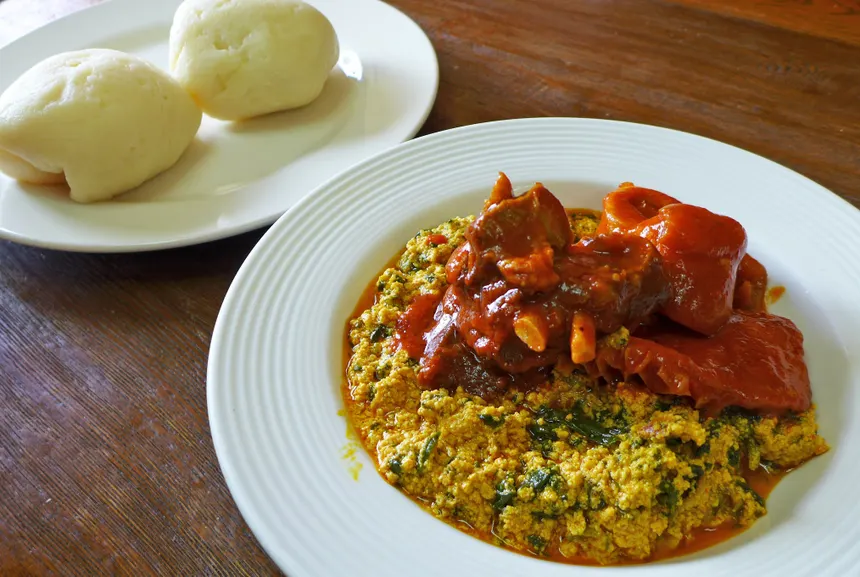
Restaurant Business Registration in Ghana
Many aspiring restaurant owners underestimate how sequential the registration process is. Each document often depends on the one before it, so starting in the wrong order adds weeks of delay.
The recommended sequence:
- Register at the Registrar General’s Department first to receive your Certificate of Incorporation. This is the founding document for every subsequent application.
- Obtain your Tax Identification Number from the Ghana Revenue Authority using your incorporation certificate.
- Apply for the Ghana Tourism Authority license using your business certificate and a completed GTA application form. The GTA may conduct a site visit before issuing the license.
- Once your kitchen and dining area are physically ready, request an inspection from your MMDA to receive the Health and Suitability Certificate.
- Submit your waste management plan to the EPA for environmental clearance.
- Contact the Ghana National Fire Service to schedule a fire safety inspection and receive your Fire Certificate.
Some of these processes can run in parallel once your business certificate is in hand. Working with a local business registration consultant can compress the total timeline from three months to four to six weeks.
Food Safety and Staffing
A restaurant is only as reliable as the people running it. Staffing decisions made in haste at the start of operations tend to cost far more in turnover, mistakes, and reputation damage than they save in wages.
- Medical Screening: Every staff member who handles food must undergo a medical examination and hold a valid Food Handler’s Medical Certificate. This is a legal requirement and a genuine food safety safeguard. Renewal periods change by district, so confirm the schedule with your MMDA.
- Chef Recruitment: Hire experienced cooks who understand the specific cuisine your restaurant intends to serve. For restaurants targeting the Ghanaian market, a chef who can produce consistent kontomire stew, light soup, and banku is worth more than a technically trained cook who has never worked with local ingredients at commercial volume.
- Customer Service Training: Waitstaff are the face of your business. Training on professional etiquette, menu knowledge, complaint handling, and consistent service standards is an investment that pays back in repeat visits and positive word-of-mouth.
- Supplier Network: Build relationships with reliable local farmers, market wholesalers, and cold chain suppliers for consistent access to fresh vegetables, meat, fish, and grains. Single-supplier dependence is a risk. Always have a backup for your most important ingredients.
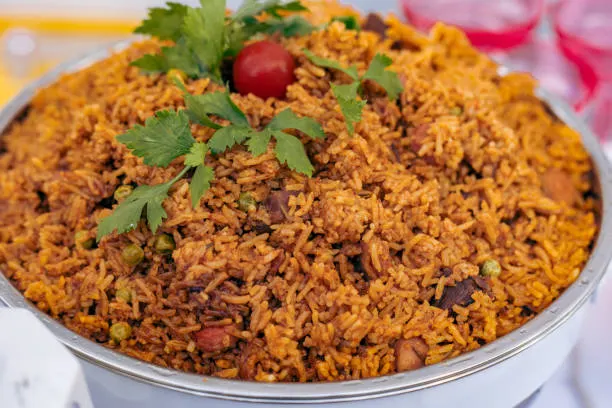
Commercial Restaurant Business in Ghana
The Ghanaian food service market operates across several distinct segments, and understanding which one you are entering shapes every subsequent decision about pricing, staffing, and location.
Casual dining covers everyday restaurants serving Ghanaian staples, rice dishes, and street-food classics in a sit-down environment. This segment serves the widest customer base and generates the highest daily transaction volume. Margins per plate are lower, but volume compensates when the operation is well-run.
Fast food and quick service restaurants serve time-pressed customers in office districts, near schools, and along major commuter routes. Speed of service, consistency, and value pricing are the priorities here. This segment is competitive in Accra particularly, with both local brands and international franchises operating in the same space.
Fine dining and premium restaurants target corporate clients, expatriates, high-income Ghanaian consumers, and special occasion diners. Margins are higher, but customer acquisition is slower, and the investment in decor, trained staff, and premium ingredients is significantly larger.
Catering and event services are a natural extension for established restaurant businesses. Supplying food for weddings, corporate events, and institutional contracts provides large single-order revenue that smooths out the variability of daily restaurant trade.
Most successful restaurant businesses in Ghana start in one segment and expand laterally as they build capital and reputation.
How Profitable Is a Restaurant Business in Ghana
Restaurant profitability in Ghana is achievable, but the margins are not as wide as the busy Friday dinner service makes them appear. Industry benchmarks suggest that a well-managed restaurant should target a net profit margin of 10 to 20% after food cost, labor, rent, and utilities are accounted for.
Typical cost breakdown for a mid-range restaurant:
| Cost Category | Percentage of Revenue |
|---|---|
| Food and beverage cost | 28 to 35% |
| Labor (chefs, waitstaff, security) | 25 to 32% |
| Rent and utilities | 10 to 18% |
| Marketing and delivery commissions | 5 to 10% |
| Miscellaneous and maintenance | 3 to 7% |
| Net Profit (target) | 10 to 20% |
The most common profitability killers in Ghanaian restaurants are untracked food waste, portion inconsistency, revenue leakage at the point of sale, and menus that are not regularly reviewed against actual ingredient costs. A dish priced six months ago at a cost that made sense may be losing money today if the input prices have moved and the menu has not.
Operations and Marketing
Day-to-day management of a restaurant in Ghana is a high-frequency activity. The decisions made each morning at the market, each afternoon in the kitchen, and each evening at the point of sale determine if the month ends in profit or loss.
- Menu Engineering: Design your menu around dishes that balance high customer demand with good profit margins. Not every popular dish is a profitable one. Review your menu quarterly against actual food costs and adjust prices or portions accordingly.
- POS System: A Point of Sale system that tracks every order, every payment, and every inventory movement is essential from day one. It removes the human error and intentional leakage that manual cash handling invites, and it gives you accurate daily revenue data without reconciling paper tickets.
- Digital Presence: Social media presence on Instagram and Facebook, combined with listings on food delivery apps, dramatically expands your customer reach beyond walk-ins. Delivery revenue has become a meaningful income stream for Accra restaurants in particular, where traffic congestion makes dining out less convenient on weekday evenings.
- Loyalty and Repeat Business: Repeat customers are the backbone of a sustainable restaurant business. Simple loyalty programs, consistent quality, and responsive complaint handling cost very little but generate the kind of customer retention that no advertising budget can fully replace.
List Your Restaurant on QuePosts
A restaurant that serves excellent food but cannot be found online is leaving revenue on the table every single day. QuePosts is a digital business directory and discovery portal built specifically for Ghanaian brands and entrepreneurs. It gives your restaurant a professional online listing where food lovers, corporate event planners, hotel guests, and delivery-seeking customers can find your contact details, menu offerings, location, and service hours in one place.
Beyond visibility, QuePosts integrates job posting features that are useful for restaurant owners. The food service industry in Ghana has high staff turnover, and being able to advertise vacancies for chefs, kitchen assistants, waitstaff, cashiers, and delivery riders on the same platform where your business is already listed saves time and reaches a local audience that is already engaged with Ghanaian businesses.
For any restaurant owner building a serious operation in Ghana, QuePosts listing is one of the most cost-effective first steps toward consistent discoverability, buyer credibility, and long-term customer growth.