

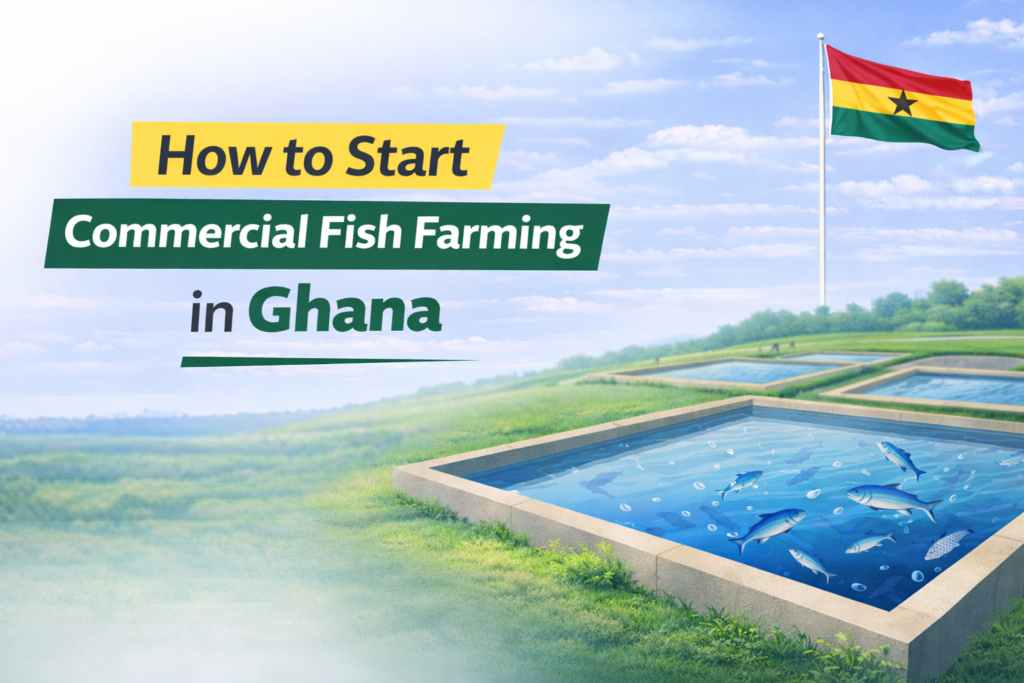

Fish farming in Ghana is a powerful way to secure your financial future while solving the urgent need for fresh protein in our neighborhood markets. Every day, tons of tilapia and catfish are consumed in homes and restaurants across the country, but we still rely far too much on expensive imports to meet that demand. By stepping into this space, you are positioning yourself at the center of a booming industry where the local market is already waiting for your harvest with open arms.
You can choose to build large earthen ponds in rural areas or set up modern plastic tanks right in your backyard if you live in the city. The most important factor is your commitment to the daily routine of feeding and water management because the fish respond directly to how well you treat them. As you master the process of raising fingerlings into bulky, market-ready fish, you will find that the rewards go beyond just money. You are building a sustainable legacy and contributing to a more self-sufficient nation. This guide walks you through everything you need to know to get started.
Legal and Paperwork
Before putting a single fingerling in water, you must get your documentation in order. Operating without the right permits exposes your business to fines and shutdowns.
- Business Registration: Register your business at the Registrar General’s Department to receive a Certificate of Incorporation.
- Fisheries License: Get an aquaculture permit from the Fisheries Commission of Ghana.
- EPA Permit: The Environmental Protection Agency will need to issue you environmental clearance.
- Water Permit: If your farm draws from a river or natural water body, the Water Resources Commission must grant you a permit.
- Local Approval: Your District Assembly issues building and development permits for your farm structures.
Site Selection and Construction
Choosing the right location is one of the most important decisions you will make. A poor site will cost you more money in the long run than it saves upfront.
- Pick land with good road access to make transporting feed, equipment, and fish easy.
- Avoid flood-prone areas. A single flood can wipe out an entire stock cycle.
- Carry out a soil test if you plan to build earthen ponds. The soil must have a high clay content to hold water effectively.
- Choose between earthen ponds (cheapest, best for large-scale operations), concrete tanks (durable, easier to manage), or tarpaulin tanks (affordable and quick to set up for small farms).
- Sink a borehole or set up a clean, permanent pumping system. Water access should never be left to chance.
- Fence the entire perimeter to protect your stock from theft and predators like birds and otters.
Economic Importance of Fish Farming in Ghana
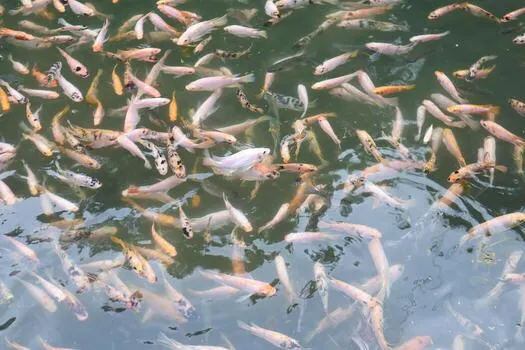
Fish is one of the most consumed sources of animal protein in Ghana, accounting for over 60% of the average Ghanaian’s protein intake. This makes aquaculture far more than a private business venture. Commercial fish farming creates direct employment for farm managers, laborers, feed suppliers, and fish processors. It also supports indirect jobs in transport, equipment supply, and trade. For rural communities in particular, fish farms create steady income where there are few alternatives.
Ghana currently imports significant quantities of fish to fill a domestic supply gap. Local aquaculture farmers who produce at scale are positioned to replace imported fish with locally farmed alternatives, keeping money within the economy and reducing the national trade deficit.
Challenges in Fish Farming in Ghana
Fish farming in Ghana is profitable, but it is not without obstacles. Being aware of these ahead of time helps you plan around them.
- High cost of feed: Fish feed accounts for 60 to 70% of total production costs. Floating pellets are expensive, and poor-quality feed produces poor growth results.
- Inconsistent water quality: Many farms struggle with pH fluctuations, low oxygen levels, and contaminated water sources, all of which can lead to mass mortality.
- Limited access to certified fingerlings: Finding certified, disease-free fingerlings from reputable hatcheries is difficult in some regions of Ghana.
- Market access: Small-scale farmers without established buyers often sell at a loss during harvest season when supply is high.
- Theft: Fish theft is widespread and can silently erode profits before harvest.
- Climate variability: Dry seasons affect water levels and temperature, particularly for farmers using open ponds without boreholes.
Inputs and Equipment
Stocking your farm with the right inputs from the start saves money and prevents losses.
- Fingerlings: Source Tilapia or Catfish juveniles from a certified hatchery. Always inspect fingerlings for visible signs of disease before purchase.
- Feed: Buy high-quality floating pellets. Sinking feed that goes uneaten rots at the bottom and spoils water quality.
- Equipment: You will need water pumps, aerators (for oxygenating water), weighing scales, and harvesting nets.
- Water testing kits: pH meters and thermometers are non-negotiable. Test your water at least twice a week.
Backyard Fish Farming in Ghana
You do not need large acreage to start. Backyard fish farming has become increasingly popular among urban and peri-urban Ghanaians who want to supplement their income or produce food for their households.
A standard backyard setup uses tarpaulin tanks ranging from 3,000 to 10,000 liters, which can be installed in a compound, rooftop, or small yard. Catfish is the most popular choice for backyard systems because it tolerates lower oxygen levels than Tilapia and grows quickly.
The startup cost for a small backyard unit can be as low as GHS 3,000 to GHS 8,000 depending on tank size and the number of units. With proper feeding and water management, a 6-month production cycle can yield a meaningful return. Many Ghanaians running backyard farms sell directly to neighbors, local chop bars, and through social media, cutting out the middleman entirely.
Risks in Fish Farming in Ghana
Every business carries risk, and fish farming is no different. Understanding these risks protects your investment.
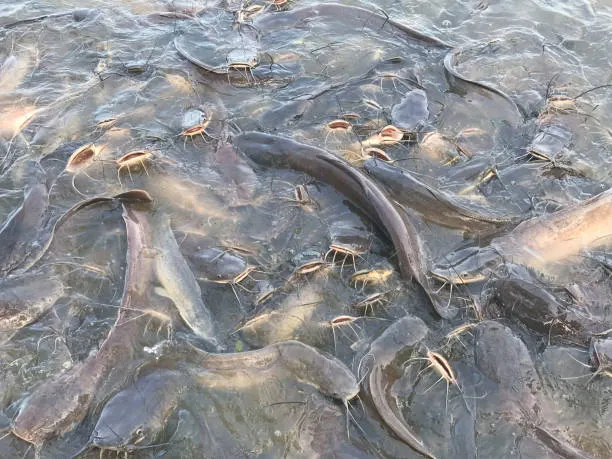
- Disease outbreaks: Bacterial and fungal infections can spread rapidly in overcrowded tanks. Always quarantine new fingerlings before introducing them to your main stock.
- Sudden mortality: Oxygen depletion, especially at night, can kill an entire pond in hours. Aerators and backup power are essential.
- Feed price volatility: The cost of imported fish feed ingredients rises with the exchange rate. Locking in bulk feed purchases when prices are low can protect your margins.
- Market price collapse: Selling at the same time as many other farmers causes prices to drop. Stagger your harvests or establish pre-orders ahead of time.
- Power outages: Farms that depend on electric pumps and aerators are vulnerable during load-shedding. A generator or solar-powered backup is a smart investment.
Operations and Sales
Day-to-day management determines whether your farm is profitable or not.
- Hire a farm manager or workers with real hands-on experience in fish handling and water management.
- Group fish by size to avoid cannibalism, particularly with Catfish which are aggressive feeders.
- Start building your buyer network at least 2 months before harvest. Reach out to hotels, restaurants, and catering companies.
- Keep a daily log covering feed used, mortality counts, water changes, and any observations. Good records show patterns that save money.
Tools for Farming and Fishing Used in Ghana
Both traditional fishers and commercial farmers rely on a combination of modern and locally adapted tools.
For pond and tank farming:
- Cast nets and seine nets for harvesting
- Oxygen aerators and water pumps
- Feed dispensers and weighing scales
- pH and ammonia testing kits
- Harvesting baskets and live fish transport containers
For artisanal and coastal fishing:
- Dugout canoes and fiberglass boats
- Gill nets, cast nets, and traps
- Smoking kilns and drying racks for post-harvest processing
Investing in good tools from the start reduces physical labor, cuts post-harvest losses, and improves the quality of fish that reaches your buyers.
List Your Fish Farm on QuePosts
Once your farm is up and running, visibility is everything. QuePosts is a digital business directory and discovery portal built specifically for Ghanaian brands and entrepreneurs. It gives your fish farm a dedicated listing where potential buyers, restaurants, hotels, and individual customers can find your contact details and learn about what you offer.
Beyond a simple listing, QuePosts also integrates job posting features, so as your farm grows and you need to hire a farm manager, feed handlers, or sales staff, you can advertise those vacancies directly on the same platform. It is one of the few tools in Ghana where a small agribusiness can build online credibility, attract buyers, and recruit talent all in one place. Getting listed on QuePosts is a practical first step toward building a consistent customer base and making your fish farm a recognized brand in your community.
Building a successful commercial fish farming in Ghana venture requires a mix of technical discipline and smart market positioning. If you follow the right registration steps and maintain strict water quality standards, your farm can quickly become a primary supplier for local retailers and households. Focus on consistent growth and reliable record-keeping to ensure your business remains profitable and sustainable for years to come.