

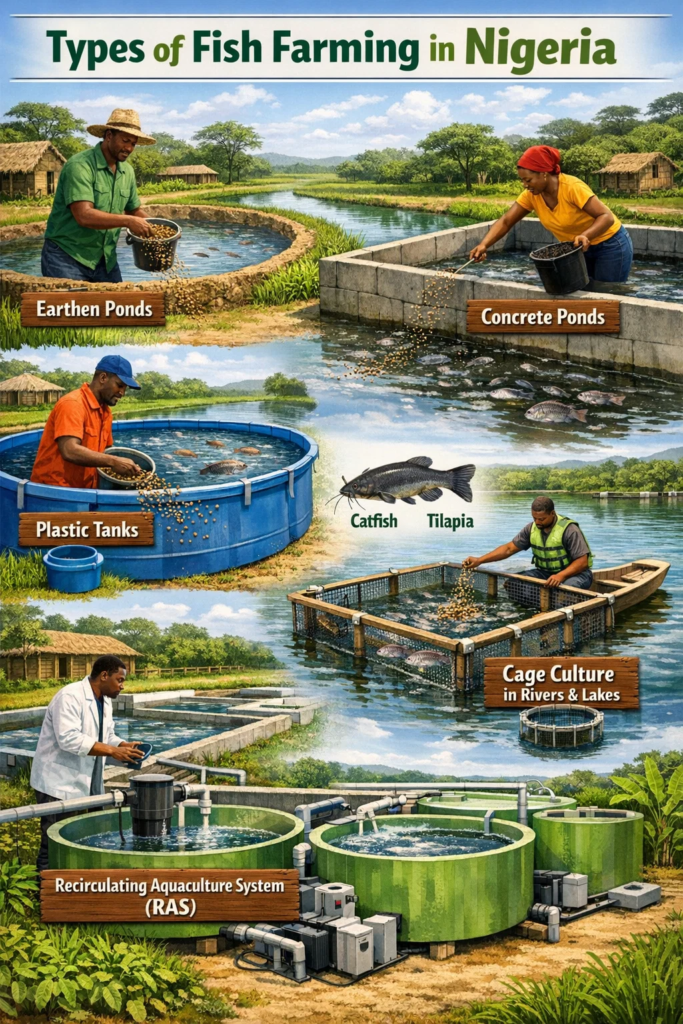

Fish farming has become one of the fastest-growing agricultural ventures in Nigeria. With increasing demand for affordable protein, rising unemployment, and the push for local food production, aquaculture offers a reliable income source for individuals, families, and agribusiness investors.
If you’ve ever wondered what fish farming is, how it works, or which method is most profitable, this guide explains the major types of fish farming in Nigeria, their costs, and how to choose the right system for your budget and space.
What is Fish Farming?
Fish farming, also known as aquaculture, is the practice of raising fish in controlled environments such as ponds, tanks, or enclosures for commercial or domestic purposes. It is the cultivation, breeding, and harvesting of fish under managed conditions to supply food and generate income.
Fish farming in Nigeria commonly involves catfish and tilapia because they adapt well to local climate conditions and have strong market demand.
Types of Fish Farming in Nigeria?
While there are several aquaculture systems, the three primary types of fish farming in Nigeria practiced in Nigeria include:
- Pond Fish Farming
- Tank Fish Farming
- Cage Fish Farming
Each method differs in setup cost, management requirements, and profitability.
1. Pond Fish Farming
Pond fish farming is the most common and traditional aquaculture method in Nigeria.
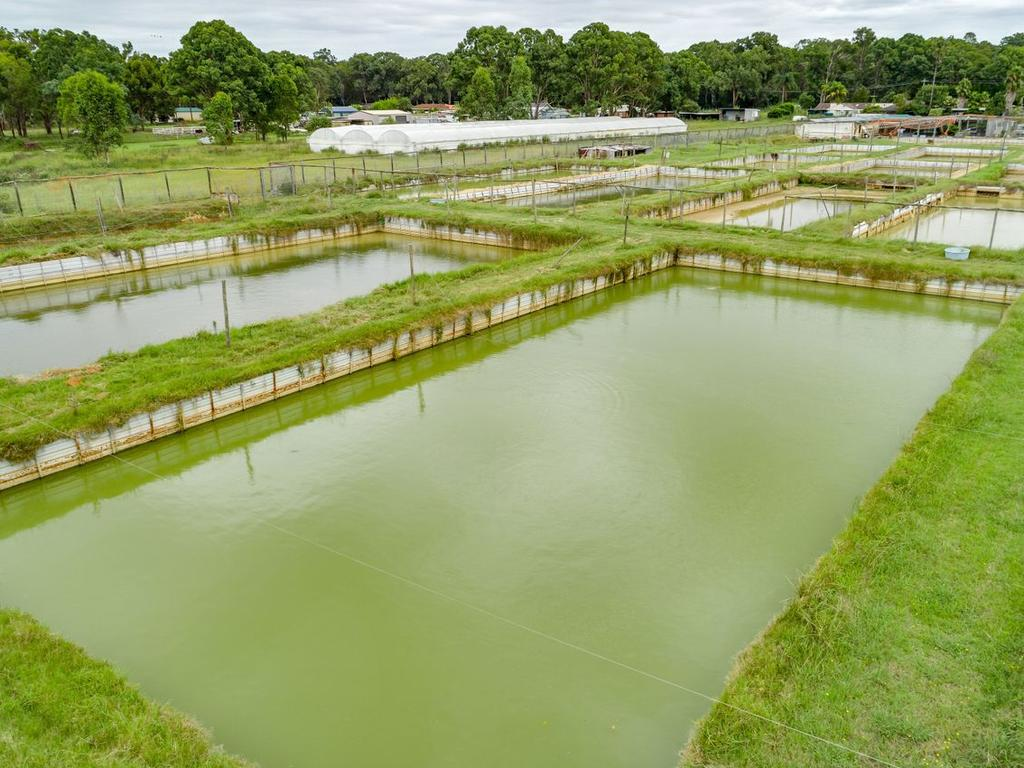
Types of Ponds for Fish Farming
- Earthen ponds
- Concrete ponds
- Tarpaulin ponds
- Plastic-lined ponds
Low Cost Fish Farming Pond Design
Tarpaulin ponds and earthen ponds are popular for farmers seeking affordable setups.
Advantages
- Natural environment promotes fish growth
- Lower feeding costs in earthen ponds
- Suitable for large-scale production
Disadvantages
- Requires space
- Risk of flooding or water contamination
- Harder to control predators
Estimated Cost
- Earthen pond: 80,000 – 300,000 naira
- Tarpaulin pond: 40,000 – 120,000 naira
- Concrete pond: 150,000+ naira
Profitability
Very profitable when properly managed, especially for catfish farming in Nigeria.
2. Tank Fish Farming
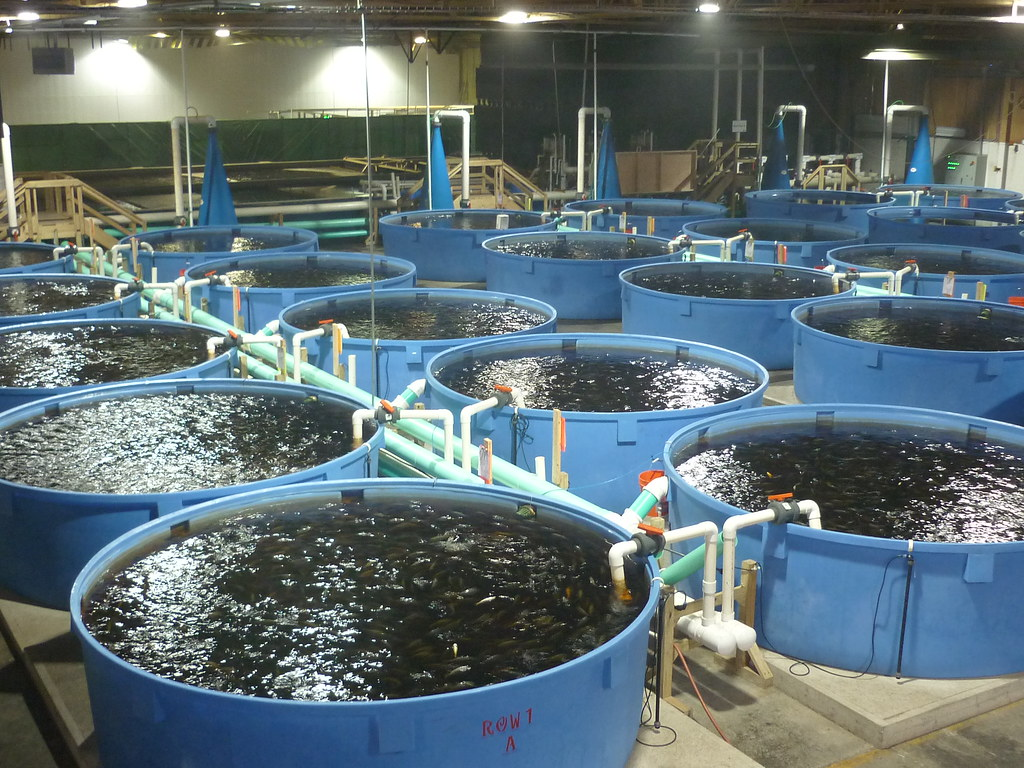
Tank fish farming involves raising fish in plastic, fiberglass, or concrete tanks. This method is ideal for home backyard fish farming and urban environments.
Plastic Tank for Fish Farming in Nigeria
Plastic tanks are widely used due to affordability and ease of installation.
Advantages
- Suitable for small spaces and urban homes
- Easy water management
- Better disease control
- Portable and beginner-friendly
Disadvantages
- Requires regular water changes
- Higher feed dependency
- Limited stocking capacity
Estimated Cost
- Plastic tanks: 30,000 – 150,000 naira
- Plumbing & setup: 20,000 – 50,000 naira
Profitability
Excellent for small-scale fish farming at home and steady local supply.
3. Cage Fish Farming
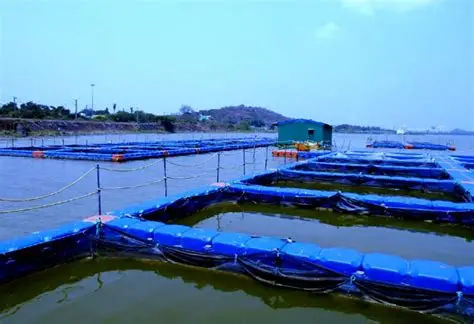
Cage fish farming is practiced in natural water bodies such as lakes, reservoirs, and rivers. Fish are raised inside floating cages while water flows freely.
Advantages
- No land required
- Natural water flow reduces pumping costs
- Suitable for large-scale production
Disadvantages
- Requires government permits
- Risk of water pollution
- Vulnerable to theft and environmental hazards
Estimated Cost
- Small cage setup: 200,000+ naira
- Large commercial systems cost significantly more
Profitability
Highly profitable when operated at commercial scale.
Other Types of Fish Farming in Nigeria
Beyond the primary systems, several modern types of fish farming in Nigeria are gaining attention.
1. Recirculatory Aquaculture System (RAS)
- Reuses water through filtration
- Ideal for indoor fish farming
- High setup cost but efficient
2. Integrated Fish Farming
Combines fish farming with poultry or crop farming. Poultry and fish farming together allows poultry waste to serve as pond nutrients.
3. Tilapia Fish Farming
Tilapia grows quickly and reproduces easily, making it popular among health-conscious consumers.
Types of Fish Commonly Farmed in Nigeria
Types of fishes commonly fish farmed in Nigeria includes;
Catfish Farming
- Most popular and profitable
- Fast growth (4–6 months)
- Strong market demand
Tilapia Fish Farming
- Healthy and widely consumed
- Fast reproduction
- Suitable for cage systems
Heterobranchus (Hybrid Catfish)
- Faster growth
- Larger size
- Premium market value
How Profitable is Fish Farming in Nigeria?
Fish farming business profitability depends on management, feeding, and market access.
Example Profit Estimate (Small Scale)
- 500 catfish stocked
- Harvest after 5 months
- Selling price: 1,500 naira per fish
Potential Revenue: 750,000 naira
Estimated Costs: 350,000 – 450,000 naira
Potential Profit: 300,000 naira + per cycle
Profit margins increase with experience and scaling.
How to Start Fish Farming at Home
Fish farming for beginners can start in a backyard or small compound.
Easy Steps:
- Choose plastic or tarpaulin tanks
- Source quality fingerlings
- Use clean water supply
- Feed consistently
- Monitor fish health
- Harvest and sell locally
Home fish farming is ideal for small-scale fish farming in Nigeria.
Risk Factors in Water and Fish Farming
While considering the different types of fish farming in Nigeria, you must understand that there are some risks in the business to consider. Understanding risks helps protect your investment. Some of the common risk factors are;
- Poor water quality
- Oxygen shortage
- Disease outbreaks
- Overcrowding
- Flooding and environmental contamination
- Market price fluctuations
Proper management reduces these risks significantly.
Fish Farming Business Plan Essentials
A solid fish farming business plan helps secure funding and guide operations. Your plan should include:
- Startup costs and budget
- Farming method chosen
- Market analysis
- Feeding schedule and growth cycle
- Risk management strategy
- Sales and distribution plan
Whether creating a fish farming project proposal or business plan PDF, clarity improves success rates.
How to Start Fish Farming for Beginners: Tips for Success
As a beginner looking to start fish farming, here are some tips on how to navigate the industry.
Start small and expand gradually
Begin with a manageable number of fish so you can learn the basics without becoming overwhelmed. Starting small helps you understand feeding patterns, water management, and disease control. As you gain experience and confidence, you can scale up your production and infrastructure.
Buy fingerlings from reputable hatcheries
Healthy fingerlings are the foundation of a successful fish farm. Purchase from trusted hatcheries to ensure they are disease-free, fast-growing, and well adapted to your local environment. Poor-quality fingerlings often lead to slow growth, high mortality, and financial loss.
Maintain clean water conditions
Water quality directly affects fish health and growth. Regularly check water color, odor, and temperature, and ensure proper oxygen levels. Remove waste, leftover feed, and debris to prevent contamination. Clean water reduces stress, disease outbreaks, and mortality rates.
Feed high-quality fish feed
Nutritious feed promotes faster growth and improves fish survival rates. Choose feed appropriate for the fish species and growth stage. Feed at consistent times and avoid overfeeding, as excess feed can pollute the water and increase production costs.
Keep proper financial records
Record all expenses, feed usage, growth rates, and sales. Proper bookkeeping helps you track profit, identify waste, and plan future expansion. Understanding your financial flow ensures the business remains sustainable and profitable.
Join fish farming training programs
Training programs and workshops provide practical knowledge on modern fish farming techniques, disease management, and business strategies. Networking with experienced farmers also exposes you to best practices and helps you avoid common beginner mistakes.
Starting fish farming with the right knowledge and discipline increases your chances of building a profitable and sustainable aquaculture business.
Final Thoughts
Fish farming in Nigeria offers a practical pathway to financial stability and food security. As you explore the different types of fish farming in Nigeria, remember to choose a system that matches their budget, space, and production goals.
Whether you are exploring home backyard fish farming, launching a fish farming business, or developing a long-term aquaculture investment, success depends on selecting the right method, managing water quality, and understanding market demand.
By starting small, applying best practices, and scaling strategically, fish farming can become a sustainable and highly profitable venture in Nigeria’s growing agricultural economy.