

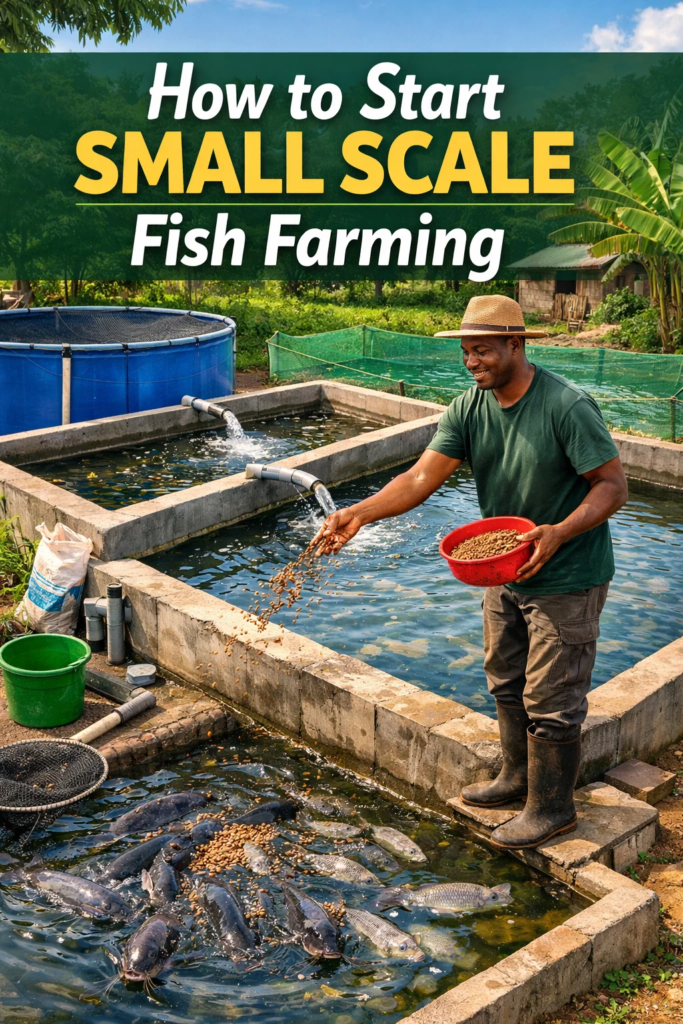

Small scale fish farming in Nigeria has grown from a simple subsistence activity into a profitable agribusiness opportunity. With a rapidly increasing population, rising demand for affordable protein, and the strong market value of species like catfish and tilapia, small-scale fish farming offers a practical path to steady income and food security.
Nigeria is not only a major consumer of fish but also a production powerhouse. The country ranks first in Sub-Saharan Africa and second on the continent, leading in the production of African catfish (Clarias gariepinus) and African bonytongue (Heterotis niloticus). The fisheries sector contributes significantly to livelihoods and the blue economy, accounting for roughly 3–4% of GDP, while maritime trade contributes about 1.6%.
Despite this progress, challenges such as limited disease-control technology, high feed costs, weak safety systems, and poor transportation infrastructure continue to affect productivity and distribution. With improved infrastructure, modern technology, and supportive policies, Nigeria’s aquaculture sector could expand even further, creating jobs and strengthening food security.
Whether you’re looking for a side hustle, a full-time venture, or a way to supply your community with affordable protein, this guide will walk you through how to successfully start smalls cale fish farming in Nigeria.
Why Fish Farming is Profitable in Nigeria
Nigeria consumes more than 3 million metric tons of fish each year, making fish one of the most important and widely eaten sources of protein in the country. However, local production still falls significantly short of meeting this demand, forcing the nation to rely heavily on imports to bridge the supply gap.
This shortfall creates a strong and consistent market for locally farmed fish. For fish farmers, it means there is always a ready market, stable demand, and strong income potential. As consumers increasingly prefer fresh, locally produced fish over imported alternatives, small- and medium-scale fish farming continues to present a reliable and profitable business opportunity.
Key Benefits
- High demand and quick turnover.
- Requires relatively small startup capital.
- Relatively cheap source of protein for the masses.
- Fish grows fast and reproduces quickly so turnover is great.
- Suitable for both rural and urban environments.
- Provides a reliable income stream.
Catfish farming, in particular, is popular due to its hardiness, fast growth, and strong market demand.
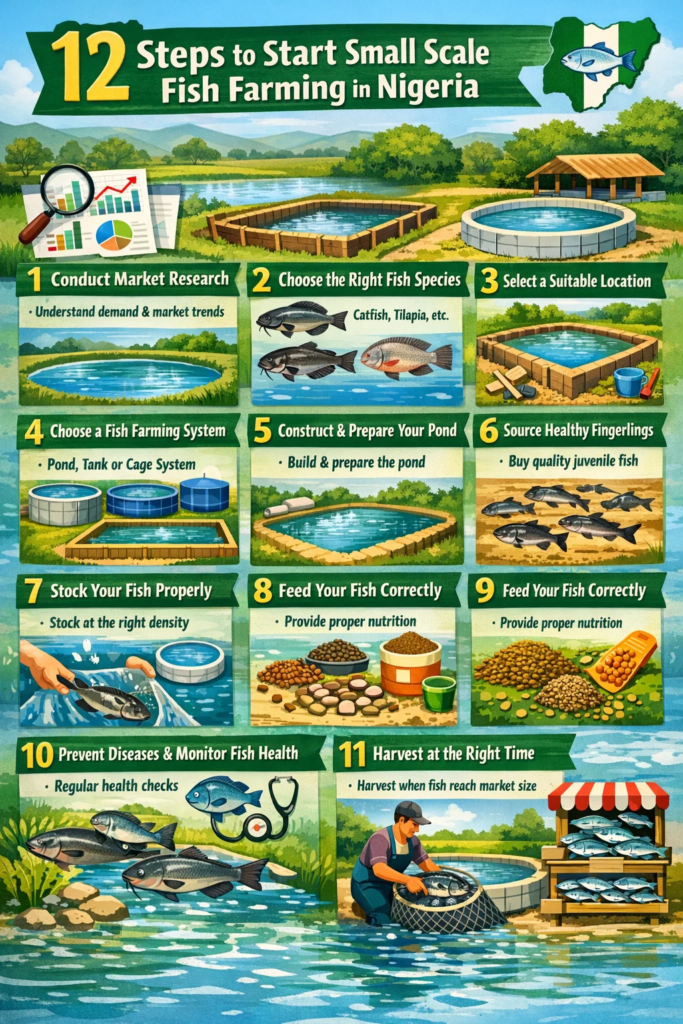
12 Steps to Start Small Scale Fish Farming in Nigeria
The steps written below are tailored to cater to small scale fish farmers in Nigeria. A larger scale business would require twice or thrice the efforts and resources. Here are the steps:
Step 1: Conduct Market Research
Before setting up your fish farm, take time to understand your market and demand. Conduct your own research rather than relying on assumptions. Engage with fish farmers in your area and ask questions about the advantages and challenges of the business. Avoid depending on the opinion of just one farmer, gather insights from at least five different farms to make a well-informed decision. Here are some questions to ask during your research:
- Who will buy your fish? (restaurants, households, markets)
- Which species sells best in your area?
- What size do customers prefer?
- What is the current market price?
In Nigeria, catfish is widely preferred due to its taste, affordability, and suitability for pepper soup and grilled dishes. Understanding demand helps you avoid losses and maximize profits.
Step 2: Choose the Right Fish Species
Selecting the right species is critical to the success of your fish farm. Several factors should guide your choice, including local demand, climate, growth rate, and feed availability. For example, if you plan to establish a fish farm in an area where eating catfish is considered taboo, it would be wiser to farm other species that are widely accepted and marketable in that community.
Common Fish Species for Nigerian Farmers
1. Catfish
- Fast growth rate
- High survival rate
- Strong market demand
- Easy to manage
2. Tilapia
- Fast reproduction
- Popular among health-conscious consumers
- Requires good water quality
3. Heterobranchus (Hybrid Catfish)
- Grows larger and faster
- High market value
For beginners, catfish remains the most recommended choice.
Step 3: Select a Suitable Location for Small Scale Fish Farming
Your farm location determines fish health and overall productivity. There several factors you must take into consideration before selecting a fish farm location in Nigeria. Some of these factors include;
- Reliable water supply
- Good drainage system
- Accessible roads for transportation
- Security and safety
- Protection from flooding
Small-scale farmers can start in:
- Backyard spaces
- Small plots of land
- Unused compounds
- Urban residential areas
Step 4: Choose Your Small Scale Fish Farming System
There are several systems suitable for small-scale fish farming. Again, you must choose the system that is most convenient for you based on your finances and location. The different fish farming systems include;
1. Concrete Tanks
- Durable and easy to maintain
- Ideal for urban settings
- Good for controlled feeding and harvesting
2. Plastic Tanks (Mobile Tanks)
- Affordable and beginner-friendly
- Portable and easy to install
3. Earthen Ponds
- Natural environment for fish growth
- Lower construction cost
- Requires more space
4. Tarpaulin Ponds
- Popular among small-scale farmers
- Cost-effective and easy to set up
- Suitable for limited spaces
For beginners with limited capital, tarpaulin ponds or plastic tanks are excellent starting options.
Step 5: Construct and Prepare Your Pond
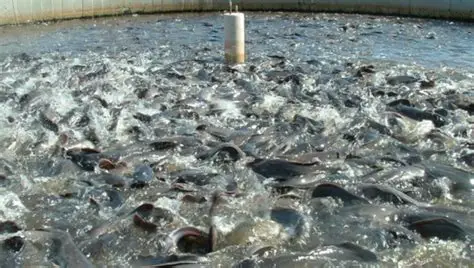
For the fishes to survive long-term, you must create an optimal environment for them.Proper pond preparation ensures fish survival and healthy growth.
Pond Preparation Tips:
- Wash and disinfect tanks before use.
- Fill with clean, chlorine-free water.
- Allow water to settle for 24–48 hours.
- Maintain water depth between 2.5–4 feet.
- Ensure good aeration and water flow.
Clean water is essential for preventing disease outbreaks.
Step 6: Source Healthy Fingerlings
Your fish farm’s success starts with quality fingerlings. So, only buy fingerlings from verifiable and resourceful sources.
Where to Buy:
- Government hatcheries
- Registered fish farms
- Agricultural institutes
- Reputable private hatcheries
How to Identify Healthy Fingerlings:
- Active and responsive movement
- Uniform size
- No injuries or deformities
- Free from visible disease
Stocking poor-quality fingerlings leads to slow growth and high mortality.
Step 7: Stocking Your Fish
Stocking density affects fish growth and survival. Don’t overstock the ponds as it leads to oxygen shortage and disease. You might want to overstock to make more profit but you’ll only end up incurring losses. Recommended Stocking Density:
- 500–1000 fish per small tank (depending on size)
- Avoid overcrowding
- Monitor growth and water quality regularly
Step 8: Feeding Your Fish Properly
Just like humans, fish need to be fed at least twice daily to stay healthy and grow. Feeding can account for 60–70% of your production costs, making proper feeding essential. While it might be tempting to reduce feed to cut costs, remember that proper feeding ensures faster growth and better quality fish, which can ultimately increase your profits when you sell.
Feeding Guidelines:
- Feed 2–3 times daily
- Use high-quality floating feed
- Adjust feed size as fish grow
- Avoid overfeeding to prevent water pollution
Types of Fish Feed:
- Commercial floating pellets
- Locally formulated feeds
- Homemade feed mixtures (for cost reduction)
Proper feeding ensures faster growth and higher profits.
Step 9: Maintain Water Quality
Water quality directly impacts fish health. Follow these water management practices to ensure the fishes stay healthy.
Key Water Management Practices:
- Change water regularly
- Remove waste and leftover feed
- Ensure proper oxygen supply
- Monitor water color and odor
- Prevent contamination
Poor water quality leads to stress, disease, and fish death.
Step 10: Prevent Diseases and Mortality
In small-scale fish farming, disease outbreaks can be devastating because you have invested your limited resources and suddenly the fish begin to die. In severe cases, infections can wipe out an entire stock and cause significant financial loss. However, with proper management and preventive measures, many fish diseases can be avoided before they become a serious problem. Here are some prevention tips;
- Maintain clean water
- Avoid overcrowding
- Remove sick fish immediately
- Use recommended medications when necessary
- Buy fingerlings from trusted sources
Prevention is always cheaper than treatment.
Step 11: Harvesting Your Fish
Catfish typically reach market size within 4–6 months. Here are some harvesting tips;
- Stop feeding 24 hours before harvest
- Use nets carefully to avoid injury
- Sort fish by size for better pricing
- Harvest early morning or evening to reduce stress
You can sell fish live, smoked, or processed for additional profit.
Step 12: Market and Sell Your Fish
Marketing is where your business acumen comes into play. Employ all the tricks up your sleeves to make sales. Successful marketing ensures steady income.
Where to Sell:
- Local markets
- Restaurants and hotels
- Pepper soup joints
- Supermarkets
- Direct sales to households
Profit-Boosting Ideas:
- Offer home delivery
- Sell smoked or dried fish
- Supply events and caterers
- Build customer relationships
Fish farming is profitable when combined with smart marketing.
Cost of Starting Small-Scale Fish Farming in Nigeria
Startup costs vary based on scale and materials used.
Estimated Startup Budget:
- Pond setup: 50,000 – 200,000 naira
- Fingerlings: 30 – 50 per fish naira
- Feed: 50,000+ naira per bag
- Water & maintenance: variable.
You can start small and expand as profits grow.
Common Mistakes to Avoid
There are common errors fish farmers make that can lead to poor growth, disease outbreaks, and financial losses. Avoiding these mistakes will improve productivity and increase your chances of success.
Overcrowding fish
Stocking too many fish in a pond or tank reduces oxygen levels and increases stress among the fish. Overcrowding also encourages disease spread and slows growth, leading to poor harvest yields.
Poor water management
Failing to monitor and maintain water quality can cause harmful conditions that threaten fish health. Dirty, low-oxygen water encourages disease, reduces feeding activity, and may result in high mortality rates.
Using low-quality feed
Cheap or poor-quality feed lacks the nutrients fish need for healthy growth. This can result in slow development, weak immunity, and increased mortality, ultimately reducing your profits.
Buying unhealthy fingerlings
Starting with weak or diseased fingerlings often leads to poor survival rates and stunted growth. Always source fingerlings from reputable hatcheries to ensure they are healthy and fast-growing.
Ignoring market research
Producing fish without understanding local demand can make it difficult to sell your harvest. Knowing what species and sizes buyers prefer helps you plan production and maximize profit.
Inconsistent feeding schedule
Irregular feeding stresses fish and affects their growth rate. Maintaining a consistent feeding routine promotes uniform growth, reduces aggression, and improves overall farm performance.
Learning from others’ mistakes can save you time, effort, and money while helping you build a profitable and sustainable fish farming business.
Tips for Success in Fish Farming
Honestly, starting a fish farming business is not easy; it requires courage, patience, and hard work. However, if you conduct proper research and apply the right practices, your chances of success are greatly increased.
Start small and scale gradually
Begin with a manageable number of fish so you can learn the basics without feeling overwhelmed. As you gain experience and confidence, you can gradually expand your farm and increase production.
Keep accurate financial records
Document all expenses, feed usage, and sales to track your profits and losses effectively. Good record-keeping helps identify areas to cut costs and plan for future expansion.
Join fish farmers’ associations
Becoming part of a local association allows you to network with experienced farmers and share knowledge. Associations also provide support, resources, and advocacy for fish farmers in your area.
Attend training and workshops
Participating in training programs helps you learn modern fish farming techniques and disease management strategies. It also gives you the opportunity to ask questions and gain practical insights from experts.
Stay updated with modern farming techniques
Aquaculture practices evolve quickly, and staying informed ensures your farm remains competitive. Implementing new technologies and methods can improve fish growth, reduce costs, and increase overall productivity.
Consistency and proper management are essential for long-term success, ensuring your fish farm remains profitable and sustainable over time.
Turning Fish Farming into a Profitable Venture
Starting small scale fish farming in Nigeria is one of the most practical and profitable agribusiness opportunities available today. With minimal space, moderate startup capital, and proper management, you can build a sustainable business that provides steady income and contributes to food security.
As demand for locally produced fish continues to grow, small-scale farmers have a unique opportunity to thrive in this expanding market. Start small, stay consistent, and watch your fish farming business grow into a reliable source of income.