

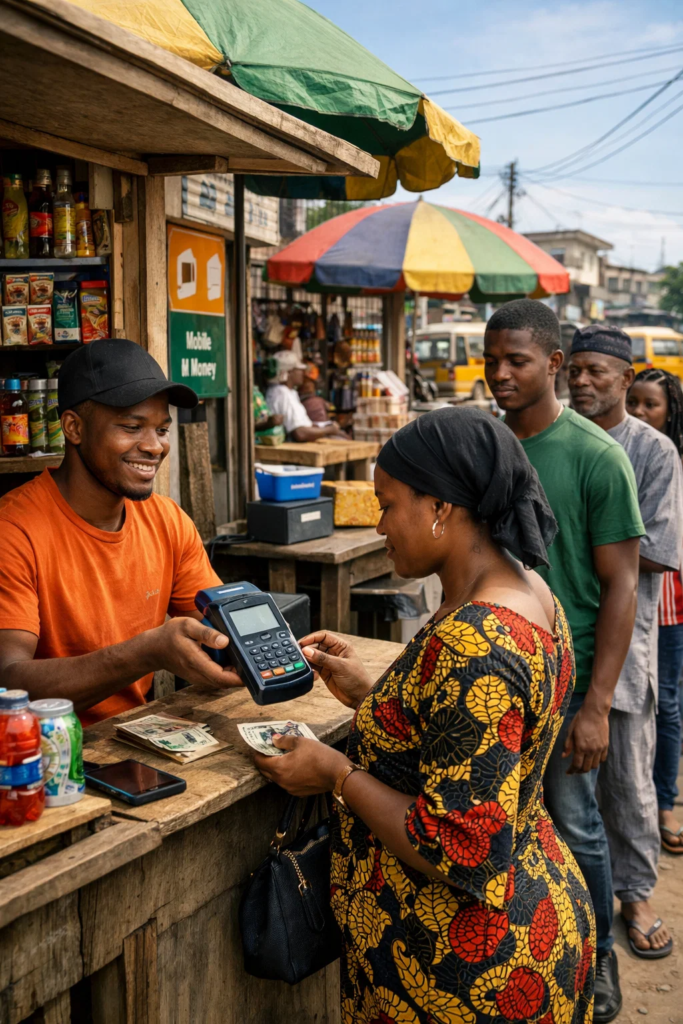

Over the past decade, Nigeria’s financial ecosystem has undergone a quiet but powerful transformation. What began as an alternative banking channel has evolved into an essential service: Point-of-Sale (POS) agency banking. Today, millions of Nigerians rely on POS agents daily for withdrawals, transfers, bill payments, and other financial transactions.
Recent industry data shows that POS transactions now account for trillions of naira annually, with transaction volumes increasing significantly year after year. The growth is driven by persistent ATM shortages, long bank queues, unreliable cash access, and the expansion of digital financial services into underserved communities. In many neighbourhoods, POS agents have become the closest and most reliable access point to financial services.
This rapid expansion has created a viable micro-enterprise opportunity. For aspiring entrepreneurs, starting a Moniepoint POS business offers low entry barriers, daily cash flow, and strong demand across both urban and rural areas.
Among the available providers, Moniepoint has emerged as one of the most trusted agency banking platforms in Nigeria. Its strong network reliability, agent support structure, and business-focused tools have made it a preferred choice for many operators.
This guide provides a detailed, professional overview of how to start a Moniepoint POS business with Moniepoint in Nigeria, including requirements, startup costs, profitability, risk management, and strategies for long-term success.
Understanding POS in Business
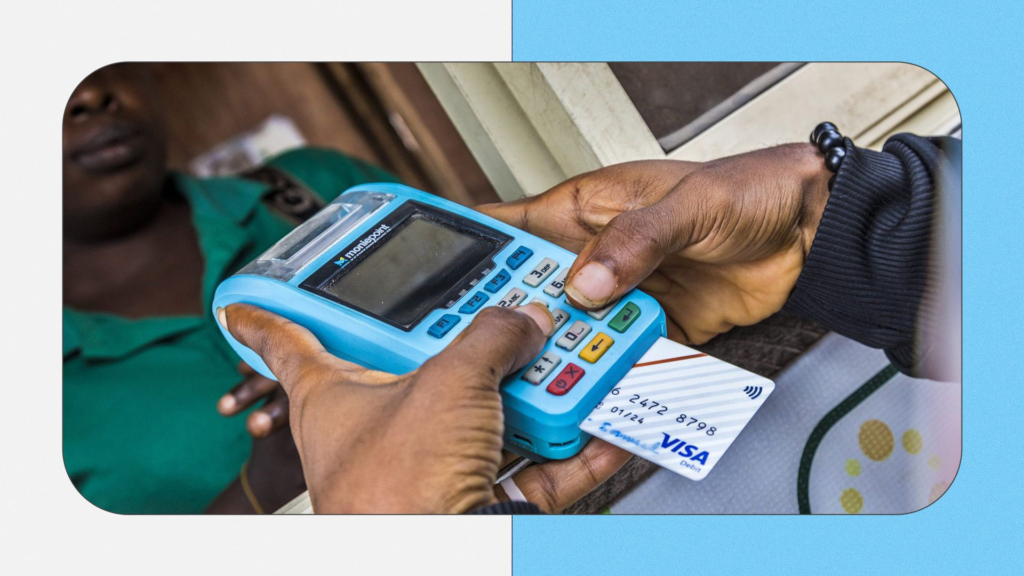
POS stands for Point of Sale. In the Nigerian agency banking context, it refers to the use of electronic terminals that allow customers to perform financial transactions through an authorized agent instead of visiting a bank branch.
Typical services offered by POS agents include cash withdrawals, deposits, money transfers, airtime purchases, bill payments, and card payments for goods and services.
These services are particularly valuable in areas where bank branches are limited or ATMs are unreliable.
Why Choose Moniepoint for a POS Business?
Nigeria’s POS market includes commercial banks and fintech providers, but Moniepoint has become a leading choice because of its reliability and business-focused features. For agents, the provider you choose directly affects transaction success rates, customer satisfaction, and daily income.
1. Reliable Network Performance
Moniepoint terminals are known for strong uptime and minimal transaction failures. Reliable connectivity reduces pending transactions and helps build customer trust, which is essential for retaining repeat customers.
2. Fast Transaction Processing
Quick withdrawals and transfers allow agents to serve more customers within a short time. Faster service improves customer experience and increases daily transaction volume.
3. Dedicated Business Account System
Moniepoint provides a structured business account that helps agents manage funds, monitor cash flow, and separate business finances from personal money. This improves professionalism and financial control.
4. Competitive Commission Structure
Agents earn per transaction, and income grows as transaction volume increases. This makes the platform suitable for both small-scale operators and high-traffic locations.
5. Strong Market Trust and Wide Agent Network
Moniepoint’s widespread presence and reputation enhance customer confidence. People are more comfortable transacting with platforms they recognize and trust.
6. Responsive Agent Support
When issues arise, timely support is crucial. Moniepoint offers agent support channels to resolve transaction disputes and technical problems quickly, helping maintain business continuity.
7. Enhanced Security Features
Secure PIN authentication and transaction verification systems help protect agents and customers, reducing fraud risks and financial losses.
Types of POS Machine
Moniepoint provides different POS terminal options designed to suit various business sizes, transaction volumes, and operational environments. Choosing the right device affects transaction speed, customer experience, and overall profitability.
Below are the main types of Moniepoint POS machines available to agents and small business owners in Nigeria.
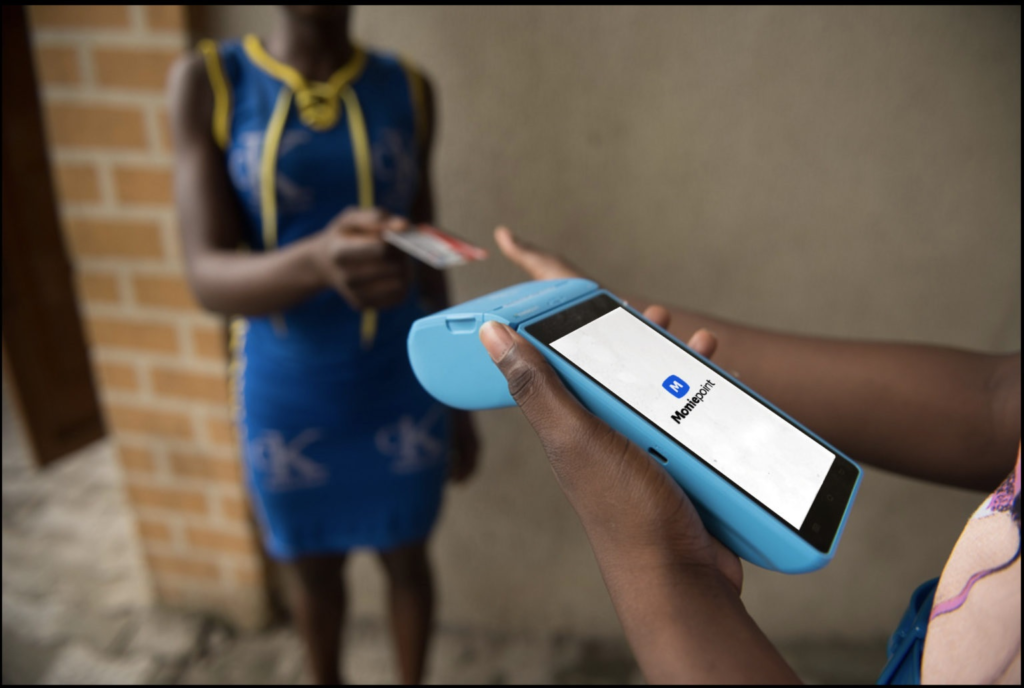
1. Smart POS (Android POS Terminal)
The Smart POS is Moniepoint’s most advanced terminal, designed for agents who handle high transaction volumes.
Key Features
- Android touchscreen interface
- Built-in receipt printer
- Supports withdrawals, transfers, bill payments, airtime, and card payments
- SIM and Wi-Fi connectivity for stable network performance
- Secure and encrypted transaction processing
Best For
- Busy POS locations
- Urban and high-traffic areas
- Agents offering multiple financial services
Why choose it: Its speed, reliability, and multifunction capability improve customer experience and increase daily transaction volume.
2. Mini POS (mPOS / Mobile POS)
The Mini POS is a compact, portable device designed for small-scale operators and mobile agents.
Key Features
- Lightweight and portable
- Connects to a smartphone via Bluetooth
- Performs transfers, withdrawals, and payments
- Lower acquisition cost
- Ideal for agents on the move
Best For
- Beginners starting with limited capital
- Mobile POS operators
- Small kiosks and roadside businesses
Why choose it: It provides an affordable entry point into the POS business while maintaining essential transaction functionality.
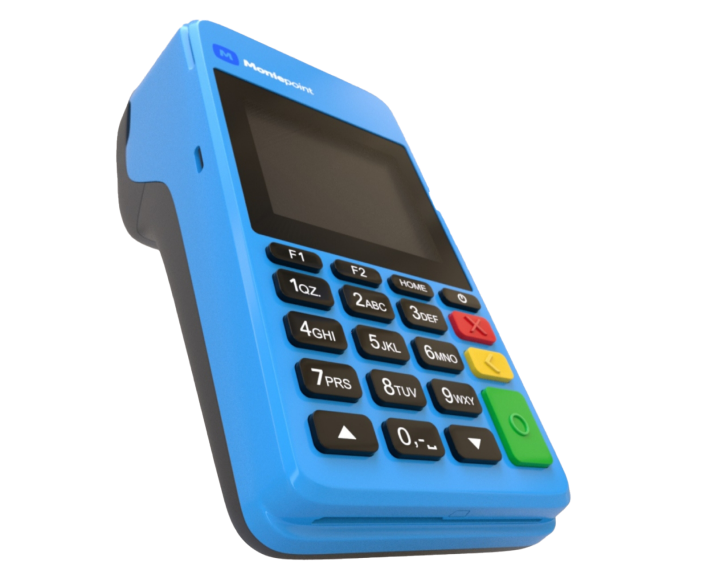
3. Traditional POS Terminal (Keypad Model)
This button-based terminal is less common today but still used by some agents.
Key Features
- Physical keypad interface
- Built-in printer
- Durable battery life
- Reliable card processing
Best For
- Areas with limited technical familiarity
- Agents who prefer simple, non-touch interfaces
Why choose it: It is easy to operate and durable, making it suitable for environments where simplicity and ruggedness matter.
Requirements to Start a Moniepoint POS Business
To operate as a POS agent, you must meet identity verification and regulatory compliance requirements. These safeguards are designed to reduce fraud and improve transparency in Nigeria’s financial system.
Typical requirements include:
- Age requirement of at least 18 yrs old.
- A valid national identification document such as a NIN slip, voter’s card, driver’s license, or international passport.
- Your Bank Verification Number.
- A recent passport photograph
- A functional phone number
- Proof of business location.
In some cases, especially for larger operations or permanent shop locations, business registration may be requested.
Equipment Needed to Operate
Running a POS business requires more than just the terminal. A professional setup improves efficiency, ensures smooth operations, and builds customer trust.
Essential items include:
- Moniepoint POS terminal – the primary device for transactions
- Power backup – power bank or small inverter to prevent downtime
- Visible signboard – helps attract customers and increase visibility
- Table and chair – creates an organized and professional workspace
- Secure cash storage – lockbox or drawer to safeguard funds
- Record-keeping system – ledger or digital app to track daily transactions and reconcile balances
Having these essentials in place helps ensure reliability, security, and a professional customer experience.
Startup Costs and Capital Requirements
The cost of starting a POS business varies depending on your location, scale of operation, and whether you operate from a shop or roadside kiosk.
A POS terminal usually requires a deposit or activation fee. Beyond the machine, working capital often called float. Float is the most important component of startup funding. This is the cash you will use to serve customer withdrawals and transactions.
Operating with very low capital restricts the number of customers you can serve. While it is technically possible to start small, sustainability improves significantly with adequate float.
Starting with about fifty thousand naira allows very limited operations. A more stable setup begins around one hundred thousand naira, while higher capital enables you to serve more customers and earn more daily.
Can You Start with ₦20,000 or ₦50,000?
Starting with ₦20,000 is possible only under very limited circumstances, such as operating from home or an existing shop space. However, the low float will restrict transactions and income potential.
With ₦50,000, beginners can operate on a small scale, particularly in low-traffic areas. For consistent earnings and customer satisfaction, a higher starting float is strongly recommended.
Step-by-Step Guide to Starting a Moniepoint POS Business
Starting a POS (Point of Sale) business with Moniepoint is one of the most profitable small-scale ventures in Nigeria today. With increasing demand for cash withdrawals, transfers, and bill payments, POS agents provide essential financial services, especially in areas with limited banking access.
Below is a detailed step-by-step guide to help you launch and run a successful Moniepoint POS business.
Step 1: Understand How the POS Business Works
Before starting, know what services you will offer:
- Cash withdrawals
- Deposits
- Money transfers
- Airtime & data sales
- Utility bill payments
- BVN/NIN services (where applicable)
You earn commissions on every transaction performed.
Step 2: Register as a Moniepoint Agent
To operate legally, you must register as an agent.
Requirements:
- Valid means of identification (NIN, Voter’s card, Driver’s license, or International passport)
- BVN
- Active phone number & email address
- Passport photograph
- Business location details
How to apply:
- Visit the official Moniepoint agent page.
- Fill out the registration form.
- Submit required documents.
- Wait for approval confirmation.
Approval typically takes a few days.
Step 3: Secure a Good Business Location
Location determines your daily profit.
Best locations include:
- Busy markets
- Motor parks
- Campuses & hostels
- Residential areas with limited banks/ATMs
- Shops and junctions with heavy foot traffic
Choose a safe and visible spot.
Step 4: Arrange Startup Capital
Your startuo capital should cover:
1. POS Terminal
- Cost: ₦25,000 – ₦35,000 (may vary)
- Often provided after approval
2. Working Float (Cash & Bank Balance)
- Recommended: ₦50,000 – ₦200,000+
- More float = more transactions
3. Shop setup (optional)
- Umbrella, table, chair, kiosk branding
Step 5: Receive and Set Up Your POS Terminal
Once approved and payment is confirmed:
- You will receive the POS machine.
- Install the SIM card and activate the device.
- Link your wallet/account.
- Test transactions before opening.
Moniepoint terminals are known for:
- fast processing
- strong network uptime
- long battery life
Step 6: Learn Transaction Charges & Set Your Profit
Your earnings depend on transaction volume and pricing. It also depends on your location. In Urban areas, withdraw charges are higher than they are in rural areas.
Typical charges:
- Withdrawals: ₦200 per ₦5,000
- Transfers: ₦50 – ₦100
- Deposits: small fee
- Airtime/Data: commission-based
Adjust fees slightly based on your area’s pricing.
Step 7: Secure Your Business
Security is critical when handling cash.
Safety tips:
- Avoid displaying large cash amounts.
- Use a secure cash box.
- Close early if the area becomes unsafe.
- Build relationships with nearby shop owners.
- Install CCTV if possible.
Step 8: Promote Your POS Services
Attract more customers by:
- Using visible sign boards.
- Offering quick and polite service.
- Maintaining transaction success consistency.
- Selling airtime and data for extra income.
Word-of-mouth will grow your customer base.
Step 9: Maintain Daily Records
Track:
- daily transactions
- profit & charges
- float balance
- expenses
This helps you monitor growth and avoid losses.
Step 10: Scale Your POS Business
Once profitable, expand by:
- increasing float
- opening multiple POS points
- hiring attendants
- adding additional terminals
- selling SIM cards & financial services
Scaling increases daily earnings significantly.
How Moniepoint POS Agents Make Money
POS agents earn income through transaction charges and commissions. Charges vary depending on the transaction amount, location, and competition.
For example, withdrawals attract service fees, and agents retain a portion as commission. Transfers and bill payments also generate earnings.
The higher your transaction volume, the greater your daily income.
Monthly Income Expectations
Income varies widely based on location and customer traffic. Agents in low-traffic areas may earn modest monthly income, while those in busy commercial zones can earn significantly more. Operators with sufficient float and extended operating hours tend to maximize profits.
Consistency, trustworthiness, and speed of service strongly influence repeat patronage.
10 Things to Know Before Starting a Moniepoint POS Business
Understanding how the Moniepoint POS system works will help you avoid costly mistakes and run a smooth, profitable operation. Before acquiring a terminal, here are important facts every prospective agent should know:
1. Moniepoint POS is leased, not always purchased
Moniepoint typically leases POS terminals to agents, reducing the need for heavy upfront investment. However, there may be options to purchase and fully own the device depending on your agreement.
2. You must understand the application process
Obtaining a Moniepoint POS requires proper documentation and verification. Ensure you meet identity and business requirements before applying to avoid delays.
3. Weekly transaction targets apply to leased terminals
For leased Android POS terminals, agents are encouraged to process at least ₦140,000 weekly. Consistently low usage may classify the terminal as underperforming and risk reassignment.
4. Mini POS devices have lower performance targets
Mini POS terminals (portable devices without receipt printing) have a lower weekly target of about ₦35,000. While they are more flexible, maintaining activity is still important.
5. Proper handling can earn you a refund
If the terminal is returned in good condition, Moniepoint may refund the activation fee (commonly around ₦10,000). Careful handling protects your deposit.
6. Withdrawal charges follow a flat-rate structure
Withdrawals between ₦1 and ₦20,000 typically attract about 0.5% per transaction, depending on your business rank and volume.
7. Transactions above ₦20,000 attract fixed charges
Withdrawals above ₦20,000 usually carry a flat ₦100 fee, while transfers cost about ₦20 per transaction for agents.
8. Cashback incentives may apply
Depending on your transaction volume and agent tier, you may receive cashback rewards (up to about ₦20 per withdrawal), which increases overall earnings.
9. Airtime sales attract service charges
Airtime purchases typically incur around 2% processing cost, which agents factor into customer pricing.
10. Bill payments attract no processing fees
Utility bill payments are processed without charges, allowing agents to earn by adding service fees while attracting more customers.
Being familiar with these operational details helps you plan better, price services correctly, and maintain a healthy transaction volume. Understanding Moniepoint’s policies ensures compliance while positioning your POS business for steady growth.
Is the POS Business Profitable in Nigeria?
Yes. POS services remain profitable due to persistent demand for cash transactions, ATM downtime, and expanding financial inclusion efforts.
In many communities, POS agents provide essential services that banks cannot conveniently deliver. As long as cash access challenges and digital payment needs persist, POS businesses will remain relevant.
How to Increase POS Business Income
Increasing income requires both operational efficiency and service diversification.
Maintaining adequate cash reserves ensures you never turn customers away. Extending operating hours captures early morning and evening demand. Providing multiple financial services and building strong customer relationships encourages repeat visits.
Positioning your business in a visible, high-traffic area remains one of the most effective growth strategies.
Additional Services to Boost Revenue
Many successful agents supplement their income by selling phone accessories, snacks, and small retail items. Others offer printing, photocopying, SIM registration support, and utility payment assistance.
Diversifying services increases daily earnings and stabilizes income during slow transaction periods.
Security and Risk Management
Handling cash requires strict security awareness. Avoid displaying large sums of money and always verify transaction alerts before releasing cash.
Secure storage, daily reconciliation, and situational awareness reduce fraud and theft risks. Installing surveillance cameras and maintaining strong relationships with nearby businesses can further improve safety.
Understanding the Business PIN and Security Access
Your business PIN is a confidential security code used to authorize transactions and protect your funds. It should never be shared.
If you need to reset your PIN, this can typically be done through your Moniepoint agent dashboard by verifying your identity using a one-time password. If access issues persist, customer support can assist with secure recovery.
Common Challenges and How to Manage Them
POS operators may encounter network downtime, cash shortages, power supply issues, or competition. Planning ahead helps mitigate these challenges.
Maintaining power backup, diversifying float sources, and delivering reliable service will distinguish your business even in competitive areas.
Final Thoughts
The POS business has evolved into one of Nigeria’s most practical and accessible entrepreneurial opportunities. With millions relying on agents for daily financial transactions, the demand for reliable POS services continues to grow.
Starting a Moniepoint POS business requires modest capital, strategic positioning, and disciplined operations. When managed professionally, it can generate consistent daily income, support financial access within your community, and grow into a broader retail or financial service enterprise.
For entrepreneurs seeking a dependable and scalable business in Nigeria’s expanding fintech landscape, the Moniepoint POS model remains a strong and relevant opportunity.