

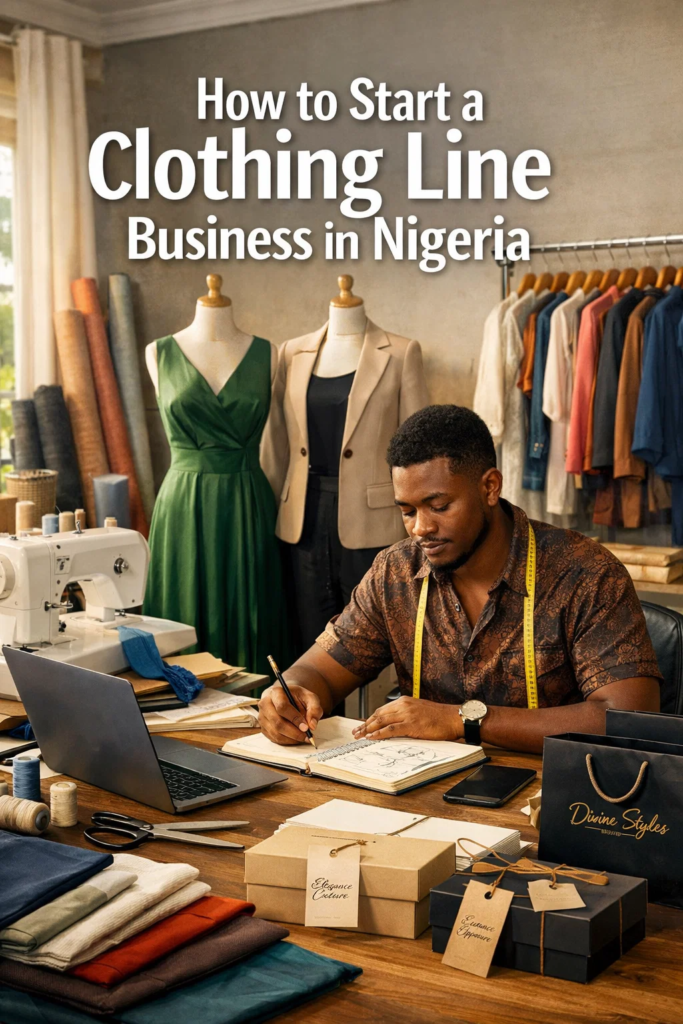

Starting a clothing line business in Nigeria is one of the most exciting and profitable ventures for creative entrepreneurs. From trendy streetwear brands to elegant boutique collections and second-hand fashion markets, the Nigerian fashion industry continues to grow rapidly. If you have ever dreamed about launching your own clothing line business, now may be the perfect time to start.
Fashion is more than just clothing; it is a form of identity, culture, and expression. In Nigeria, people love dressing well for work, social gatherings, weddings, and everyday life. This strong demand creates opportunities for entrepreneurs who want to learn how to start a clothing business. Whether you plan to design your own outfits, sell ready-made clothes, run an online store, or start a cloth selling business, there are many profitable paths to explore.
The best part about starting a clothing business in Nigeria is that it does not always require huge capital. Many successful fashion entrepreneurs started small, selling from home, marketing on social media, or buying clothes wholesale. With the right clothing business plan, creative branding, and smart marketing strategies, you can build a successful brand that grows over time.
In this guide, you will learn how to start a clothing business in Nigeria step by step, including how to create a business plan, choose a brand name, source clothing materials, market your products, and grow your fashion brand.
Understanding the Clothing Business in Nigeria
Before launching your fashion venture, it is important to understand the clothing business in Nigeria and how it operates.
Nigeria has a vibrant fashion industry that includes:
- Fashion designers and clothing brands
- Boutique clothing stores
- Online clothing businesses
- Second hand clothes business (okrika)
- Wholesale clothing suppliers
- Children’s and baby clothing brands
Because Nigerians love fashion, starting a cloth business in Nigeria can be very profitable if done correctly.
Is Clothing Business Profitable?
Yes, the clothing business can be highly profitable. Fashion is a necessity, and people constantly buy clothes for different occasions such as:
- Office and business casual clothes
- Traditional ceremonies
- Weddings and parties
- Casual wear
- Children’s clothing
- Religious events
With proper planning and marketing, many entrepreneurs successfully grow their clothing line business into well-known brands.
Step 1: Choose Your Clothing Business Idea
The first step in starting a clothing business is deciding the type of fashion business you want to run. There are many clothing business ideas you can explore, including:
1. Fashion Designer / Clothing Line
This involves designing and producing your own clothing collections.
2. Boutique Clothing Store
You sell ready-made clothes from other designers or manufacturers.
3. Online Clothing Business
Selling fashion products through Instagram, TikTok, WhatsApp, or an e-commerce website.
4. Children’s Clothing Business
You can specialize in children’s fashion or baby clothes.
5. Second-Hand Clothing Business
The used clothes business in Nigeria (also called okrika) is very popular and profitable.
6. Wholesale Clothing Business
You buy clothes in bulk and supply them to retailers.
7. Custom Clothing Printing
This includes T-shirts, hoodies, and branded merchandise.
Choosing the right niche is important for building a successful clothing line business.
Step 2: Create a Clothing Business Plan
A well-structured clothing business plan is essential when starting a fashion brand. It helps you plan your finances, marketing strategy, and operations.
Your clothing business plan should include:
Business Description
A short explanation of your brand and what it sells. This is also known as the clothing business description.
Target Market
Identify your customers. For example:
- Students
- Professionals
- Parents
- Children
- Fashion lovers
Product Line
List the clothes you plan to sell such as:
- Dresses
- Shirts
- Jeans
- Corporate wear
- Business clothes for men
- Children’s clothing
Budget and Startup Costs
Estimate expenses such as:
- Fabric or wholesale clothing
- Tailoring equipment
- Marketing
- Store rent (if applicable)
Marketing Strategy
Explain how you will promote your clothing brand.
A detailed clothing brand business plan can help attract investors and guide your business growth.
Step 3: Choose a Unique Clothing Business Name
Your brand name is one of the most important parts of your clothing line business.
A good name should be:
- Unique
- Easy to remember
- Relevant to fashion
- Easy to pronounce
Clothing Business Name Ideas
Here are examples of unique business names for clothing:
- Urban Stitch
- Velvet Thread
- Style Haven
- Crown Couture
- Golden Fabric
- Classic Trend
- Prime Outfitters
- Fashion Bloom
If you are starting a children’s brand, you may consider business name ideas for children’s clothing such as:
- Little Stars Boutique
- Tiny Trendsetters
- Baby Bloom Fashion
Choosing a unique name for clothing business helps your brand stand out in a competitive market.
Step 4: Register Your Clothing Line Business
Registering your business gives your brand credibility and legal protection. In Nigeria, you can register your clothing business through the Corporate Affairs Commission (CAC).
Business registration benefits include:
- Legal recognition
- Ability to open a business bank account
- Building trust with customers
- Access to funding opportunities
Even small brands that start from home should eventually register their clothing line business.
Step 5: Source Clothing Materials or Suppliers
After planning your brand, the next step is sourcing clothes or materials.
Depending on your business model, you may:
Produce Your Own Clothes
If you are a designer, you will need:
- Fabrics
- Tailoring equipment
- Skilled tailors
Buy Wholesale Clothing
Many entrepreneurs learn how to start a clothing business with buying wholesale products from markets like:
- Balogun Market (Lagos)
- Onitsha Main Market
- Aba Garment Market
Sell Second-Hand Clothing
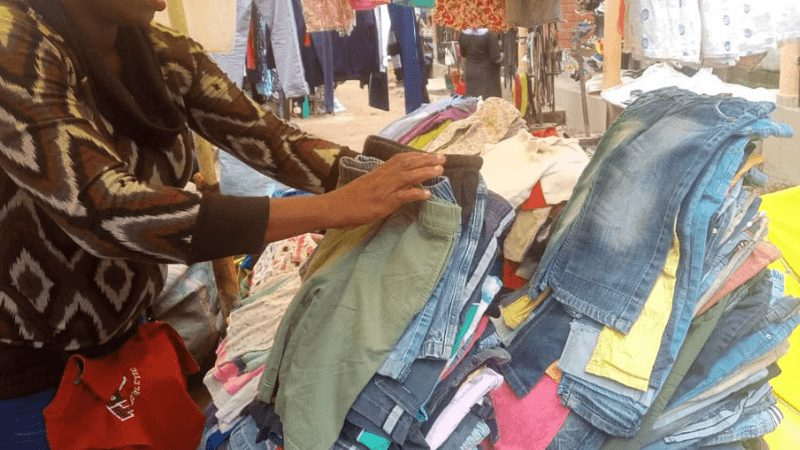
The okrika clothes business in Nigeria is another profitable option. You can import or buy second-hand clothes in bales and resell them.
Step 6: Create Your Clothing Brand Identity
Branding is essential for a successful clothing line business. Your brand identity includes:
- Logo design
- Packaging
- Brand colors
- Marketing style
A professional clothing business logo design helps customers recognize your brand.
Other branding tools include:
- Clothing business cards
- Social media pages
- Packaging bags
- Labels and tags
Good branding builds trust and makes your business look professional.
Step 7: Set Up Your Clothing Store or Online Shop
You can run your clothing business in different ways.
Physical Clothing Store
Opening a boutique allows customers to visit and try on clothes.
Online Clothing Business
Many entrepreneurs now prefer online stores because they require less capital.
Platforms for selling clothes online include:
- TikTok
- WhatsApp Business
- E-commerce websites
Learning how to start a clothing business online can help you reach customers across Nigeria and beyond.
Step 8: Create Marketing Strategies
Marketing is essential for growing your clothing line business.Effective strategies include:
Social Media Marketing
Post high-quality pictures and videos of your clothes.
Influencer Promotion
Collaborate with fashion influencers to promote your brand.
Fashion Photoshoots
Professional photos make your clothing products more attractive.
Sales Promotions
Offer discounts or special deals during holidays.
Business Cards
Create a professional business card for clothing brand to give customers your contact details.
These strategies help attract customers and increase sales.
Step 9: Manage Your Clothing Business Properly
Running a successful clothing business requires good management.
Here are key management tips:
- Keep proper financial records
- Monitor inventory
- Track profits and expenses
- Understand customer preferences
- Provide excellent customer service
Learning how to manage a clothing business ensures long-term success.
Step 10: Grow and Expand Your Clothing Brand
Once your business becomes stable, you can start expanding. Ways to grow a clothing business include:
- Launching new clothing collections
- Opening additional stores
- Expanding into online markets
- Collaborating with other designers
- Selling internationally
Successful brands continuously innovate and adapt to fashion trends.

SWOT Analysis for a Clothing Business
A SWOT analysis for clothing business is an important tool that helps entrepreneurs understand the internal and external factors that can affect their success. SWOT stands for Strengths, Weaknesses, Opportunities, and Threats. By carefully analyzing these four areas, business owners can make better decisions, prepare for challenges, and build a stronger clothing line business.
For anyone learning how to start a clothing business, conducting a SWOT analysis can help identify your competitive advantage, understand potential risks, and develop strategies to grow your brand. Below is a deeper look at each component of a SWOT analysis for a clothing brand.
Strengths
Strengths are the internal advantages that make your clothing business stand out from competitors. These are the qualities or resources that give your business a competitive edge in the fashion market.
Some common strengths in a clothing line business include:
- High demand for fashion: Clothing is a basic necessity, and people regularly buy new outfits for work, social events, and personal style. This consistent demand makes the cloth business in Nigeria a potentially profitable venture.
- Creative opportunities: The fashion industry allows entrepreneurs to express creativity through designs, fabrics, colors, and branding. Unique styles can help your brand attract loyal customers.
- Multiple business models: A clothing entrepreneur can choose different approaches such as running a boutique, selling online, producing custom outfits, or operating a second hand clothes business.
- Flexible startup options: Many people start small by selling from home or online, which makes it easier for beginners who are learning how to start a small clothing business from home.
- Growing fashion culture: Nigerians are known for their love of fashion, stylish events, and traditional attire, which creates strong demand for fashion products.
When you identify your strengths, you can use them to build a powerful clothing brand business plan and attract more customers.
Weaknesses
Weaknesses are the internal challenges that may affect the growth of your clothing business. Recognizing these limitations early allows you to develop strategies to overcome them.
Some common weaknesses include:
- High competition: The fashion industry is highly competitive, with many designers, boutiques, and online stores entering the market. This makes it harder for new brands to stand out.
- Rapidly changing fashion trends: Fashion trends change quickly, and businesses must constantly update their styles to stay relevant. A brand that fails to adapt may lose customers.
- Limited startup capital: Many entrepreneurs starting a clothing business in Nigeria may struggle with funding for equipment, materials, or marketing.
- Inventory management challenges: Unsold clothing items can lead to losses, especially if trends change before products are sold.
- Dependence on skilled labor: Designers and tailoring businesses depend heavily on skilled tailors and garment workers, which can sometimes affect production speed and quality.
By identifying these weaknesses, business owners can improve their operations and learn how to manage a clothing business more effectively.
Opportunities
Opportunities are external factors that can help your clothing line business grow and expand. Taking advantage of these opportunities can significantly increase your chances of success in the fashion industry.
Some major opportunities include:
- Growth of online fashion sales: Social media platforms like Instagram, TikTok, and WhatsApp have made it easier for entrepreneurs to promote and sell clothing products. Learning how to start a clothing business online can help you reach customers across different cities and even internationally.
- Expanding fashion market: Nigeria’s population continues to grow, and more people are interested in stylish outfits for work, social gatherings, and everyday wear.
- Niche markets: Entrepreneurs can specialize in specific niches such as children’s clothing businesses, sportswear, luxury fashion, or sustainable clothing.
- International fashion markets: Nigerian fashion is gaining global recognition, creating opportunities for brands to export their designs and reach international customers.
- Fashion collaborations: Partnering with influencers, stylists, or celebrities can boost brand visibility and help grow your clothing business quickly.
Recognizing these opportunities can help entrepreneurs scale their businesses and create a strong presence in the fashion industry.
Threats
Threats are external factors that could negatively affect your clothing business if not properly managed. Being aware of these risks allows business owners to develop strategies that protect their brand.
Common threats in the fashion industry include:
- Economic fluctuations: Changes in the economy can affect consumer spending, which may reduce demand for clothing products.
- Rising production costs: Increases in fabric prices, labor costs, and transportation expenses can reduce profit margins for clothing businesses.
- Market saturation: With many entrepreneurs entering the fashion industry, the market may become crowded, making it harder for new brands to gain attention.
- Counterfeit products: Some businesses copy popular clothing designs, which can affect brand originality and customer trust.
- Import competition: Imported fashion products may compete with local brands in price and availability.
By understanding these threats, entrepreneurs can plan strategies that protect their clothing line business and ensure long-term sustainability.
Why SWOT Analysis Is Important for Clothing Entrepreneurs
A detailed SWOT analysis for clothing business helps entrepreneurs develop realistic strategies for growth and long-term success. It allows you to:
- Understand your brand’s competitive advantages
- Identify areas that need improvement
- Discover new opportunities in the fashion market
- Prepare for challenges before they occur
When used effectively, SWOT analysis can guide entrepreneurs on how to succeed in clothing business and build a stronger, more competitive fashion brand.
Final Thoughts
Starting a clothing business in Nigeria can be an exciting and rewarding journey for entrepreneurs who are passionate about fashion. With the right clothing business plan, creative branding, and consistent marketing, you can build a profitable fashion brand that attracts loyal customers.
Whether you want to start a boutique, launch a designer label, sell online, or run a second hand clothes business, the opportunities in the fashion industry are vast. By following the steps in this guide on how to start a clothing business, you can turn your passion for fashion into a successful and sustainable business.
Success in the fashion industry requires creativity, patience, and dedication. If you remain consistent, understand your market, and keep improving your brand, your clothing line business can grow into a powerful fashion brand recognized across Nigeria and beyond.