

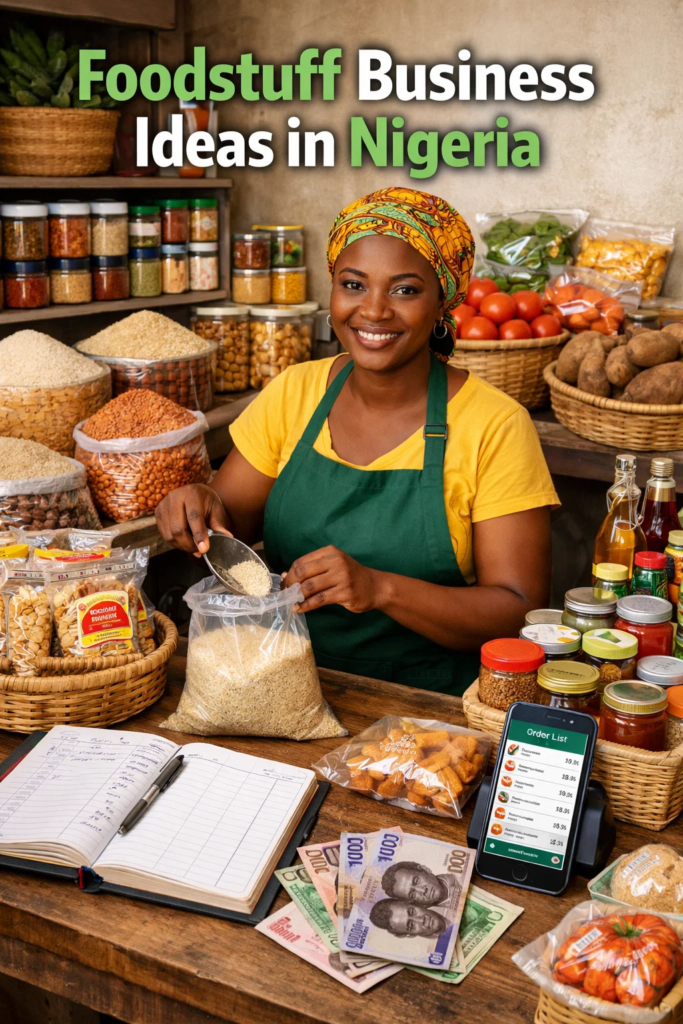

Nigeria’s food market is one of the most active and essential sectors of the economy. Every day, millions of households buy rice, beans, garri, yam, pepper, vegetables, and other basic food items to feed their families. Because food is a daily necessity, the foodstuff business in Nigeria has become one of the most reliable ways entrepreneurs earn steady income. From small roadside sellers to large-scale distributors supplying markets across the country, the demand for food items continues to grow.
One of the reasons the foodstuff business remains attractive is that it can be started with different levels of capital. Some entrepreneurs start small by selling raw food items in their neighborhoods, while others invest in wholesale foodstuff business in Nigeria and supply retailers. There are also opportunities in foodstuff export business in Nigeria, where products like beans, dried pepper, sesame seeds, and yam flour are exported to international markets. With Nigeria’s large population and growing food consumption, the industry offers many profitable opportunities.
If you are considering foodstuff business ideas, this guide will help you understand the best opportunities available. You will learn how to start foodstuff business in Nigeria, explore different profitable foodstuff business ideas, and understand how to grow and succeed in the industry. Whether you want to operate in Lagos, Abuja, Port Harcourt, or any other city, the foodstuff market remains one of the most stable and rewarding businesses for entrepreneurs.
Understanding the Foodstuff Business in Nigeria
The foodstuff business in Nigeria involves buying and selling raw or processed food items to consumers, retailers, restaurants, or food processing companies.
This type of business includes selling products such as:
- Rice
- Beans
- Garri
- Yam
- Plantain
- Palm oil
- Pepper and vegetables
- Maize and grains
- Flour
- Spices and seasonings
Many entrepreneurs choose the raw foodstuff business in Nigeria because these products are essential and always in demand.
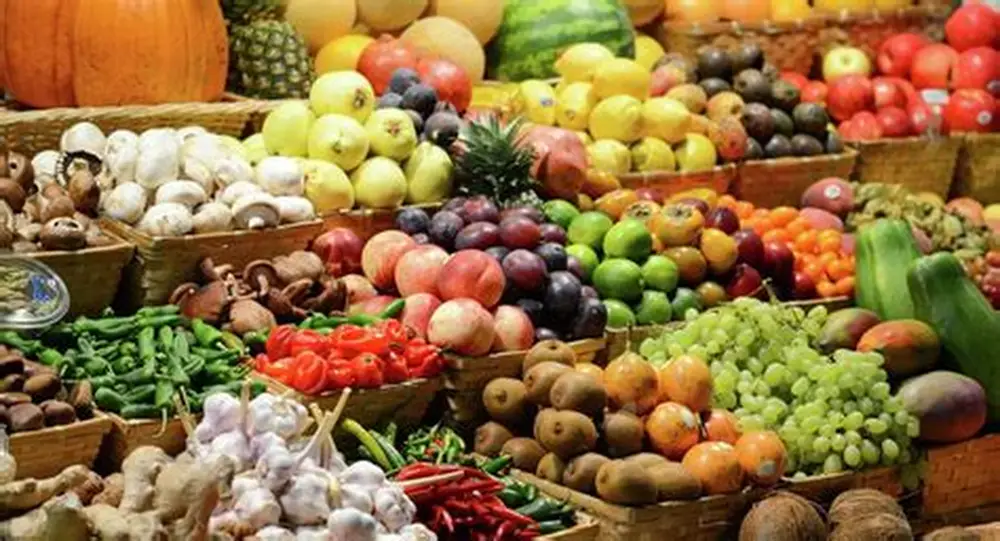
How Profitable Is Foodstuff Business in Nigeria?
Many people often ask, how profitable is foodstuff business in Nigeria? The answer is simple: it can be very profitable if managed properly. Food is a necessity, which means people buy it every day regardless of economic conditions.
The profitability depends on factors such as:
- Your business location
- Supply sources
- Pricing strategy
- Storage methods
- Customer base
Entrepreneurs involved in foodstuff distribution business or wholesale supply often make higher profits because they sell large quantities.
Profitable Foodstuff Business Ideas in Nigeria
There are many foodstuff business ideas entrepreneurs can explore. Below are some of the most profitable opportunities.
1. Retail Foodstuff Business Ideas
This is one of the most common forms of foodstuff business in Nigeria. Retail foodstuff sellers buy products in bulk and sell them in smaller quantities to consumers.
Typical items sold include:
- Rice
- Beans
- Garri
- Yam
- Vegetable oil
- Spices
This business can be started in:
- Local markets
- Roadside stalls
- Small neighborhood shops
Many people begin starting a foodstuff business with retail sales because it requires less capital.
2. Wholesale Foodstuff Business Ideas
The wholesale foodstuff business in Nigeria involves buying large quantities of food items directly from farmers or major markets and supplying them to retailers.
Wholesale traders often operate in large markets such as:
- Mile 12 Market in Lagos
- Bodija Market in Ibadan
- Wuse Market in Abuja
- Oil Mill Market in Port Harcourt
Because they deal in bulk quantities, wholesalers usually enjoy higher profit margins.
This business requires:
- Larger capital
- Storage facilities
- Transportation systems
However, it can generate significant income if managed well.
3. Raw Foodstuff Supply Business Ideas
The raw foodstuff supply business in Nigeria involves supplying food items to businesses such as:
- Restaurants
- Hotels
- Catering services
- School cafeterias
These businesses need constant supplies of food ingredients, which creates a steady demand for suppliers.
Entrepreneurs who enter this sector focus on building strong relationships with buyers and maintaining reliable delivery systems.
4. Foodstuff Distribution Business Ideas
A foodstuff distribution business focuses on moving products from producers or wholesalers to retailers and markets. Distributors act as middlemen who connect farmers with buyers.
This business involves:
- Logistics coordination
- Transportation
- Storage management
With Nigeria’s large agricultural production, food distribution remains an important part of the supply chain.
5. Foodstuff Export Business Ideas
The foodstuff export business in Nigeria is becoming increasingly popular as international demand for Nigerian agricultural products grows.
Common export products include:
- Sesame seeds
- Cocoa
- Ginger
- Dried pepper
- Yam flour
- Beans
Entrepreneurs involved in foodstuffs export business can earn significant profits by supplying these products to international markets.
However, this business requires knowledge of export regulations and quality standards.
6. Online Foodstuff Business Ideas
Technology has made it possible to run a foodstuff business online.
Many entrepreneurs now sell food items through:
- Social media platforms
- Online marketplaces
- E-commerce websites
Customers can order groceries online and receive home delivery, making this model increasingly popular in urban areas.
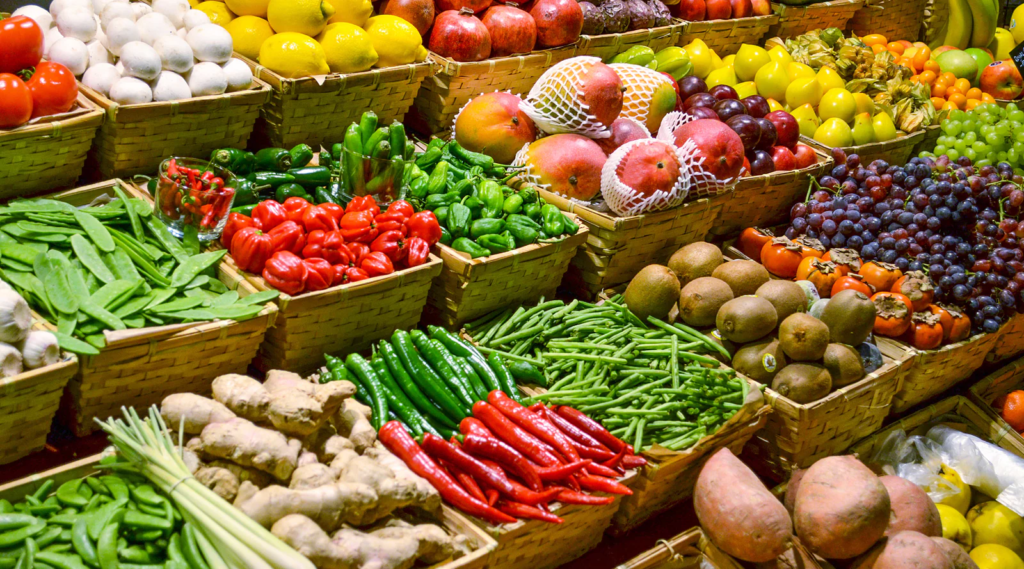
How to Start Foodstuff Business in Nigeria
If you want to know how to start foodstuff business in Nigeria, follow these important steps.
1. Conduct Market Research
Before launching your business, study your local market.
Identify:
- Popular food products in your area
- Customer preferences
- Competitors and pricing
Market research helps you understand the best opportunities in the foodstuff business in Nigeria.
2. Create a Business Plan
A detailed business plan for foodstuff business in Nigeria helps you organize your ideas and prepare for growth.
Your foodstuff business plan should include:
- Business objectives
- Startup capital requirements
- Target market
- Marketing strategies
- Supply chain plans
Many entrepreneurs also prepare a proposal on foodstuff business when seeking investors or loans.
3. Secure Startup Capital
The amount required for starting a foodstuff business depends on the scale of operation.
Costs may include:
- Shop rent
- Initial stock purchase
- Transportation
- Storage equipment
You can start small and gradually expand your business.
4. Find Reliable Suppliers
A successful foodstuff trading business plan depends on reliable supply sources.
You can get food products from:
- Farmers
- Wholesale markets
- Agricultural cooperatives
- Importers
Learning how to get foodstuff for business at the best prices will help maximize profits.
5. Choose a Good Business Location
Location plays a major role in the success of a foodstuff business.
Popular locations include:
- Busy markets
- Residential neighborhoods
- Areas close to restaurants or schools
For example, many entrepreneurs operate foodstuff business in Lagos, foodstuff business in Abuja, and foodstuff business in Port Harcourt due to high population density.
6. Register Your Business
Although many small traders operate informally, registering your business offers advantages such as:
- Legal recognition
- Access to business loans
- Increased credibility
Business registration also helps if you plan to expand into wholesale or export operations.
Read also: Profitable Farming Business Ideas in Nigeria: High-Return Agricultural Ventures
Business Plan for Foodstuff Business
A strong business plan for foodstuff market or business plan for foodstuffs trading helps entrepreneurs organize their ideas and understand how the business will operate. A clear plan also helps when seeking financial support from investors, partners, or banks.
A typical foodstuff business plan in Nigeria should include several key sections.
Executive Summary
This section gives a brief overview of your foodstuff business, including what you plan to sell, your target market, and your main business goals. It should clearly explain the purpose of the business and how it will generate profit.
Market Analysis
Market analysis explains the demand for food products in your chosen location. You should study your competitors, customer needs, and popular food items in the area. For example, areas with large populations may have higher demand for staples like rice, beans, and garri.
Operational Plan
This section describes how the business will operate daily. It includes information about suppliers, transportation, storage, and how products will be sold to customers.
Financial Plan
The financial plan estimates your startup capital, expenses, expected sales, and profit margins. It helps you understand how much money you need to start and how long it may take to recover your investment.
Marketing Strategy
This explains how you plan to promote your business and attract customers. Marketing methods may include social media promotion, word-of-mouth marketing, posters, and special discounts.
A detailed foodstuff business plan in Nigeria increases your chances of success because it provides a clear roadmap for running and growing the business.
Sample Business Plan for a Foodstuff Business
Below is a simple example of a business plan sample for foodstuff business.
Business Name: Fresh Harvest Foodstuff Enterprise
Business Type: Retail and small-scale wholesale foodstuff trading
Location: Port Harcourt, Rivers State
Products to Sell:
- Rice
- Beans
- Garri
- Yam
- Palm oil
- Pepper and vegetables
Target Customers:
- Households
- Restaurants and food vendors
- Small retailers in the neighborhood
Startup Capital (Example Estimate):
- Shop rent: ₦150,000
- Initial foodstuff stock: ₦300,000
- Storage containers and bags: ₦50,000
- Transportation and logistics: ₦40,000
- Marketing and promotions: ₦20,000
Estimated Startup Cost: ₦560,000
Revenue Strategy:
The business will generate income by buying food products in bulk from wholesale markets and reselling them in smaller quantities to customers and retailers.
Marketing Plan:
- Word-of-mouth referrals
- Posters and banners around the market
- Social media promotion
- Discounts for bulk buyers
Expected Profit:
With consistent sales and proper inventory management, the business is expected to generate steady monthly profits as demand for food products remains constant.
This sample shows how a simple foodstuff trading business plan can help entrepreneurs understand their costs, operations, and profit potential before launching their business.
How to Succeed in Foodstuff Business
Learning how to succeed in foodstuff business requires dedication, consistency, and smart strategies. Although the foodstuff business in Nigeria is profitable, success depends on how well the business is managed and how effectively customers are served. Entrepreneurs who focus on quality, customer satisfaction, and proper business practices are more likely to grow and maintain steady profits.
Here are some important tips to help you succeed.
Maintain Quality Products
Customers always prefer fresh and high-quality food items. In the raw foodstuff business in Nigeria, quality plays a major role in building trust and attracting repeat buyers. Ensure that products like rice, beans, garri, pepper, and grains are clean, fresh, and properly stored. Good storage practices help prevent spoilage, pest infestation, and product damage.
Build Strong Customer Relationships
Good customer service is one of the most effective ways to grow a foodstuff business. Treat customers politely, be honest about your products, and maintain fair pricing. When customers trust your business, they are more likely to return and recommend your shop to others.
Buy in Bulk
Buying food products in large quantities directly from farmers or wholesalers can reduce your purchasing cost. This allows you to offer competitive prices while still making good profit. Many successful traders in the wholesale foodstuff business in Nigeria use this strategy to increase their earnings.
Manage Inventory Properly
Effective inventory management helps prevent shortages or excess stock. Keep track of the food items you have in stock and monitor products that sell quickly. Proper inventory management also reduces waste, especially for items that may spoil if stored for too long.
Use Marketing Strategies
Promoting your foodstuff business helps attract more customers and increase sales. Even small businesses can benefit from simple marketing methods.
You can promote your business through:
- Word of mouth recommendations from satisfied customers.
- Posters and banners placed in busy areas.
- Social media marketing on platforms like WhatsApp, Facebook, and Instagram.
- Promotions and discounts to attract new buyers.
Even a simple poster for foodstuff business placed in a busy market or neighborhood can help create awareness and bring in new customers. Consistent promotion and good service will help your business grow steadily over time.
Foodstuff Business vs Boutique Business
Some entrepreneurs compare foodstuff business vs boutique business when deciding which venture to start.
Foodstuff Business
Advantages:
- Constant demand
- Essential products
- Faster sales turnover
Boutique Business
Advantages:
- Higher profit margins per item
- Creative fashion opportunities
However, the foodstuff business in Nigeria is often considered more stable because people must buy food regularly.
Challenges of the Foodstuff Business
Like any other venture, the foodstuff business in Nigeria also comes with certain challenges. Although the business is profitable because food is a daily necessity, traders must learn how to manage these obstacles in order to succeed.
Price Fluctuations
One common challenge in the foodstuff business is unstable prices. The cost of items like rice, beans, and garri can change due to seasonal harvests, transportation costs, or economic factors. These changes may affect profit margins for traders.
Transportation Costs
Many food items are transported from rural farming areas to cities. Rising fuel prices, poor roads, and long travel distances can increase transportation expenses for those running a foodstuff distribution business.
Storage Issues
Proper storage is essential in the raw foodstuff business in Nigeria. Without good storage facilities, products like grains and garri may become damaged by moisture, insects, or rodents.
Spoilage of Perishable Goods
Some food items such as vegetables, fruits, and fresh pepper spoil quickly if not sold on time. This can lead to losses for traders if products are not properly stored or managed.
Despite these challenges, proper planning, good storage practices, and strong supplier relationships can help entrepreneurs run a successful foodstuff business.
Why Proper Planning Matters
Despite these challenges, the foodstuff business remains one of the most stable ventures in Nigeria because food is always in demand. Entrepreneurs who plan carefully and develop good management systems can overcome these obstacles and build successful businesses.
Key strategies that help reduce these risks include:
- Creating a strong business plan for foodstuff business in Nigeria
- Managing inventory carefully
- Developing reliable supplier networks
- Monitoring market trends regularly
With the right approach, entrepreneurs can successfully navigate these challenges and build a thriving foodstuff business that generates steady income over time.
Final Thoughts
The foodstuff business in Nigeria remains one of the most practical and profitable opportunities for entrepreneurs. Because food is a basic necessity, demand remains constant across cities, towns, and rural communities.
Whether you choose retail trading, wholesale supply, distribution, or foodstuff export business in Nigeria, there are many ways to build a successful venture. By following the steps outlined in this guide on how to start foodstuff business in Nigeria, you can establish a stable business that generates consistent income.
With careful planning, a solid foodstuff business plan, and strong customer relationships, entrepreneurs can grow their businesses and achieve long-term success in Nigeria’s thriving food market.