


In an era of information overload and constant distraction, the timeless wisdom of history’s greatest thinkers offers clarity, perspective, and profound insights into the human condition. These aren’t just pretty words—they’re distilled truths from philosophers, scientists, writers, and leaders who spent lifetimes contemplating existence, meaning, and how to live well.
This collection presents 30 intellectually rich, brainy quotes on life that challenge conventional thinking, inspire deeper reflection, and offer practical wisdom for modern living.
The Nature of Existence and Reality
1. “The unexamined life is not worth living.” – Socrates
The Depth: Socrates wasn’t suggesting that unreflective people should die—he was arguing that conscious awareness and critical self-examination are what make life meaningful. Without questioning our beliefs, choices, and assumptions, we merely exist rather than truly live.
Modern Application: In our age of constant distraction, this quote challenges us to regularly pause and reflect: Why do I believe what I believe? Am I living according to my values? Are my daily actions aligned with my deeper purpose?
Practical Exercise: Spend 10 minutes weekly asking: “If I were to die tomorrow, would I be satisfied with how I’m living today?”
2. “We are what we repeatedly do. Excellence, then, is not an act, but a habit.” – Aristotle
The Depth: This challenges the notion that greatness comes from occasional heroic efforts. Instead, Aristotle argues that character and achievement are built through consistent, seemingly mundane daily practices. You become what you practice.
Modern Application: Want to be a writer? Write daily. Want to be kind? Practice small kindnesses consistently. Your identity is shaped by patterns, not one-time events.
Neuroscience Connection: Modern brain research confirms this—repeated behaviors literally rewire neural pathways, making Aristotle’s 2,300-year-old insight scientifically accurate.
3. “Man is condemned to be free; because once thrown into the world, he is responsible for everything he does.” – Jean-Paul Sartre
The Depth: Sartre’s existentialist philosophy argues that humans have no predetermined essence or purpose—we create meaning through our choices. This freedom is terrifying because we can’t blame fate, God, or circumstances; we’re radically responsible for our lives.
Modern Application: Stop waiting for permission, perfect circumstances, or external validation. Your life’s meaning comes from the choices you make today, not from discovering some pre-written script.
The Challenge: If you’re unhappy, unsuccessful, or unfulfilled, Sartre would ask: What choices led here, and what different choices will you make now?
On Meaning and Purpose
4. “He who has a why to live can bear almost any how.” – Friedrich Nietzsche
The Depth: Viktor Frankl, Holocaust survivor, proved this in concentration camps—people with a strong purpose survived horrors that broke others. Purpose provides psychological resilience that exceeds physical or material resources.
Modern Application: Before optimizing your productivity or pursuing success, clarify your “why.” What gives your life meaning? Who are you serving? What legacy matters to you?
Research Backs This: Studies show people with strong life purpose have lower mortality rates, better cognitive function, and greater psychological well-being.
5. “The privilege of a lifetime is to become who you truly are.” – Carl Jung
The Depth: Jung believed most people live inauthentically, conforming to family expectations, social pressures, or ego-driven desires. True psychological health comes from “individuating”—discovering and expressing your authentic self.
Modern Application: Stop performing the person others expect you to be. Ask: If nobody’s opinion mattered, who would I be? What would I do? How would I live?
The Difficult Part: Being yourself often means disappointing others’ expectations, which requires courage that most people never develop.
6. “In the midst of winter, I found there was, within me, an invincible summer.” – Albert Camus
The Depth: Camus, an absurdist philosopher, argued that life is inherently meaningless, yet humans can create meaning through rebellion against meaninglessness. This quote captures his belief in human resilience—even in despair, we possess internal strength.
Modern Application: During your darkest moments—loss, failure, depression—remember that you contain resources you haven’t yet discovered. Adversity reveals inner strength that comfort keeps hidden.
Historical Context: Camus wrote this during the Nazi occupation of France, making it a testament to finding hope in genuinely hopeless circumstances.
On Time, Change, and Impermanence
7. “No man ever steps in the same river twice, for it’s not the same river and he’s not the same man.” – Heraclitus
The Depth: Everything is in constant flux. The river’s water has flowed onward; you’ve changed cellularly and psychologically. This insight predates Buddhist impermanence teachings and modern physics by millennia.
Modern Application: Stop clinging to past identities, relationships, or circumstances. Change isn’t disruption—it’s reality. Embrace becoming rather than being.
Relationship Wisdom: This explains why “getting back to how things were” in relationships fails—both people have changed. Growth requires accepting new realities, not recreating past ones.
8. “The only way to make sense out of change is to plunge into it, move with it, and join the dance.” – Alan Watts
The Depth: Watts, interpreting Eastern philosophy for Western audiences, argued that resisting change creates suffering. Life is inherently dynamic; struggling against this fundamental truth is like fighting gravity—exhausting and futile.
Modern Application: When life changes unexpectedly—job loss, relationship ending, health challenges—ask not “why is this happening to me?” but “what is this teaching me?”
The Practice: Develop comfort with discomfort. Regularly do things that scare you to build adaptability muscles.
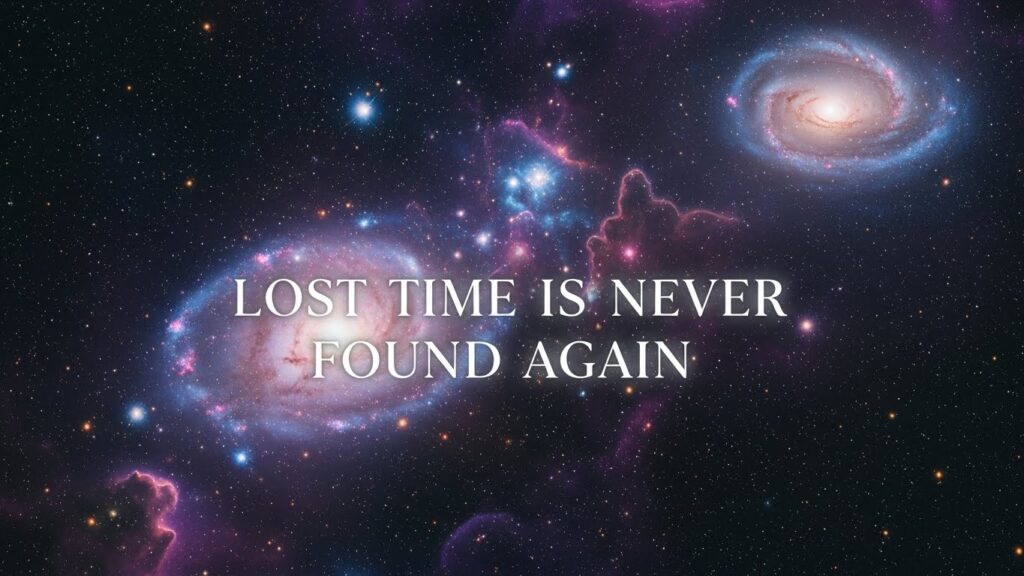
9. “Lost time is never found again.” – Benjamin Franklin
The Depth: This isn’t about productivity obsession—it’s about consciousness of mortality. Time is your only non-renewable resource. Every hour spent is an hour of your life converted into that activity.
Modern Application: Calculate how many hours you’ve spent on social media, watching mediocre TV, or in relationships that drain you. That’s not wasted time—that’s wasted life.
The Uncomfortable Math: If you live 80 years, you have roughly 700,000 hours. How many have you spent consciously versus unconsciously?
On Knowledge, Wisdom, and Truth
10. “I know that I know nothing.” – Socrates
The Depth: True wisdom begins with intellectual humility. Socrates recognized that his advantage over supposedly wise people wasn’t superior knowledge—it was recognizing the limits of his knowledge.
Modern Application: In our age of confident online experts and polarized opinions, intellectual humility is revolutionary. The phrase “I don’t know” or “I might be wrong” indicates deep thinking, not weakness.
Dunning-Kruger Effect: Modern psychology confirms this—incompetent people overestimate their abilities while truly skilled people underestimate theirs.
11. “The more I read, the more I acquire, the more certain I am that I know nothing.” – Voltaire
The Depth: Knowledge expands awareness of ignorance. Beginners feel confident; experts recognize complexity. Each answer reveals ten new questions.
Modern Application: Be suspicious of people with simple answers to complex questions. Depth produces nuance, not certainty.
Career Wisdom: The best leaders say “I don’t know” freely and surround themselves with people who know what they don’t.
12. “An unlearned man who knows himself is more learned than the learned man who knows himself not.” – Persian Proverb
The Depth: Self-knowledge trumps external knowledge. Understanding your biases, triggers, patterns, and limitations is more valuable than accumulating facts about the world.
Modern Application: Before chasing more education, information, or expertise, invest in understanding yourself—your motivations, fears, values, and behavioral patterns.
The Challenge: Most people spend decades learning about everything except themselves.
On Adversity, Struggle, and Growth
13. “That which does not kill us makes us stronger.” – Friedrich Nietzsche
The Depth: Often misunderstood as toxic positivity, Nietzsche meant that suffering integrated properly creates psychological resilience. Trauma can destroy or transform—the difference is how you process it.
Modern Application: Don’t avoid all discomfort. Strategic struggle—difficult conversations, challenging workouts, creative risk-taking—builds capacity.
Important Caveat: This isn’t permission to stay in abusive situations. Some things that don’t kill you can still cause severe harm. Wisdom is knowing which struggles strengthen and which merely damage.
14. “The wound is the place where the Light enters you.” – Rumi
The Depth: Suffering cracks open the ego, creating space for wisdom, compassion, and transformation. Our deepest growth often comes from our greatest pain.
Modern Application: Don’t waste your suffering. What is this pain teaching you? How is it making you more compassionate, wise, or authentic?
Psychological Truth: Many therapists, artists, and humanitarians were shaped by their wounds into people who help others heal.
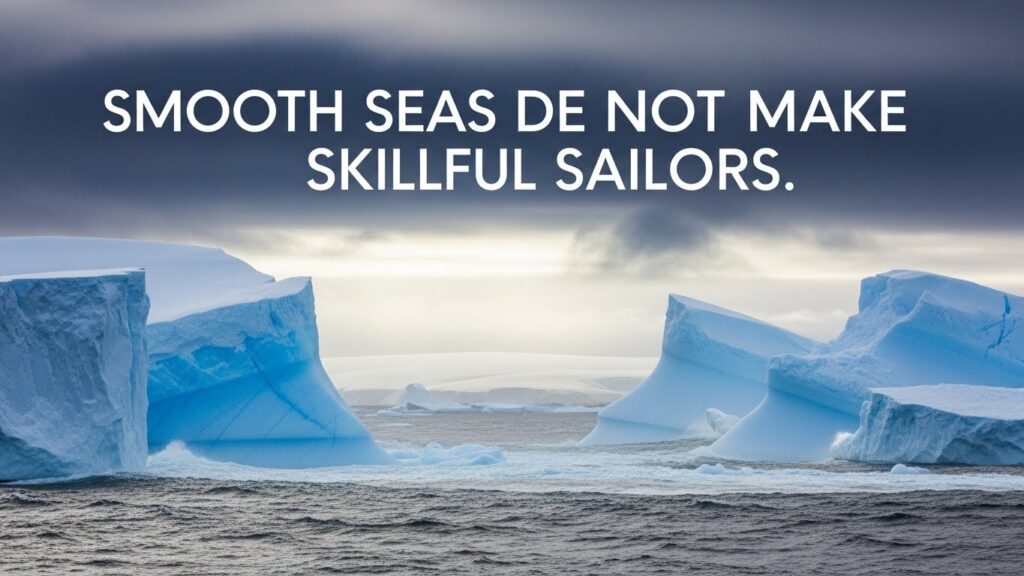
15. “Smooth seas do not make skillful sailors.” – African Proverb
The Depth: Competence develops through challenge, not comfort. Easy circumstances create fragility; difficult ones create resilience.
Modern Application: Stop seeking a life without problems. Seek problems worth solving. The question isn’t “how do I eliminate difficulties?” but “what difficulties am I willing to endure?”
Career Application: The most valuable employees aren’t those who avoid problems but those who solve difficult ones.
On Relationships and Human Nature
16. “Hell is other people.” – Jean-Paul Sartre
The Depth: Often misinterpreted, Sartre didn’t mean people are inherently terrible. He meant that other people’s judgments can trap us in false identities. We become who others think we are, losing authenticity.
Modern Application: Stop performing for others’ approval. Their opinions of you are none of your business—and usually say more about them than you.
The Liberation: When you stop caring what others think, you start living authentically.
17. “Before you diagnose yourself with depression or low self-esteem, first make sure you are not, in fact, just surrounded by assholes.” – William Gibson
The Depth: Context matters enormously. What feels like personal dysfunction might be a healthy response to a toxic environment.
Modern Application: If you consistently feel bad about yourself in certain relationships or environments, the problem might not be you—it might be them.
The Difficult Action: Sometimes self-care means ending relationships or changing environments, not fixing yourself.
18. “We accept the love we think we deserve.” – Stephen Chbosky
The Depth: Self-worth determines relationship standards. People with low self-esteem tolerate mistreatment because it confirms their self-perception.
Modern Application: If you’re in unsatisfying relationships, examine your relationship with yourself first. How you treat yourself sets the standard for how others treat you.
The Work: Healing relationships with others requires healing your relationship with yourself first.
On Action, Choice, and Responsibility
19. “Between stimulus and response, there is a space. In that space is our power to choose our response.” – Viktor Frankl
The Depth: You can’t control what happens to you, but you can control your interpretation and response. This space—between what happens and how you react—contains your freedom.
Modern Application: When triggered, angry, or reactive, pause. That pause is where power lives. Reaction is automatic; response is conscious.
Neuroscience Agrees: The prefrontal cortex (reasoning) can override the amygdala (emotion) when you create space through breathing, pausing, or reframing.
20. “Action may not always bring happiness, but there is no happiness without action.” – Benjamin Disraeli
The Depth: Happiness isn’t passive—it’s generated through engagement with life. Waiting, planning, or hoping creates nothing; only action produces results.
Modern Application: Stop overthinking and start experimenting. Imperfect action beats perfect inaction every time.
Psychology Confirms: Studies show that taking action—even unsuccessful action—improves mood more than passive rumination.
21. “The best time to plant a tree was 20 years ago. The second best time is now.” – Chinese Proverb
The Depth: Regret about past inaction is pointless. You can’t change history, but you can change trajectory starting now.
Modern Application: Whatever you wish you’d started earlier—learning a language, investing, building relationships, developing skills—start today. In 20 years, you’ll be glad you did.
The Mathematics: Starting late is infinitely better than never starting.
On Happiness, Contentment, and Desire
22. “Happiness is not something ready-made. It comes from your own actions.” – Dalai Lama
The Depth: Happiness isn’t found, earned, or given—it’s generated through choices, practices, and perspectives. External circumstances contribute less than internal practices.
Modern Application: Stop seeking happiness in achievements, purchases, or relationships. Build it through daily practices: gratitude, service, connection, growth, and presence.
Research Shows: Sustainable happiness comes 40% from intentional activities, 50% from genetic set point, and only 10% from life circumstances.
23. “We suffer more often in imagination than in reality.” – Seneca
The Depth: Most feared outcomes never occur. Anxiety lives in imagined futures; reality is almost never as bad as anticipated.
Modern Application: Notice how much mental suffering comes from “what if” scenarios versus actual present-moment pain. Most anxiety is optional.
The Practice: When anxious, ask: “What’s actually happening right now?” Usually, this exact moment is manageable.
24. “Wealth consists not in having great possessions, but in having few wants.” – Epictetus
The Depth: Contentment comes from managing desire, not acquiring more. Insatiable wanting creates perpetual dissatisfaction regardless of possessions.
Modern Application: Before buying more, wanting more, or achieving more, practice wanting less. Reduce desires instead of increasing acquisitions.
The Paradox: People with fewer wants are richer than people with greater possessions but insatiable desires.
On Death, Legacy, and What Matters
25. “The fear of death follows from the fear of life. A man who lives fully is prepared to die at any time.” – Mark Twain
The Depth: Death anxiety often reflects life anxiety—fear that you’re not living meaningfully. Living fully removes death’s sting because you’ve truly lived.
Modern Application: Live so that death, whenever it comes, finds you having truly lived. Don’t postpone meaning until “someday.”
The Question: If you died today, would you be satisfied with how you lived?
26. “It is not death that a man should fear, but he should fear never beginning to live.” – Marcus Aurelius
The Depth: The real tragedy isn’t dying—it’s living safely, timidly, inauthentically, and then dying without having truly lived.
Modern Application: Risk failure, rejection, discomfort, and embarrassment. The alternative—safety-driven pseudo-living—is worse.
The Calculation: On your deathbed, you’ll regret risks not taken more than failures from trying.
27. “Life is not a problem to be solved, but a reality to be experienced.” – Søren Kierkegaard
The Depth: Western culture treats life as problem requiring solution—the right career, relationship, strategy. Kierkegaard argues this is misguided; life is meant to be lived, not solved.
Modern Application: Stop constantly optimizing and start occasionally experiencing. Not everything requires improvement—some things just need presence.
The Permission: It’s okay to simply be sometimes, without producing, improving, or achieving.
On Self-Knowledge and Authenticity
28. “Knowing yourself is the beginning of all wisdom.” – Aristotle
The Depth: External knowledge without self-knowledge creates sophisticated fools—people who understand the world but not themselves.
Modern Application: Invest as much time understanding your patterns, triggers, values, and motivations as you do learning external skills.
The Practice: Regular journaling, therapy, meditation, or honest conversations with trusted friends build self-knowledge.
29. “To be yourself in a world that is constantly trying to make you something else is the greatest accomplishment.” – Ralph Waldo Emerson
The Depth: Society, family, media, and peers constantly pressure conformity. Authentic individuality requires continuous resistance to these forces.
Modern Application: Each decision to please others at self’s expense erodes authenticity. Each decision honoring yourself despite pressure builds it.
The Cost: Authenticity often means disappointing people who prefer your inauthentic version.
30. “Life can only be understood backwards; but it must be lived forwards.” – Søren Kierkegaard
The Depth: We make decisions without knowing outcomes, then understand their significance only in retrospect. Life requires acting with incomplete information.
Modern Application: Stop waiting for certainty before acting. Make best-guess decisions, learn from outcomes, adjust, and continue. Clarity comes through action, not contemplation.
The Comfort: Everyone is figuring it out as they go. Nobody has complete understanding until hindsight provides it.
How to Use These Quotes for Personal Growth
Daily Practice: Quote Meditation
Morning Routine:
- Choose one quote
- Read it three times slowly
- Journal for 5 minutes: What does this mean? How does it apply to my life?
- Set intention to embody this wisdom today
Weekly Deep Dive:
- Pick one quote to contemplate deeply all week
- Research the philosopher’s broader context
- Discuss with friends or journal extensively
- Identify specific life changes this wisdom suggests
Creating Your Personal Philosophy
Exercise: Build Your Wisdom Framework
- Select 5-7 quotes that most resonate
- Identify common themes
- Write your personal philosophy statement based on these insights
- Review monthly: Are you living according to this philosophy?
Applying Ancient Wisdom to Modern Problems
Decision-Making
When facing major choices, ask:
- What would Socrates say? (Have I examined this thoroughly?)
- What would Aristotle say? (What habit does this create?)
- What would Frankl say? (Does this serve my deeper purpose?)
Relationships
- Sartre: Am I being authentic or performing?
- Gibson: Is this environment toxic or am I?
- Chbosky: Do I deserve better treatment?
Career
- Nietzsche: What’s my “why” that makes any “how” bearable?
- Franklin: Is this worth my irreplaceable time?
- Disraeli: Am I acting or just planning?
Personal Growth
- Jung: Am I becoming who I truly am?
- Aristotle: What am I practicing daily?
- Emerson: Am I being myself or conforming?
Why These Quotes Endure
These aren’t just inspirational platitudes—they’re distilled truths from people who spent lifetimes contemplating existence. They endure because they identify universal human experiences and offer genuine insight, not comfortable lies.
What Makes a Quote “Brainy“:
- Depth: Reveals non-obvious truth
- Universality: Applies across cultures and eras
- Practicality: Offers actionable wisdom
- Challenge: Disrupts conventional thinking
- Timelessness: Remains relevant despite changing circumstances
Conclusion: From Knowledge to Wisdom
Reading quotes is easy. Understanding them deeply takes thought. Embodying their wisdom transforms life.
These 30 quotes represent thousands of years of human contemplation on how to live well. They offer no easy answers—wisdom never does. Instead, they provide frameworks for thinking more deeply about meaning, purpose, authenticity, and how to navigate the brief, precious, confusing experience of being human.
Your Next Step:
Choose one quote. Not the prettiest or most shareable—the one that makes you most uncomfortable. That discomfort indicates it’s touching something true but unexamined in your life.
Sit with it. Write about it. Talk about it. Most importantly, let it change how you live.
Because that’s the difference between knowing and wisdom: knowledge lives in the head, wisdom changes behavior. Get more quotes like this on Queposts.