

The global events industry is worth hundreds of billions of dollars and continues to expand as individuals, brands, and organizations invest more in experiences that bring people together. In Nigeria, the demand for professional event planners has grown steadily alongside urbanization, social media culture, and the rise of destination weddings, corporate activations, and milestone celebrations. From weddings and birthdays to conferences and product launches, events have become essential social and business touchpoints.
Despite this growth, many successful event planners did not begin with formal training. They started with organizational skills, attention to detail, and a willingness to learn on the job. If you enjoy coordinating activities, solving problems under pressure, and bringing ideas to life, event planning is a business you can start even without prior experience.
This beginner’s guide explains how to launch an event planning business from scratch, develop credibility, attract clients, and build a sustainable brand.
What Does an Event Planner Do?
An event planner is responsible for organizing and coordinating all aspects of an event from concept to execution. This includes budgeting, venue selection, vendor coordination, logistics management, scheduling, décor planning, guest experience, and on-site supervision.
Events planners may specialize in social events such as weddings and birthdays, corporate functions like conferences and product launches, or community events including fundraisers and festivals.
At its core, event planning is project management combined with creativity and customer service.

Why Event Planning Is a Good Business
Event planning has a relatively low barrier to entry compared to many other service businesses. You do not need expensive equipment to begin, and you can start part-time while building experience.
Key advantages include:
- Low startup costs – You can begin with a phone, internet access, and basic branding skills.
- High demand – Celebrations and corporate events occur year-round.
- Flexible specialization – You can focus on weddings, corporate events, or niche gatherings.
- Scalable income – As your reputation grows, you can charge higher fees and manage larger events.
- Referral-driven growth – Satisfied clients often bring new customers.
Skills needed to start your event planning business (Even Without Experience)
You don’t need formal training to begin event planning. Many of the abilities required are transferable skills you may already use in daily life, school activities, volunteer work, or social gatherings. If you have ever organized a party, there’s high chance that you’ve already explored these skills. Developing and refining these skills will help you deliver well-organized, memorable, and professional events.
- Strong Organizational Skills
Event planning involves coordinating multiple moving parts at once; schedules, vendors, budgets, and guest arrangements. Being organized helps you create timelines, manage checklists, and ensure nothing is forgotten before, during, or after the event.
- Effective Communication Skills
Clear communication is essential when dealing with clients, vendors, venues, and team members. You must be able to understand client expectations, explain ideas clearly, negotiate services, and ensure everyone involved understands their responsibilities.
- Time Management Ability
Events run on strict schedules. You need to manage deadlines for bookings, payments, deliveries, and setup times while ensuring everything is completed before the event begins.
- Problem-Solving Skills
Unexpected issues are common; vendors arriving late, weather changes, power failures, or missing supplies. A good event planner remains calm, thinks quickly, and implements practical solutions without disrupting the event.
- Creativity and Design Thinking
Creativity helps you design memorable themes, décor concepts, seating arrangements, and event experiences. Even simple events can stand out when creative ideas are applied thoughtfully and within budget.
- Attention to Detail
Small details can determine whether an event feels polished or poorly executed. Checking seating arrangements, spelling of names, sound quality, décor placement, and timing ensures a seamless experience for guests.
- Budget Management Skills
Clients often have specific budgets. Being able to allocate funds wisely, compare vendor prices, and avoid unnecessary expenses ensures you deliver value while staying within financial limits.
- Negotiation Skills
Event planners frequently negotiate with vendors for better pricing, package deals, or added services. Strong negotiation skills help you reduce costs and maximize value for your clients.
- Interpersonal and People Skills
You will interact with diverse personalities; demanding clients, busy vendors, and large guest groups. Being friendly, patient, and professional helps build trust and maintain positive relationships.
- Leadership and Team Coordination
During events, you may supervise decorators, ushers, caterers, and technical teams. Leadership skills help you delegate tasks, maintain order, and ensure everyone works toward a common goal.
- Stress Management and Emotional Control
Event environments can be fast-paced and stressful. Staying composed under pressure helps you make better decisions and maintain professionalism throughout the event.
- Basic Technical Skills
Familiarity with email communication, spreadsheets, budgeting apps, and social media can help with planning, client communication, and promotion of your services.
- Adaptability and Flexibility
Event planning rarely goes exactly as planned. Being flexible allows you to adjust schedules, layouts, or activities quickly without compromising the event experience.
- Customer Service Orientation
A client-centered mindset ensures you prioritize client satisfaction, listen to feedback, and deliver experiences that exceed expectations.
- Transferable Experience from Everyday Activities
If you have coordinated a church program, school function, birthday party, office meeting, or community gathering, you already possess relevant experience. These real-life experiences demonstrate planning, coordination, and teamwork abilities essential in event planning.
Developing these skills will help you build confidence and credibility, even without formal experience. With practice and dedication, you can transform these abilities into a successful event planning career.
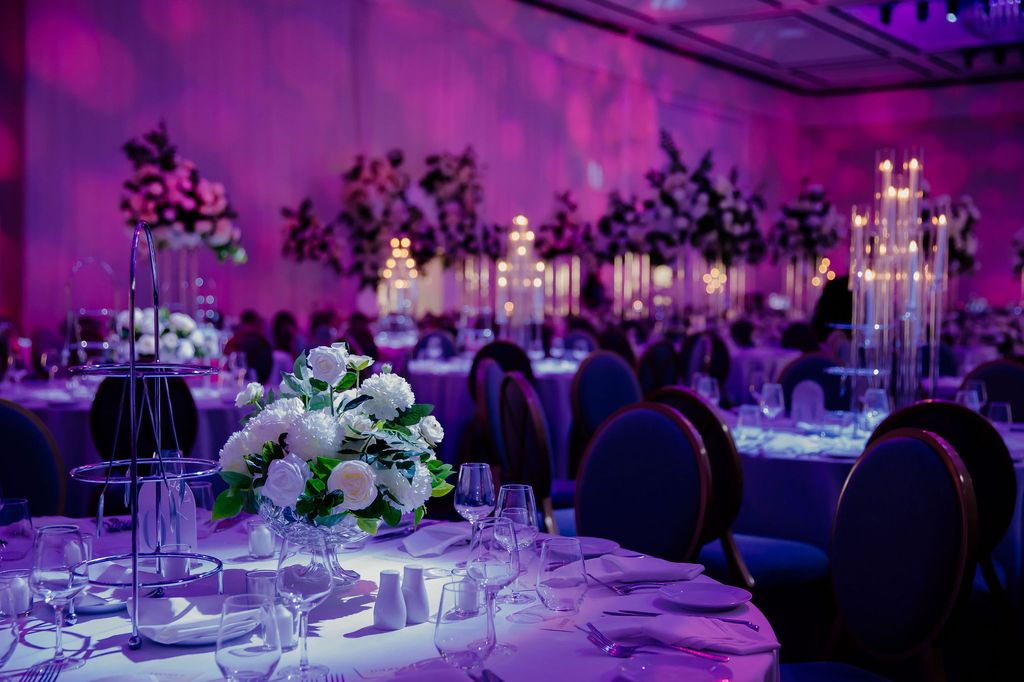
How to Start an Event Planning Business as a beginner
Now that you know all the skills to follow, here the steps involved in starting an event planning business as a beginner.
Step 1: Understand the Event Planning Market
Before starting, study the types of events common in your area.
In Nigeria, high-demand events include:
- Weddings and engagement ceremonies
- Birthday parties and anniversaries
- Corporate seminars and product launches
- Religious events
- Graduation celebrations
- Social gatherings and themed parties
Understanding local demand helps you position your services strategically.
Step 2: Choose a Niche (Optional but Helpful)
While some planners offer full-service planning, beginners benefit from starting with a niche.
You might focus on:
- Wedding planning
- Birthday and social events
- Corporate meetings and seminars
- Surprise proposals and intimate events
- Budget-friendly celebrations
Specializing allows you to build expertise faster and market yourself more clearly.
Step 3: Learn the Basics Quickly
You do not need a degree, but you do need knowledge.
You can learn through:
- Free YouTube tutorials
- Event planning blogs and podcasts
- Online short courses
- Volunteering at events
- Assisting experienced planners
Pay attention to budgeting, timelines, vendor management, and contingency planning.
Step 4: Start Small and Build Experience
Experience builds credibility. Offer to plan small events for friends, family members, religious organizations, or community groups. Treat these opportunities professionally, even if you are not paid.
Document your work through photos and videos. These will form the foundation of your portfolio.
Step 5: Create a Simple Business Identity
You do not need an elaborate brand to begin, but you should appear professional. Choose a memorable business name. Create a simple logo using free design tools. Set up a business phone line and professional email address.
Open social media pages on platforms like Instagram, Facebook, and TikTok, where visual content attracts clients.
Step 6: Build Your Vendor Network
Event planners depend heavily on vendors. Building relationships early gives you an advantage.
Key vendors include:
- Caterers
- Decorators
- Photographers and videographers
- DJs and live bands
- MCs and hosts
- Rental companies (chairs, canopies, lighting)
- Makeup artists and stylists
- Printers and souvenir suppliers
Negotiate fair pricing and maintain professionalism. Reliable vendors enhance your reputation.
Step 7: Develop a Portfolio
A portfolio demonstrates your capability.
Include:
- Event photos
- Before-and-after décor setups
- Client testimonials
- Event themes and setups
- Short event highlight videos
Even small events can look impressive when documented properly.
Step 8: Price Your Services Correctly
Beginners often underprice services. While competitive pricing helps you enter the market, ensure your fees reflect your time, coordination efforts, and expertise.
Event planners typically charge:
- A flat planning fee
- A percentage of the event budget
- A per-service coordination fee
As you gain experience and demand increases, adjust pricing accordingly.
Step 9: Promote Your Event Planning Business
Marketing is essential for growth. Effective strategies include:
- Posting high-quality event photos regularly on social media.
- Sharing behind-the-scenes videos builds trust.
- Encouraging satisfied clients to refer you to friends expands your reach.
- You can also partner with photographers and vendors to cross-promote services.
Consistency builds visibility and credibility.
Step 10: Deliver Exceptional Customer Experience
Event planning is a relationship-driven business. Clients trust you with important life moments.
Listen carefully to client needs. Communicate clearly and frequently. Remain calm under pressure. Solve problems discreetly.
Satisfied clients become repeat customers and powerful ambassadors for your brand.
Top 10 Event Planners in Nigeria
As you develop your skills as an aspiring event planner, it helps to learn from professionals who have set high standards in the industry. Nigeria’s event planning space includes both outstanding and less professional operators, so choosing the right role models is essential. Studying planners known for creativity, professionalism, and consistent service delivery can shape your approach and work ethic. Below is a detailed look at ten of the top event planners in Nigeria, recognized for their excellence and industry impact.
1. Zapphaire Events
Founded by Funke Bucknor-Obruthe, Zapphaire Events is one of Nigeria’s most prestigious luxury event planning companies. Known for high-profile weddings, corporate events, and celebrity functions, Zapphaire combines innovative décor with meticulous attention to detail. Their signature style blends elegance and modern aesthetics, making them a top choice for clients seeking upscale and unforgettable events.
2. 2706 Events
Led by Adeola Okeshola, 2706 Events is renowned for minimalist yet luxurious wedding designs. They specialize in creating intimate and grand celebrations alike, paying close attention to themes, décor, and overall guest experience. Their ability to execute both destination weddings and large-scale events has earned them a loyal client base.
3. BusyBee Events
BusyBee Events, founded by Bisi Sotunde, focuses on creativity, strategic planning, and flawless logistics. They handle a wide range of events, from weddings and birthday parties to corporate functions. BusyBee is praised for their ability to transform simple venues into stunning spaces that reflect the client’s vision while maintaining efficiency in operations.
4. Eventful Limited
Eventful Limited, led by Yewande Zaccheaus, is celebrated for handling large-scale corporate events, brand activations, and social gatherings. They combine creativity with corporate professionalism, ensuring that every event runs smoothly while leaving a lasting impression. Their expertise in managing complex logistics and coordinating multiple vendors sets them apart in the corporate event space.
5. TrendyBE Events
TrendyBE, managed by Bisola Trendybee, is a vibrant and detail-oriented event planning company. They excel in weddings and social celebrations, consistently delivering visually stunning events with unique themes. TrendyBE is known for personalizing every aspect of an event, from décor to entertainment, to suit the client’s style and preferences.
6. Jasmine’s Nest
Jasmine’s Nest specializes in bespoke event production and stylish décor. With a focus on elegance and luxury, they handle both social and corporate events. Their signature approach combines creativity, high-quality materials, and professional coordination, making events seamless and visually impressive.
7. Posh Events
Posh Events provides comprehensive services, including planning, décor, and catering. They are particularly recognized for transforming ordinary spaces into luxurious, Instagram-worthy venues. Their attention to detail and ability to manage every aspect of an event make them a popular choice among high-end clients in Lagos and beyond.
8. Etal Events
Etal Events focuses on premium weddings and luxury experiences. Their approach is to create unforgettable events that are both elegant and highly coordinated. They work closely with clients to ensure every detail, from seating arrangements to décor and entertainment, aligns perfectly with the client’s vision.
9. Grandstyle Events
With over a decade of experience, Grandstyle Events handles weddings, corporate functions, and milestone celebrations across Nigeria. Their strength lies in blending client vision with practical execution, ensuring events run smoothly. Grandstyle is particularly known for its professionalism and ability to manage high-pressure situations without compromising quality.
10. Pholard Events
Pholard Events is a Lagos-based company recognized for stylish and precise execution of weddings and social events. They are praised for their creativity, logistical efficiency, and client-focused approach. Pholard Events consistently delivers memorable experiences while maintaining professionalism in every project.
Common Challenges Beginners Face
- New planners often encounter budget constraints, demanding clients, vendor delays, and last-minute changes. Flexibility and contingency planning help manage these issues.
- Develop backup plans for weather disruptions, vendor cancellations, or equipment failures.
- Preparedness distinguishes professionals from amateurs.
How Much Does It Cost to Start?
You can start an event planning business with minimal capital of 200,000 naira. Initial expenses may include branding materials, internet access, transportation, and marketing. If you already own a smartphone and internet access, startup costs remain low.
As your business grows, you may invest in a website, professional branding, and business registration.
How Much Can You Earn?
Earnings vary based on event size, location, and specialization. Small events may yield modest fees, while weddings and corporate events can generate significantly higher income. Experienced planners handling large events can earn substantial profits per project.
Income grows with reputation, referrals, and service expansion.
Tips for Long-Term Success
- Remain professional in all interactions.
- Keep detailed records and contracts for clarity.
- Stay updated on décor trends and event styles.
- Invest in continuous learning and skills improvement.
- Most importantly, protect your reputation. In event planning, trust and reliability are your greatest assets.
Final Thoughts
Starting an event planning business without experience is entirely possible. With organization, dedication, and a commitment to excellence, beginners can build thriving businesses from small beginnings.
Events mark life’s most meaningful moments. By helping clients celebrate, connect, and create memories, you provide a service that will always be in demand.
If you are passionate about coordination, creativity, and bringing ideas to life, event planning offers a rewarding path into entrepreneurship.